News
John Malkovich cancels Israel trip over fabricated "thrilled to return" and "solidarity" quote
John Malkovich has pulled out of a 2027 performance in Tel Aviv after a PR firm fabricated a quote that painted him as “thrilled to return” and “solidarity‑laden” with Israel.
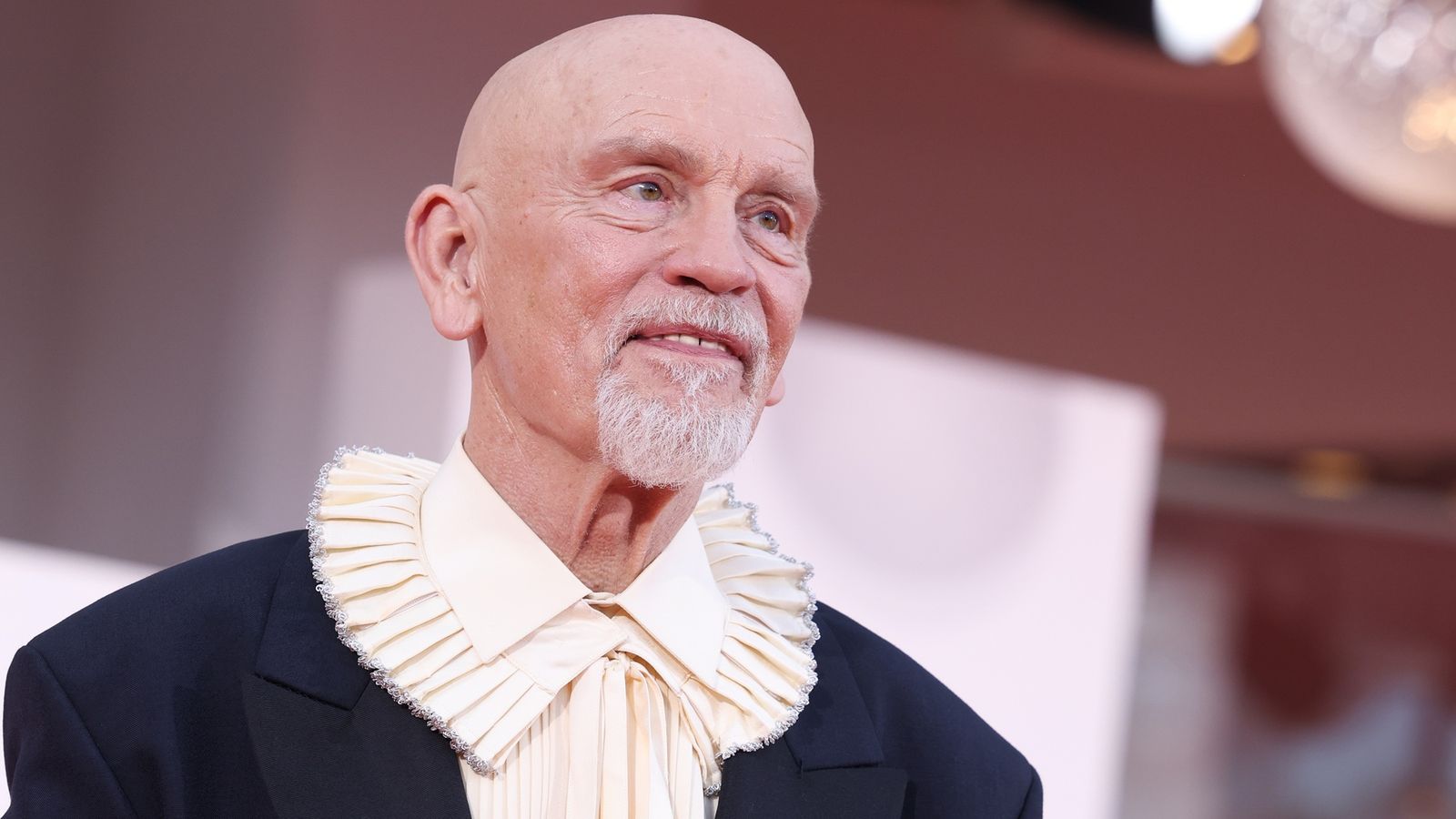
John Malkovich has pulled out of a 2027 performance in Tel Aviv after a PR firm fabricated a quote that painted him as “thrilled to return” and “solidarity‑laden” with Israel. The actor’s decision to cancel the showoriginally scheduled for the Charles Bronfman Auditoriumunderscores how a single misstep in media management can ripple into a public relations nightmare, even for a veteran star.
A press release released on September 5 by an Israeli promoter’s PR company claimed Malkovich had said he was “thrilled to return to Israel” and eager to meet “the warm Israeli audience once again, to whom I feel a strong closeness and solidarity.” The quote appeared in an article in The Jerusalem Post. When Malkovich learned of the misattribution through The Hollywood Reporter, he immediately declared the statements unapproved and cancelled the Tel Aviv performance.
The PR firm later admitted the error, apologising for “incorrectly” attributing the quotes and for not consulting the actor before publishing. Their statement was a textbook acknowledgement of a misstep that could have been avoided with a simple fact‑check.
Malkovich’s response was more than a simple apology. He wrote that his appearances across the globe “do not constitute approval of said country’s policies.” By drawing a line between artistic engagement and political endorsement, he positioned himself as a cultural ambassador rather than a political actor. This distinction is crucial for artists who perform in politically sensitive regions; it protects their brand while allowing them to keep their audiences.
The actor’s decision to cancel, however, signals a willingness to protect that boundary. If he had gone on stage, audiences might have inferred that he endorsed Israel’s political stance, a dangerous assumption for a figure whose career spans multiple cultures and ideologies. The cancellation, therefore, was a calculated risk: lose a performance, but preserve integrity.
This incident is not isolated. Creators worldwideespecially those from the African diasporaoften grapple with how their words are framed by local promoters or media houses. A single misquoted line can shift public perception, inviting backlash or, worse, aligning the artist with a contentious political narrative. In the age of instant social media, the margin for error shrinks to a few hours.
For Nigerian and other African artists touring abroad, the lesson is clear: always vet any press releases, and insist on a review clause. A PR firm’s enthusiasm to craft a “story” must never override an artist’s voice. The fallout from Malkovich’s cancellation could ripple into future bookings, as promoters may view the venue as a higher‑risk environment.
The obvious story is that Malkovich cancelled because of a fabricated quote. Yet the underlying issue is deeper: the power dynamics between artists, promoters, and media. In many cases, promoters wield significant influence over how an artist’s message is presented, especially in regions where the media is tightly controlled. When a PR firm drafts a quote without consent, it isn’t merely a mistakeit’s a form of manipulation that can steer public opinion.
Moreover, the incident highlights how the global entertainment industry still operates on a patchwork of local regulations and cultural sensitivities. While Hollywood has its own set of protocols, the Israeli marketlike many othershas its own expectations around political neutrality. Artists who ignore these nuances risk alienating audiences or, as in Malkovich’s case, losing a performance.
I predict that within the next year, major artists will begin to demand explicit clauses in their contracts that forbid the use of their words without prior approval. This will be especially true for tours that cross political borders. The Malkovich episode will serve as a cautionary tale, prompting agencies to adopt stricter verification processes. In turn, audiences will become more discerning, questioning the authenticity of press releases and seeking direct confirmation from artists.
John Malkovich’s cancellation is a reminder that even the most seasoned stars are vulnerable to the whims of poorly managed PR. For creators worldwideparticularly those navigating diverse cultural landscapesthis story is a call to arm themselves with rigorous contractual safeguards and a keen awareness of the political currents that can turn a simple quote into a career‑shaping controversy.