News
iPhone 18 Pro: Whats new with the cameras
The first light of the September event fell on a row of sleek, black iPhones that gleamed under the stage lights.
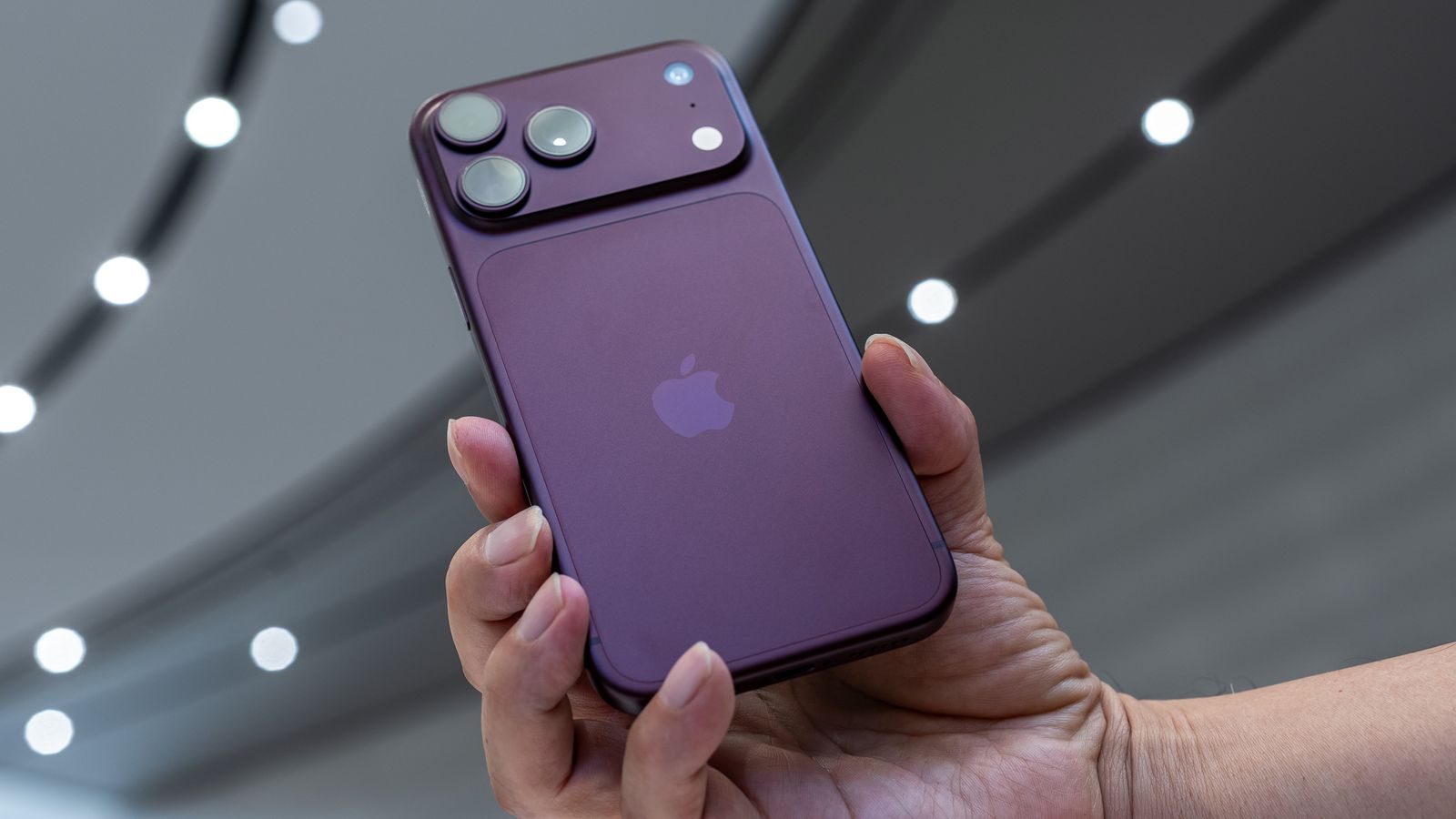
The first light of the September event fell on a row of sleek, black iPhones that gleamed under the stage lights. As the audience watched a montage of cinematic scenesshadows dancing across a bustling Lagos market, a quiet sunrise over the AtlanticApple’s new iPhone 18 Pro and Pro Max stepped into the spotlight, not as a gadget but as a camera. For the first time ever, the device sports a genuine variable aperture, a feature that feels like a nod to the DSLR enthusiasts who have long dreamed of a phone that can “take the camera out of the phone.”
The variable aperture is not just a marketing buzzword. It lets the lens open and close like a camera shutter, adjusting how much light reaches the sensor. In practice, this means a clearer portrait in a dimly lit bar or a sharper landscape shot under a blazing noon sun. Apple pairs this hardware upgrade with a suite of manual controls that put the photographer back in the driver’s seat.
The new Pro controls panel slides into the Camera app like a hidden drawer. It reveals the aperture setting, shutter speed, and white balancethree pillars that define every photograph. Shutter speed, for instance, dictates whether a bustling street scene freezes into a single frame or blurs into a streak of motion. White balance ensures that the white of a wedding dress stays true under the warm glow of a chandelier. A live histogram, a small graph that plots exposure, offers instant feedback: a graph clumped on the left signals a dark image, while one packed on the right warns of overexposure.
Beyond stills, Apple has revamped its computational imaging pipeline. The software now merges exposures, reduces noise, and sharpens detail in a more subtle, low‑key way. Photographic Styles, the tool that lets users apply a consistent color mood, now includes texture and grain controls, giving creators more room to sculpt the feel of their images. On the video front, Cinematic effects can be applied after recording to footage captured at up to 60 fps, and time‑lapse videos now support 4K and Dolby Vision.
The overarching theme of this overhaul is authenticity. Apple is no longer content with the “auto‑everything” approach that has dominated smartphones for years. By giving users granular control, the company is acknowledging that photography is both an art and a science, and that the tools should serve the creator’s vision rather than dictate it. The variable aperture, in particular, signals a move toward hardware that can adapt to real‑world lighting conditions without relying solely on software tricks.
Variable aperture isn’t new to the smartphone arena; Samsung’s Galaxy S9 and S10 carried the feature before quietly dropping it. Whether Apple will keep this hardware long‑term remains to be seen, but the current package feels like a decisive step toward bridging the gap between mobile and professional photography. As creators, we’re watching closely, ready to test the limits of this new “entry‑level DSLR” that can still send a text while it snaps a portrait.
In the end, Apple’s camera revamp is less about adding bells and whistles and more about empowering the storyteller. The next time you pick up an iPhone 18 Pro, you’ll find yourself in the role of a director, adjusting aperture, shutter, and white balance to capture the world exactly as you see it. The future of mobile photography may very well hinge on how well these tools translate the photographer’s intent into pixelated reality.