News
Scientists knew Mercury was shrinking. They didnt know the true extent
Mercury, the tiniest planet in our solar system, has been quietly shrinking for 4.5 billion years. The new study shows it has lost up to 14.
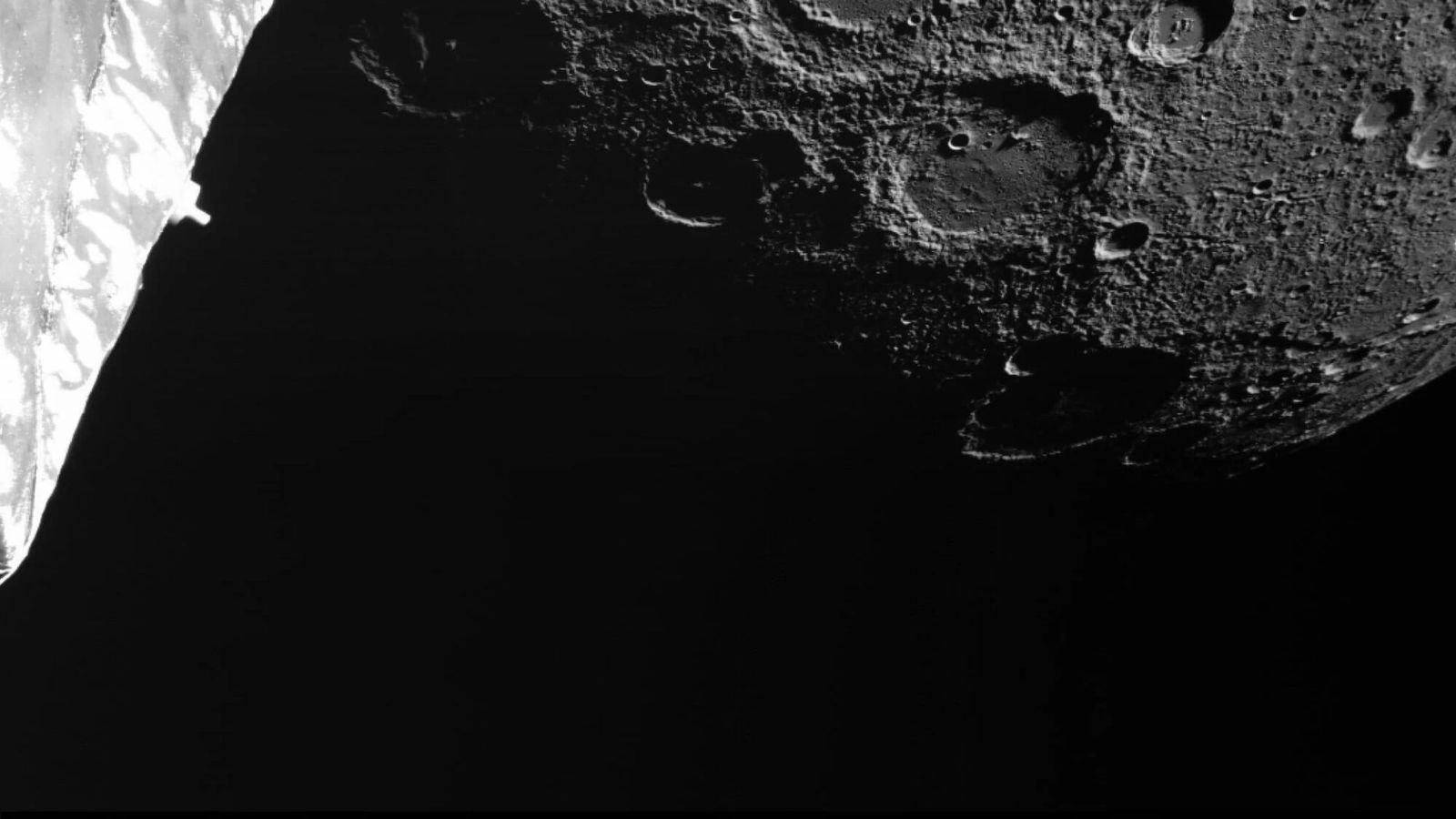
Mercury, the tiniest planet in our solar system, has been quietly shrinking for 4.5 billion years. The new study shows it has lost up to 14.5 miles of diameter, a 30 percent contraction that dwarfs previous estimates. For the planet’s inhabitants, the rocks, the dust, the impact ejecta, this means a world that has been steadily tightening its grip on heat, reshaping its surface and, perhaps, its destiny.
Mercury’s iron core cools as it radiates heat into space. As the core contracts, the surrounding silicate mantle follows suit, causing the planet’s overall size to shrink. Like a grape left in the sun, the surface cracks and buckles, forming cliffs and ridges. The study quantified this process, revealing that the planet’s diameter has thinned by 14.5 miles, a figure that might seem modest until you remember Mercury is only about 3,000 miles wide. The contraction is not a subtle wobble; it is a monumental reshaping that has gone unnoticed for decades because the planet’s rough terrain hides the true extent of the damage.
A key insight from the research is that Mercury’s rugged regions, the very places we would expect to see the most visible wrinkles, actually contain the fewest visible tectonic scars. Impact basins, such as the massive Rachmaninoff crater, are blanketed by thick layers of debris. These layers mask the underlying cracks, making the surface appear smoother than it truly is. By mapping surface roughness against contraction structures, the team discovered that the hidden debris hides a larger amount of shrinkage than the visible tectonic record alone suggests. In other words, the planet’s scars are buried under a blanket of shattered rock, and the true story only emerges when we look beneath the surface.
Before this study, estimates of Mercury’s contraction were at odds with the physics of planetary cooling. The discrepancy left scientists uneasy about their understanding of how planets dissipate heat over billions of years. By correcting the math, the new findings bring observations and theory into alignment. The researchers now have a clearer picture of Mercury’s original temperature and the cooling rate that has shaped its geology. This breakthrough may also inform models of other rocky worlds, from exoplanets to Earth’s own early history.
If a planet as small and hot as Mercury can shrink so dramatically, what does that say about larger bodies? The study suggests that cooling and contraction are fundamental processes that may be more pronounced in smaller, iron‑rich planets. It also raises questions about how impact ejecta can conceal geological history, a factor that could skew our interpretation of other planetary surfaces. Future missions that can probe beneath the regolith, perhaps with ground‑penetrating radar or seismic instruments, will be essential to test these ideas.
Given the success of this surface‑roughness approach, I predict that upcoming missions to the Moon, Mars, and even icy moons will adopt similar techniques to uncover hidden tectonic activity. By combining high‑resolution topography with subsurface imaging, we will likely discover that many bodies we thought were geologically quiescent are, in fact, quietly contracting or expanding beneath their dusty exteriors.
The revelation that Mercury has shrunk by a third of its diameter is more than a numerical curiosity; it is a reminder that even the smallest worlds are dynamic, constantly reshaping themselves in ways we are only beginning to understand. As we refine our tools and models, the hidden scars of the solar system’s rocky bodies will finally come to light.