Movies
The ending of 'The Gentlemen' season two explained: who dies in the finale?
The Gentlemen’s second season closes with a brutal twist that leaves the audience breathing in a mix of shock and grim satisfaction.
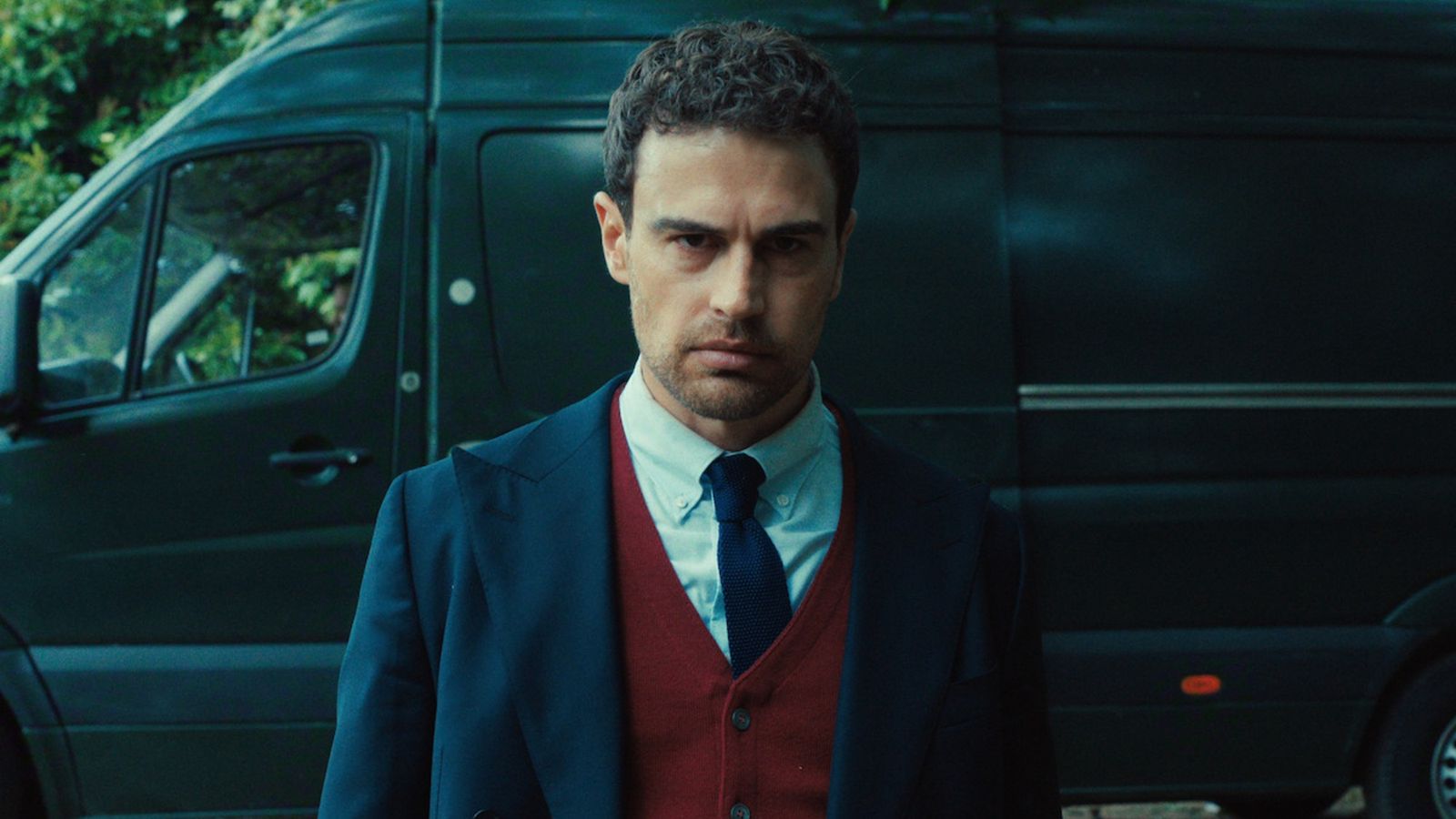
The Gentlemen’s second season closes with a brutal twist that leaves the audience breathing in a mix of shock and grim satisfaction. Eddie Horniman, the charismatic criminal mastermind played by Theo James, finds his empire crumbling when his wife Bella (Benedetta Porcaroli) is murdered. The death is not a random act of violence but a calculated strike by two men who have long harboured grudges against Eddie: his own brother Freddy (Daniel Ings) and the vengeful John The Gospel Dixon (Pearce Quigley). The finale’s climax is a chaotic showdown that culminates in the death of Freddy, a moment that underscores the series’ obsession with loyalty, betrayal and the price of power.
Eddie’s strategy in the finale is as audacious as it is desperate. After discovering that Freddy and John orchestrated Bella’s death by rigging an aircraft to explode, he lures John into a trap with the help of Carlos Vargas (Cosimo Fusco). The plan is simple: capture John and use him as leverage against Freddy. Eddie’s manipulation of John’s sense of betrayalJohn’s brother Tommy was killed in the first seasoncreates a fragile alliance that quickly dissolves. When the confrontation spills onto a field outside Freddy’s rehab facility, Eddie confronts his brother with a gun, sparing him but threatening his life. This moment of mercy is short-lived; a van appears, carrying John strapped inside and a chainsaw‑armed associate of Susie (Kaya Scodelario). Freddy is thrown into the van, the door slams shut, and the chainsaw roars to life. The ensuing screams are muffled, but the aftermath is clear: Freddy emerges, blood‑streaked, clutching John’s severed head. The camera lingers on Freddy’s crazed scream before the screen fades to black. The scene is a visceral reminder that The Gentlemen, vengeance can be both a weapon and a curse.
The airplane plot is the season’s most elaborate revenge scheme. Freddy and John’s plan was to detonate the aircraft at a specific altitude, hoping to kill both Eddie and Bella. The logic was that a single, catastrophic event would eliminate the primary threat and the collateral damage would be minimal. Instead, the device only claimed Bella’s life, leaving Eddie unharmed. This failure is not just a plot twist; it is a narrative device that exposes the limits of premeditated violence. The airplane’s failure forces the characters to confront the reality that revenge is rarely clean or predictable. In a broader sense, the scene comments on the futility of trying to control the chaos inherent in the underworlda theme that echoes throughout Guy Ritchie’s oeuvre.
The finale’s violence is rooted in deep family resentments. Freddy’s anger stems from being written out of the family will, which left Eddie as the sole heir. This betrayal fuels a lifelong grudge that culminates in Bella’s murder and the final showdown. John’s vendetta is personal: he blames Eddie for the death of his brother Tommy in season one. The interplay of these grievances creates a multi‑layered conflict that extends beyond individual hatred to a broader struggle for legacy and control. The manor, a symbol of wealth and status, becomes the battleground where these disputes erupt, underscoring how physical spaces in crime dramas often mirror the emotional turmoil of their occupants.
The Gentlemen sits comfortably within the lineage of British crime dramas that blend dark humor with high‑stakes violence. From Peaky Blinders to Luther, the genre has evolved to showcase complex anti‑heroes whose moral ambiguity captivates audiences. Guy Ritchie’s signature blend of stylised action and witty dialogue elevates The Gentlemen above its peers, but the series also reflects a cultural shift: viewers now expect nuanced character arcs that explore the psychological costs of crime. The finale’s focus on family betrayal and the consequences of revenge aligns with this trend, offering a fresh take on the classic gangster narrative while staying true to the genre’s roots.
Predictably, the series will likely end on a cliffhanger that sets the stage for a third season. Freddy’s bloody exit suggests a power vacuum that Eddie will need to navigate, potentially bringing new allies or enemies into the fold. I expect the next season to explore the fallout of Freddy’s death, perhaps revealing hidden motives for the airplane plot and deepening the exploration of loyalty within the criminal underworld.
The ending of The Gentlemen season two is not merely a conclusion; it is a pivot point that redefines the characters’ trajectories. With Eddie’s empire now fractured and Freddy’s blood‑stained head as a chilling reminder of the cost of vengeance, the series leaves us anticipating how the remaining players will regroup and whether the cycle of retribution will ever truly end.