News
1666: Amsterdam hands-on preview: Assassin's Creed creator casts a spell
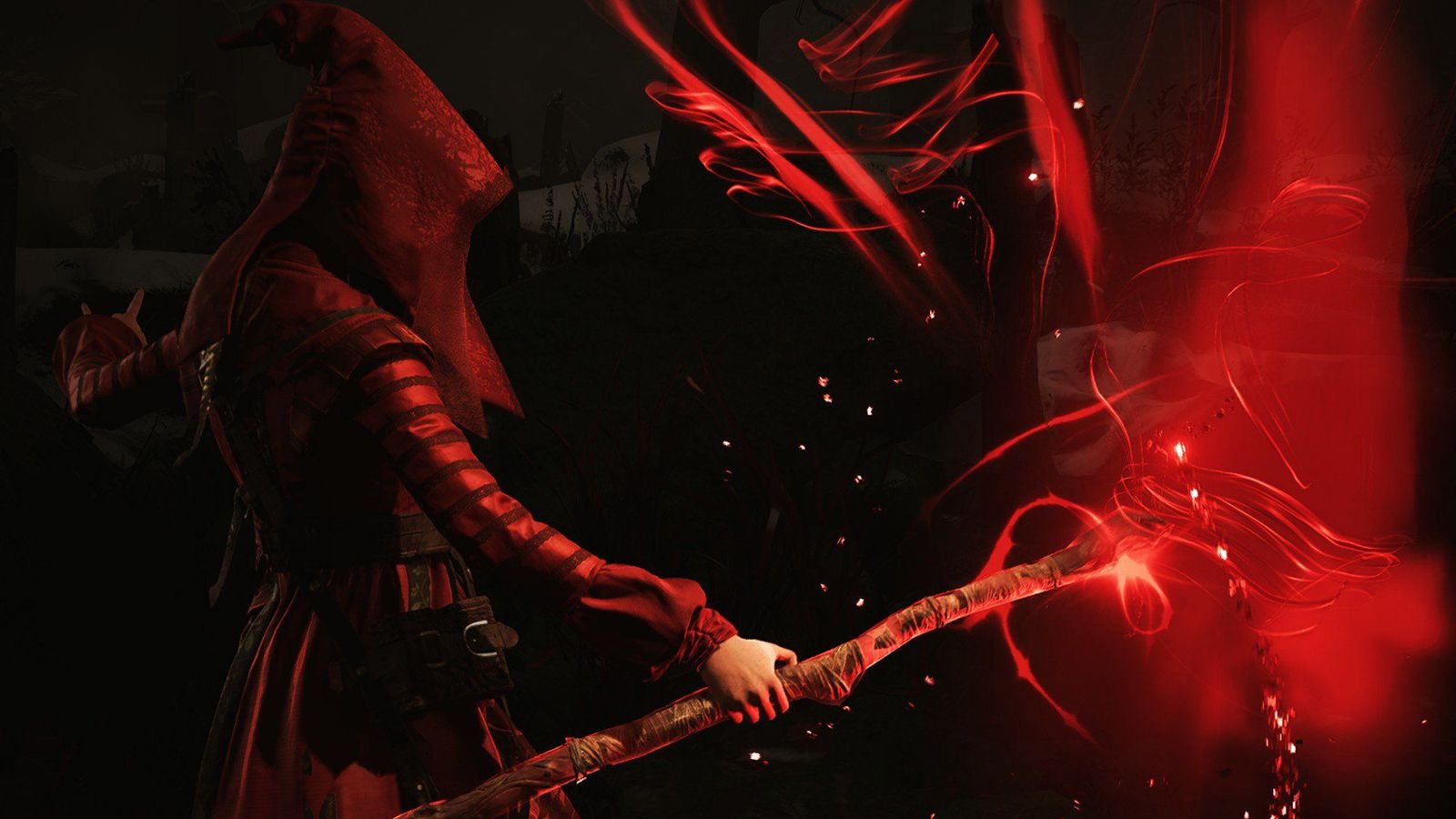
As I sat down to play 1666: Amsterdam, the latest historical fantasy game from Patrice Désilets, creator of the Assassin's Creed series, I couldn't help but think about the journey that brought this game to life. From its humble beginnings at THQ Montreal in 2010 to its current state at Panache Digital Games, 1666: Amsterdam has been a project that has seen its fair share of ups and downs.
In 2010, Patrice Désilets started working on 1666: Amsterdam at THQ Montreal. However, when Ubisoft, his former employer, bought the studio three years later, the project was suspended, and Désilets was fired. This led to a lawsuit battle over the rights to 1666: Amsterdam, which was eventually settled in 2016. Désilets withdrew his complaint after attaining the full rights to the project, marking a new beginning for 1666: Amsterdam.
When development restarted in 2020 at Panache Digital Games, the project underwent a significant transformation. Désilets revealed that there isn't much shared DNA between the original vision and what 1666: Amsterdam is today, apart from its dual timeline setup and the setting. The key new component added to the game is witchcraft, which sets it apart from the Assassin's Creed series.
In 1666: Amsterdam, you play as Noa Brooklyn, a witch who has been born and raised to steal power back from demonic entities known as 'the originals', who have lived for centuries and abused their unchecked supernatural abilities, while disguised in the streets of Amsterdam. Along for the ride is Aaron, who has been summoned from the year 1999 and transformed into a cat. The game's premise is a bewildering mish-mash that draws comparisons to Assassin's Creed's sci-fi dabblings with the Animus.
Despite the perplexing premise, I was eager to experience the game firsthand. The prologue, which is available to play on Steam, doesn't give you a good idea of what the game is, with only minor interactions where you cast spells to ignite flames. Thankfully, I got to go hands-on with the subsequent hour and see some later gameplay in a guided presentation. While I have a better idea of the actual game, it's still a perplexing curio within the action-adventure mould.
As I reflect on my experience with 1666: Amsterdam, I'm struck by the game's development journey. From its troubled past to its current state, the game has been shaped by adversity and transformation. While it's still a rough shape, I'm fascinated by the game's potential and eager to see how it will evolve in the future.
1666: Amsterdam is a game that defies easy categorization, blending historical fantasy with witchcraft and supernatural elements. Its development journey has been marked by setbacks and transformations, but the game's potential remains undiminished. As I look to the future, I'm excited to see how 1666: Amsterdam will shape up and whether it will live up to its promise.
Key Facts:
- 1666: Amsterdam was initially developed at THQ Montreal in 2010.
- The project was suspended and Patrice Désilets was fired after Ubisoft bought the studio.
- The lawsuit battle over the rights to 1666: Amsterdam was settled in 2016.
- Development restarted in 2020 at Panache Digital Games.
- The game's premise involves witchcraft and supernatural elements.
As a writer, I'm drawn to stories like 1666: Amsterdam, which defy easy categorization and offer a glimpse into the complexities of game development. The game's journey from its troubled past to its current state is evidence of the power of perseverance and creativity.