News
2000s TV heartthrob accidentally shares naked photo on Instagram stories
Tom Welling’s accidental “cloud‑shaped” selfie has turned a 10‑hour Instagram story into a viral cautionary tale for creators who juggle personal branding with public personas.
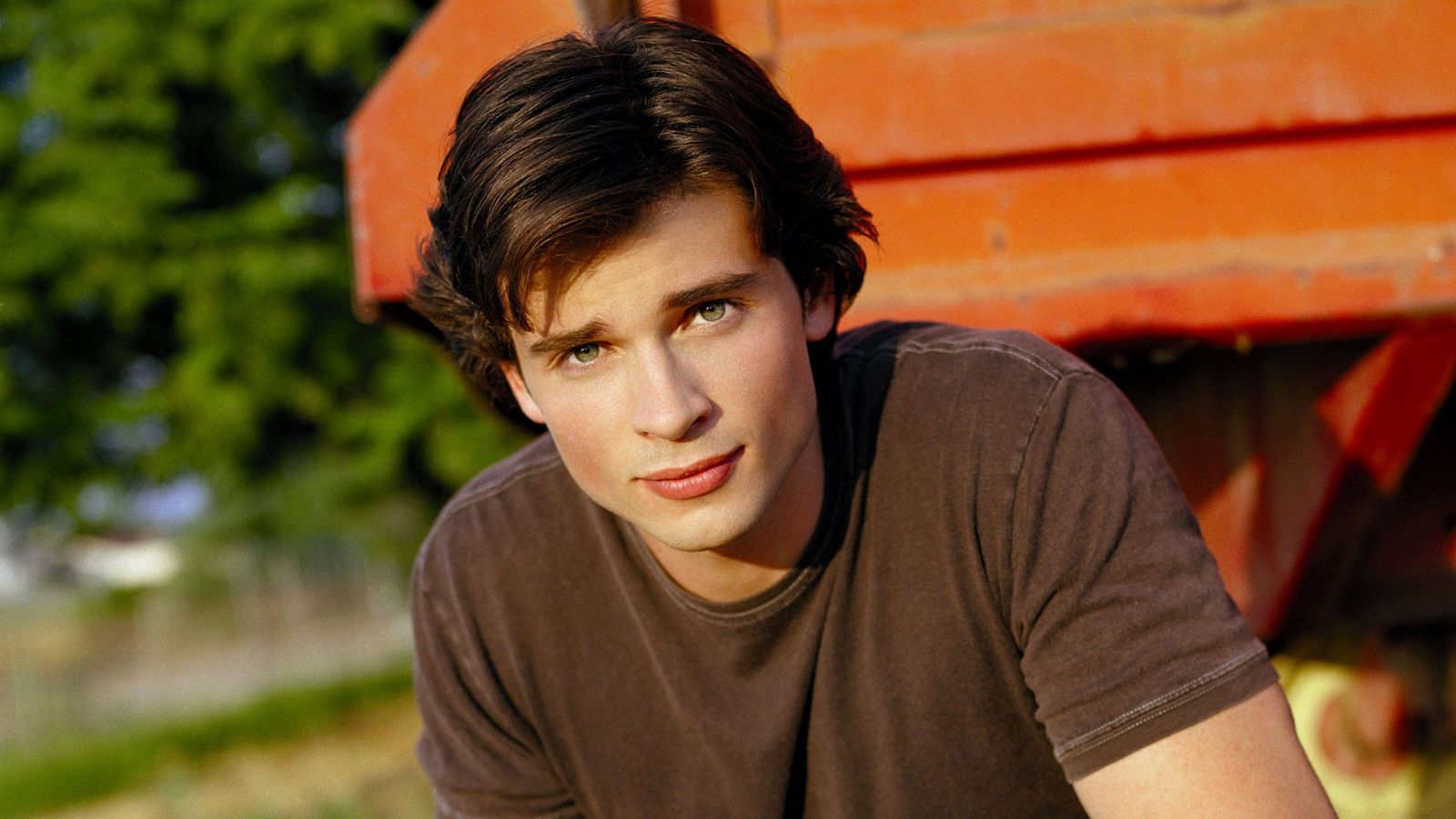
Tom Welling’s accidental “cloud‑shaped” selfie has turned a 10‑hour Instagram story into a viral cautionary tale for creators who juggle personal branding with public personas. The actor, who spent a decade as the teenage Clark Kent on Smallville, intended to showcase the New York City skyline for the 2026 Comic Con, yet the mirror reflected a different kind of skyline altogether. Fans, already primed for a nostalgic panel, were left staring at a snapshot that some claimed showed the actor’s naked body. The incident raises questions about digital literacy, the fragility of image control, and how even seasoned stars can slip in the age of instant sharing.
When Welling posted the story, it lingered for ten hourslong enough for millions of followers to catch the unintended reflection. The caption, “Hello NYCC,” suggested a celebratory tone, but the visual content subverted expectations. The image, filtered through a glass window, produced a silhouette that many interpreted as the actor’s own body. The debate over whether the photo truly displayed a private part or was merely a suggestion of cloud shapes highlights how viewers project meaning onto ambiguous imagery. Even seasoned social‑media users, like the 2.2‑million‑follower fan “cloisville,” could not help but react with shock, while others questioned the plausibility of a 10‑hour‑long story being unnoticed. This incident underlines how a single misstep can dominate a creator’s narrative for days, especially when the platform’s algorithm keeps the content visible.
Smallville remains a cultural touchstone for a generation that grew up with the early superhero boom. Welling’s appearance at the anniversary panel was a nod to that era, and the accidental story disrupted the carefully curated nostalgia. Fans’ reactionsranging from disbelief to confusionreflect a broader trend: audiences crave authenticity, yet they also demand a certain polish. When a beloved figure shares a moment that feels raw or accidental, it can either humanise them or erode the mythos they helped build. In this case, the story’s persistence suggests that the audience was more intrigued than offended, perhaps because the image was ambiguous enough to avoid outright scandal.
The incident is a textbook example of how even high‑profile individuals can fall prey to basic digital pitfalls. The question “how did he not notice his reflection?” echoes a larger issue: many creators still underestimate the importance of double‑checking content before publishing. This is especially true for those who operate across multiple platformsInstagram, Twitter, TikTokeach with its own quirks. The fact that the story remained online for ten hours indicates a lapse in content moderation, a mistake that could have been avoided with a simple preview or a second set of eyes. As creators continue to rely on personal branding, the margin for error shrinks; one misclick can turn a promotional post into a viral controversy.
I predict that this mishap will accelerate the adoption of automated preview tools in social‑media management software. Platforms that can flag potential privacy or content issues before posting will become essential for influencers who juggle personal and professional personas. If creators can avoid such blunders, they will maintain tighter control over their narratives and reduce the risk of unintended leaks. For Tom Welling, the lesson is clear: even a seasoned star must treat every post as a potential public statement.
The fallout from this accidental share will linger in the creator community, reminding us that a single image can rewrite a decade’s worth of branding.


