News
7 Big Book Changes in Mike Flanagan's 'Carrie' TV Show
The new Carrie on Prime Video re‑imagines the horror classic as a digital‑age nightmare, turning the quiet, homeschooled teenager into a cyber‑bully’s target.
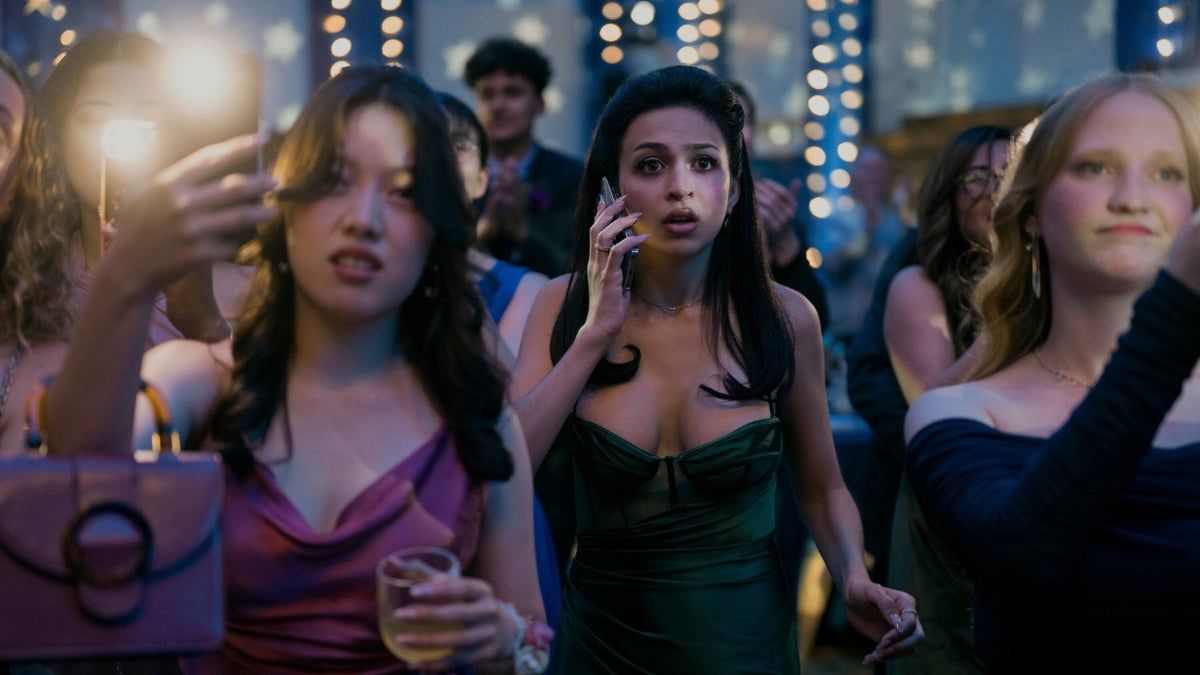
The new Carrie on Prime Video re‑imagines the horror classic as a digital‑age nightmare, turning the quiet, homeschooled teenager into a cyber‑bully’s target. The stakes are personal: Carrie now faces relentless Instagram harassment, a school‑shooting threat and a custody battle that forces her into a high school she never knew existed. The series, directed by Mike Flanagan, pivots from the 1970s setting of Stephen King’s novel to a contemporary, high‑tech environment where the line between real and virtual cruelty blurs.
The adaptation’s most striking shift is the migration from hallway torment to online torment. In the original, Carrie’s humiliation is confined to physical taunts and whispered rumors. In the 2026 series, a malicious Instagram account is created using her own photo and a joke about her name. This account does more than target her; it spreads hate across the entire student body. The result is a 24‑hour siege that mirrors the way social media amplifies every whisper. Flanagan’s decision to make cyberbullying the central antagonist reflects the current reality where students can be harassed from the moment they wake up, turning the school environment into a constant, invisible battlefield.
The original Carrie presents a girl who is largely a background figure at Chamberlain High, only becoming a target after a single incident. The series rewrites her backstory: Carrie is born at home and lives there with her parents. Her father’s death triggers a legal intervention that forces her into a conventional school setting. This narrative choice elevates the emotional stakes. The audience witnesses a child who has never known school life suddenly thrust into a hostile environment, making her vulnerability more palpable. The transition from a quiet, secluded life to a public, scrutinised one underscores the broader theme of how modern institutions can be unforgiving to those who do not fit the mould.
In King’s original, Margaret’s death is a tragic, almost inevitable act of maternal desperation, occurring as the town burns. The series re‑imagines Margaret’s fate: she is persuaded by the mother of a girl with similar powers that Carrie must be eliminated before she becomes too dangerous. This shift reframes Margaret from a tormented victim into a calculated, protective figure who believes that eliminating her child is the only way to prevent a larger catastrophe. The change amplifies the moral ambiguity of the mother’s actions and reflects contemporary debates about parental control, mental health, and the limits of protective instincts.
The move to a modern setting is not merely aesthetic; it signals a broader cultural shift. The original Carrie was a critique of 1970s suburban conformity and the hidden violence beneath polite façades. Today, the horror lies in the omnipresent digital surveillance and the ease with which hate can spread. By embedding cyberbullying, school shootings and social media into the narrative, Flanagan taps into the collective anxiety of a generation that has grown up with smartphones in their palms. The series becomes a mirror to the real‑world phenomena of cyber‑hate, the fragility of mental health in school settings, and the ways technology can amplify both kindness and cruelty.
Given the success of Flanagan’s previous work on The Haunting of Hill House and The Haunting of Bly Manor, it is likely that this approach will set a new standard for horror adaptations. Future projects may increasingly prioritize contemporary social issuessuch as digital identity, mental health, and institutional failingsover period‑accurate storytelling. If Carrie continues to resonate, we may see more horror series that use the genre as a vehicle for social commentary, blending scares with a sharp critique of the systems that shape our lives.
The re‑imagined Carrie is more than a retelling; it is a contemporary cautionary tale that places the horror of the past into the context of the present. By re‑writing the protagonist’s background, intensifying the threat of cyberbullying, and redefining the mother’s role, Mike Flanagan has crafted a version that feels both fresh and disturbingly familiar. As the series unfolds, it will likely prompt viewers to question how much of the horror we see on screen is a reflection of the real dangers lurking in our own digital classrooms.


