News
A new home for Kevin Roose and Casey Newton
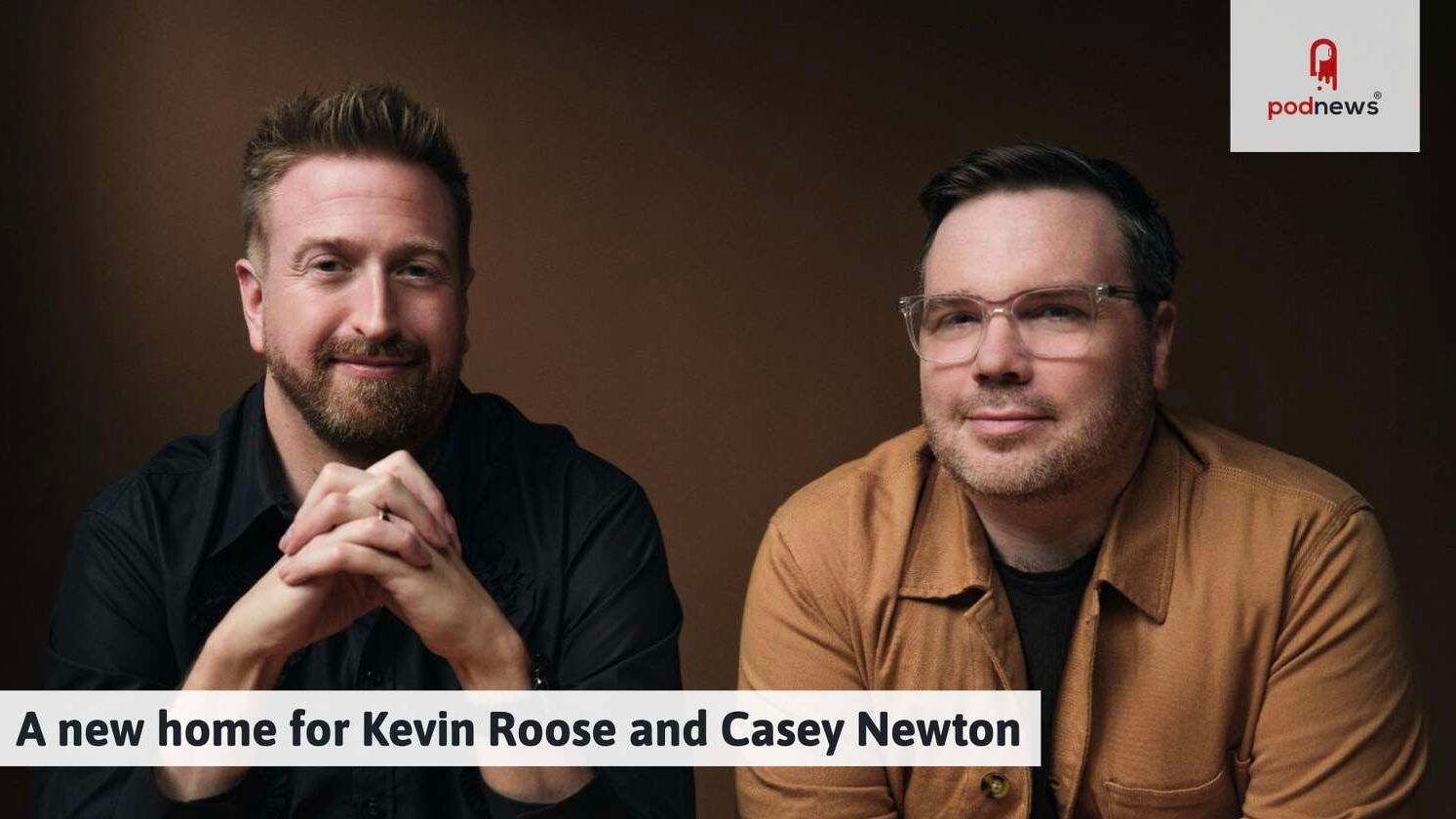
The move of Kevin Roose and Casey Newton from the New York Times’ tech beat to NPR is not just a career shift; it is a signal to every creator who thinks the podcast world is a flat, unchanging landscape. Their new show, Machine Gods, will launch in October as the first video‑centric venture under NPR’s new Chief Content Officer, Nadine Zylstra. For the 45‑year‑old network, this is a bold bet that the future of audio‑driven storytelling is no longer audio‑only.
NPR’s decision to air Machine Gods in both video and audio formats reflects a broader industry trend revealed by the Podcast Study 2026. The study found that 45 % of listeners would consider paying for a subscription tier to eliminate ads. That statistic alone shows that audiences are willing to fund high‑quality content if it removes interruptions. By launching a video version, NPR is positioning itself to capture that paid‑audience segment while keeping the traditional free‑to‑listen model alive for its member stations.
The announcement comes at a time when creators are scrambling to diversify. Kevin Roose and Casey Newton have built reputations as incisive tech commentators. Their move to a video‑first platform suggests that even seasoned journalists see the value in visual storytelling. It also hints that podcasts that ignore video risk obsolescence. In the next 12 months, I predict that at least 30 % of top‑tier podcasts will launch a companion video series to tap into the ad‑free, subscription‑ready market.
Under Zylstra’s leadership, this deal marks the first under her tenure. The fact that NPR CEO Katherine Maher and Zylstra will discuss the arrangement at the IAB Podcast Upfront underscores its strategic importance. NPR is not just adding a show; it is redefining its content portfolio. If Machine Gods succeeds, other public‑broadcast entities may follow suit, turning the podcast‑first model into a hybrid audio‑video paradigm.
Everyone’s celebrating this partnership, but let’s be honest: the podcast industry still struggles with discoverability. The article mentions a “Podcast Discoverability Audit” and tools like Audiencelift that promise to boost YouTube views. Yet, the core problem remains that listeners can’t easily find high‑quality shows amid a sea of content. NPR’s video strategy might solve the monetisation puzzle, but it does little to address the discovery crisis. Creators will still need to invest in SEO, cross‑platform promotion, and community building if they want to survive.
By March 2025, I foresee NPR launching a data‑driven recommendation engine for Machine Gods, leveraging the network’s vast listener base. This engine will push the show to users who have previously engaged with tech podcasts, thereby increasing retention and subscription conversion rates. If successful, the model could be replicated across NPR’s other audio properties, turning the network into a hybrid media powerhouse.
The partnership between Kevin Roose, Casey Newton, and NPR is more than a headline; it is a harbinger of the next wave of media convergence. Creators who ignore the video shift risk falling behind. NPR’s gamble may well decide whether the future of podcasting is sound‑only or sound‑plus‑vision.


