Podcasts
A podcast app just for audio fiction
The first time I opened the new Bard player, I was already halfway through a thrilling episode of The Midnight Hour on my way to a meeting.
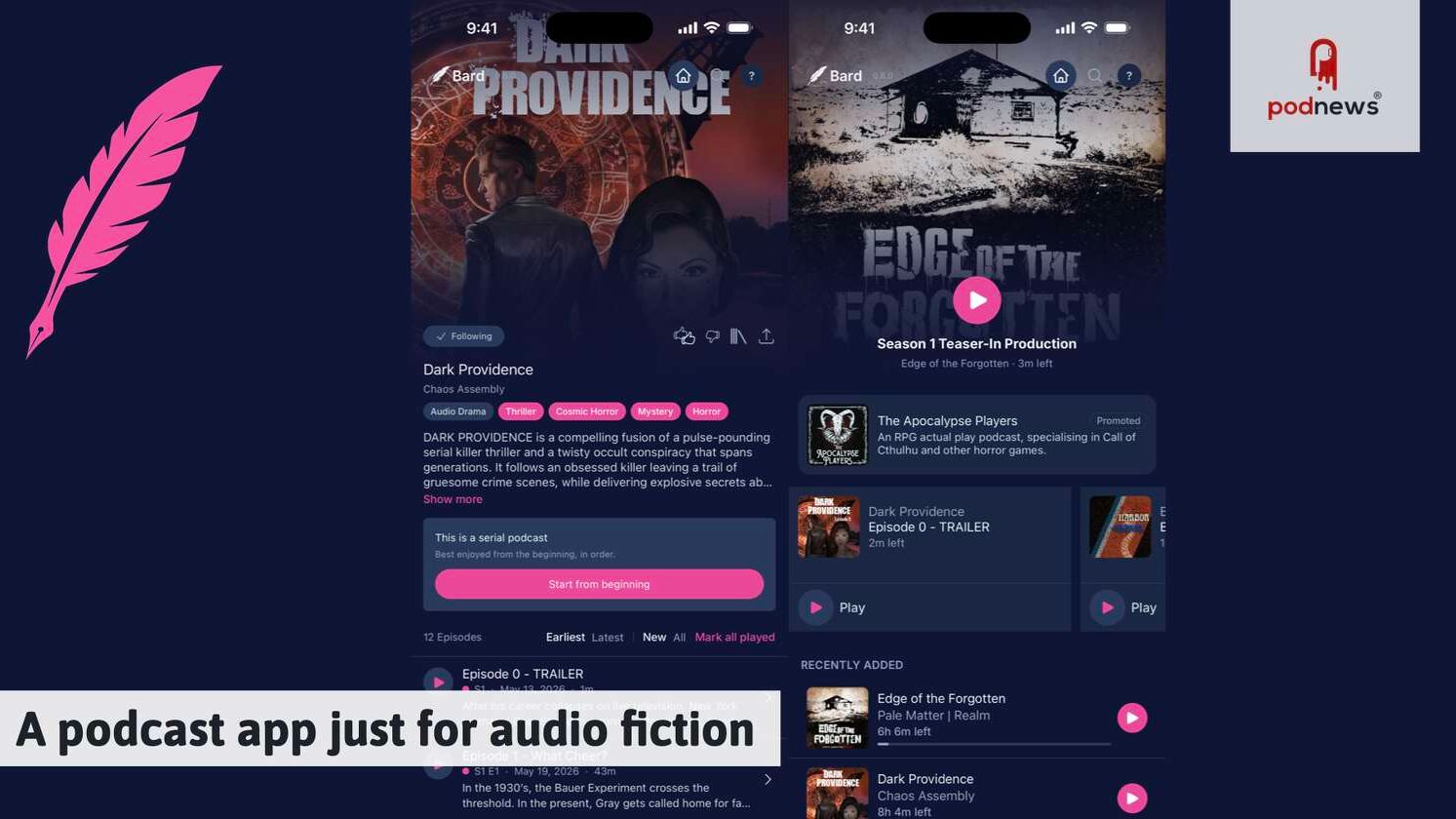
The first time I opened the new Bard player, I was already halfway through a thrilling episode of The Midnight Hour on my way to a meeting. The interface felt like a fresh chapter in a bookclean, focused, and, frankly, a breath of fresh air for anyone who’s ever felt lost in a sea of generic podcast apps. That was the human angle: a casual listener, a fan of audio drama, looking for a better way to dive into stories without the noise of mainstream shows.
Bard positions itself as a dedicated hub for human‑generated audio fiction. Existing podcast platforms tend to group drama with talk shows and news, making it hard for listeners to find what they love. Bard tackles this by expanding categories specifically for audio drama, improving episode navigation, and linking directly to Patreon and Ko‑fi pages. This last feature is a game‑changer for creators who need a steady revenue stream to keep their stories alive. The app is free on the Apple App Store and on the web, with Android on the horizonso the barrier to entry is low, but the value is high.
One of the most exciting parts of Bard is how it helps creators monetize. By integrating Patreon and Ko‑fi links straight into the player, writers can monetize their work without redirecting listeners to external sites. This keeps the listening experience seamless and encourages fans to support the creators directly. For the indie writer or small production house, this could mean the difference between a hobby and a sustainable career. The emphasis on human‑generated content also signals a shift away from algorithm‑driven playlists toward a community that values storytelling craftsmanship.
Existing podcast apps are built around broad categories and algorithmic recommendations. For a genre like audio drama, that means a listener searching for a new mystery may end up with a tech podcast or a comedy special. Bard’s focused approach solves this mismatch. It also addresses navigation pain pointslisteners can jump between acts, skip to key moments, or explore companion content without leaving the app. This level of curation is rare in the podcast ecosystem, and it speaks to a growing demand for genre‑specific discovery.
The launch of Bard aligns with a broader trend of creators seeking direct monetization pathways. As the podcast industry matures, the pressure to generate revenue through ads, sponsorships, or subscriptions has intensified. Bard’s integration with Patreon and Ko‑fi reflects a move toward creator‑centric economics, where the audience can support the stories they love directly. This shift could ripple across other podcast categories, encouraging platforms to rethink how they serve niche communities.
Look, if you’re a fan of audio drama or a creator looking for a better platform, Bard is the next step. It’s not just a new app; it’s a statement that audio fiction deserves its own space, its own revenue model, and its own community. The fact that it’s free and already available on major stores means you can start exploring today without any commitment. And for the creators, the built‑in monetization tools could finally turn passion projects into viable businesses. In a world where podcasts are everywhere, Bard reminds us that sometimes the best stories need a dedicated stage.