News
A Star-Studded Lineup: PodFest Naija Unveils Obafemi Hamzat as Keynote Speaker, Featuring Funke Akindele, Aproko Doctor & More
Lagos is about to drop a new cultural dividend, and the people who will reap it are the creators, podcasters and storytellers who keep the city’s creative economy humming.
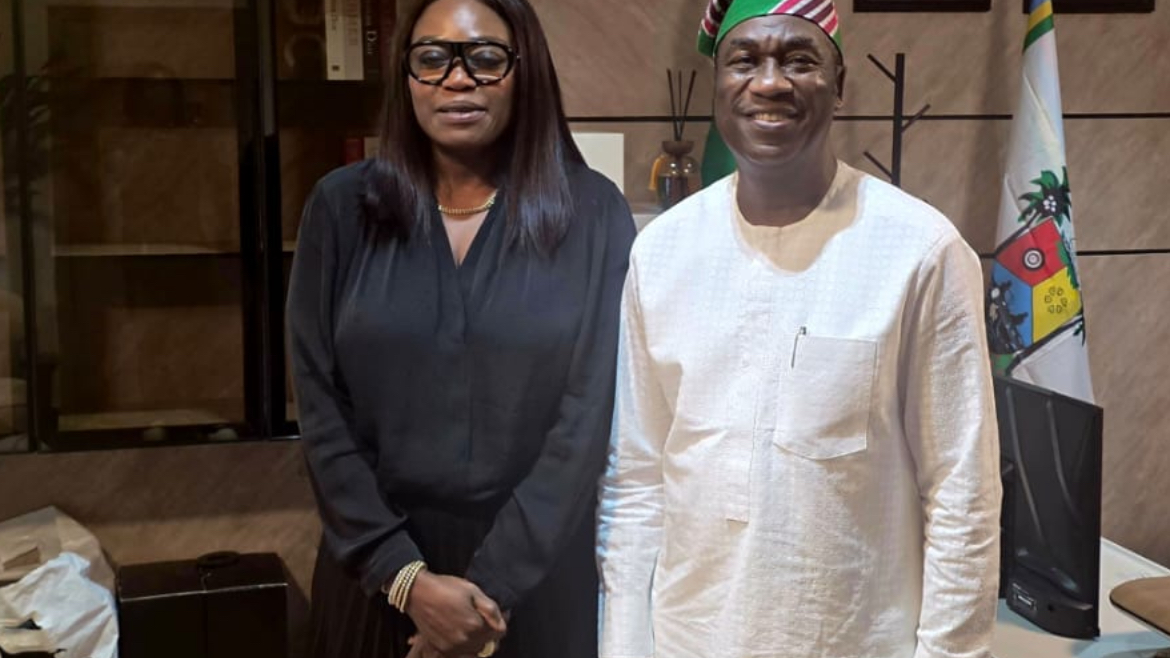
Lagos is about to drop a new cultural dividend, and the people who will reap it are the creators, podcasters and storytellers who keep the city’s creative economy humming. On September 25, 2026, the Harbour Point stage will be graced by Deputy Governor Obafemi Hamzata political figure who usually speaks on policy, not on podcasting. His presence signals a pivot: Lagos is finally putting its foot down on the narrative that government can be a partner, not just a regulator, for the people who shape the next wave of African media.
When a deputy governor walks onto a festival stage, the usual expectation is a monologue about budgets or infrastructure. Hamzat is set to break that mold. He will address “Creativity, Technology, Culture, and the Future of the people of Lagos,” a promise that sounds like a manifesto for the next generation of content creators. If he delivers on that promise, the ripple will be felt beyond LagosNigeria’s creative hubs will start to see government as a collaborator rather than a hurdle. The stakes are high: the city’s 3‑million‑strong creative community could finally secure public funding, mentorship programmes, and regulatory clarity that have long been missing.
Hamzat’s keynote is just the tip of the iceberg. Funke Akindele, the “box‑office queen,” will perform, while Aproko Doctor and Rufai Oseni will bring fresh voices from the comedy‑drama circuit. The festival also features Rolake Akinkugbe‑Filani, Babajide Ogunsanwo, and Duke of Shomolu, who together weave a tapestry of music, fashion, and street‑culture narratives. Not to be overlooked are Audu Maikori, Tosin Olaseinde, Fisayo Soyombo, Grace Ofure, Masoyinbo, Salem King, Dr. Foy, Toolz, and William Bensona lineup that reads like a who’s‑who of contemporary Nigerian storytelling. Each name is a brand, a movement, a business model in its own right, and together they form a living laboratory for the future of content creation.
The festival’s backing list reads like a corporate dream: Eventful, Dashboard, The Place, Yolly, MTN, DNIL, Afrinvest, Page International Finance Company, Lebara, Sahara Foundation, and FMCG giants UAC, Coca‑Cola, Crown Flour Pasta, Beloxxi, Fan Milk, Eve Essentials. At first glance, it looks like a marketing mash‑up. But the real question is whether this partnership will translate into tangible support for creators. The presence of MTN and other tech firms suggests a potential for digital infrastructure investmentstreaming bandwidth, data plans for podcasters, and perhaps a platform for monetizing content. If the festival can convert sponsorship into policylike tax incentives for creators or a dedicated fund for indie producersthe partnership will be a benchmark for public‑private collaboration in Africa.
Everyone’s applauding the headline that a deputy governor will speak to podcasters. Yet the story is not about a single speech; it’s about the structural shift Lagos is making. The city has long been a cultural exportermusic, film, fashionbut the narrative that politics can’t touch creativity is dying. By placing Hamzat at the centre of a festival that celebrates storytelling, Lagos is rewriting the rulebook. If the festival proves that government can be a catalyst rather than a bureaucratic roadblock, it will force other Nigerian states to rethink their stance on creative industries.
By the end of the day, I expect at least one new policy proposal to emerge from the discussionsperhaps a “Creator’s Grant” or a “Digital Content Hub” in Victoria Island. If that happens, Lagos could become the first Nigerian state to institutionalise support for podcasters and storytellers, setting a precedent for the rest of the country.
PodFest Naija 2026 is not just a festival; it’s a political statement. It says that Lagos is ready to hand the mic to its creators, that the government will stand beside them, and that the city’s cultural output will keep driving economic growth. The real test will be whether the promises made on Harbour Point translate into policies that empower the next generation of Nigerian storytellers. If they do, Lagos will not only export music and film but also a sustainable ecosystem for narrative‑driven commerce.
More stories you'll like

News
A bigger piece of Cairo

News
'Other Desert Cities' Broadway Review: Julia Louis-Dreyfus Brings Biting Levity to Her Main Stem Debut

News