News
Aaron Paul Pays Tribute to RJ Mitte, Advocates for Mental Health: 'I'm So Sorry You Were Hurting'
Aaron Paul’s Instagram tribute to RJ Mitte is a quiet confession that fame does not erase the invisible battles people carry. When the actor who played Walter White Jr.
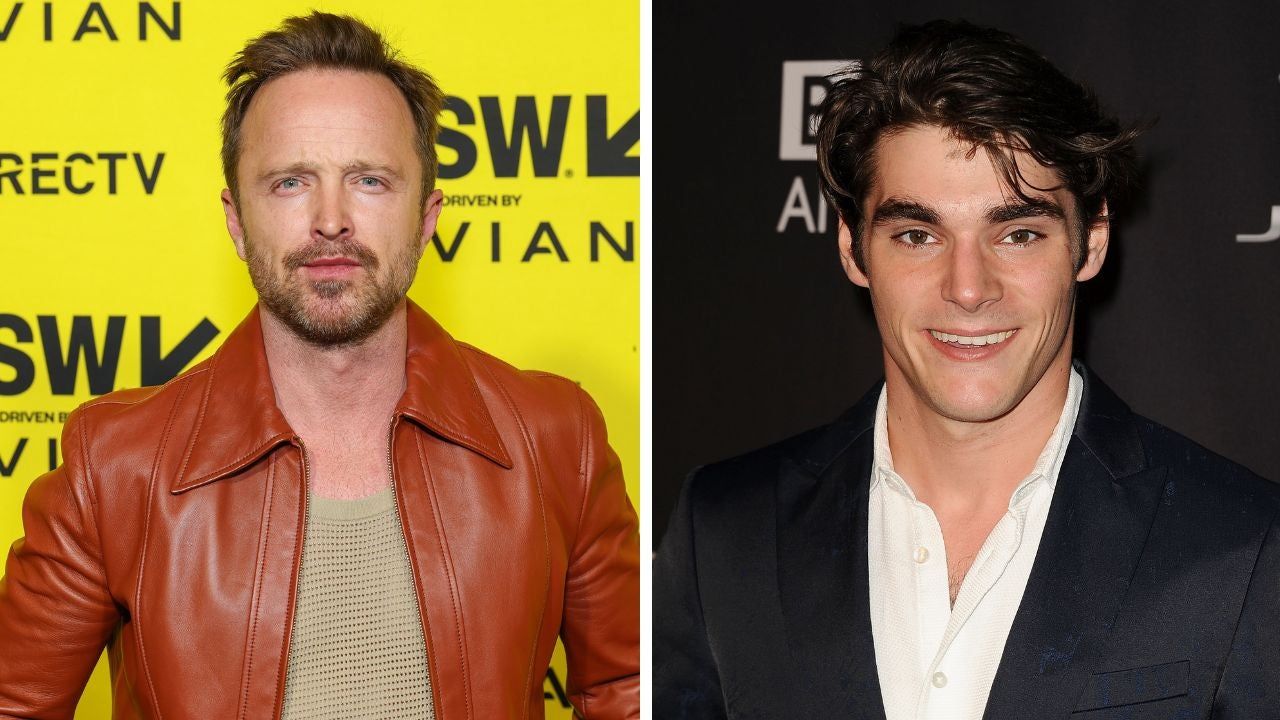
Aaron Paul’s Instagram tribute to RJ Mitte is a quiet confession that fame does not erase the invisible battles people carry. When the actor who played Walter White Jr. Died by suicide, the world of “Breaking Bad” was left to reckon with the gap between the on‑screen smiles and the off‑screen pain that the young star endured. For the fans who watched RJ grow from a child actor into a role model for people with disabilities, Paul’s apology feels like a mirror held up to the industry’s own blindness. It matters because it forces us to ask: how many other “inspirational” figures are silently struggling?
Paul’s caption“I am so sorry you were hurting my friend”cuts straight to the core of the tragedy. It is a stark reminder that the veneer of confidence and grace that RJ projected on set could not shield him from inner turmoil. The actor himself had been vocal about mental health, urging viewers to recognize that “not always good” is normal. Yet the industry still rewards the façade of relentless optimism, especially for stars who break barriers. If the entertainment world had embraced vulnerability as a strength rather than a flaw, perhaps the conversation around RJ’s pain would have started earlier.
The video that Paul shared is not just a tribute; it is a manifesto. RJ’s words“It’s not OK to harbor that feeling”echo a growing shift in how public figures discuss mental well‑being. In the past, actors who spoke openly about depression or anxiety were met with pity or skepticism. Today, the narrative is changing. Yet the fact that RJ chose to speak out only weeks before his death shows how precarious the line is between advocacy and survival. The industry’s silence on these topics is no longer an option; it is a liability.
Bryan Cranston’s grief, shared in a private message, underscores the personal toll on the “Breaking Bad” ensemble. He remembered planning a lunch that could have altered RJ’s trajectory. Dean Norris, who played RJ’s on‑screen uncle, echoed the collective heartbreak. These reactions highlight that the tragedy is not isolated to the fan base but reverberates through the creative community that once celebrated RJ’s talent. If the show’s producers had fostered a more robust support system, perhaps the outcome would have differed.
I predict that the industry will soon adopt a mandatory mental‑health protocol for all cast and crew, modeled after the protocols already in place in some European productions. If Hollywood does not act, the next “Breaking Bad” will be a cautionary tale rather than a cultural milestone. The stakes are high: a single actor’s silence can cost a life.
The final message from RJthat it is okay not to be okayremains a powerful call to action. It is a reminder that the stories we celebrate on screen must be matched by the care we provide off screen. The industry must stop treating mental health as a footnote and start treating it as a headline.


