News
Aaron Sorkin Explains Jesse Eisenberg Turning Down 'The Social Reckoning': 'Money Does Not Motivate' Him
Aaron Sorkin’s latest attempt to resurrect a character that once defined a generation has fallen flatJesse Eisenberg declined to reprise Mark Zuckerberg in The Social Reckoning.
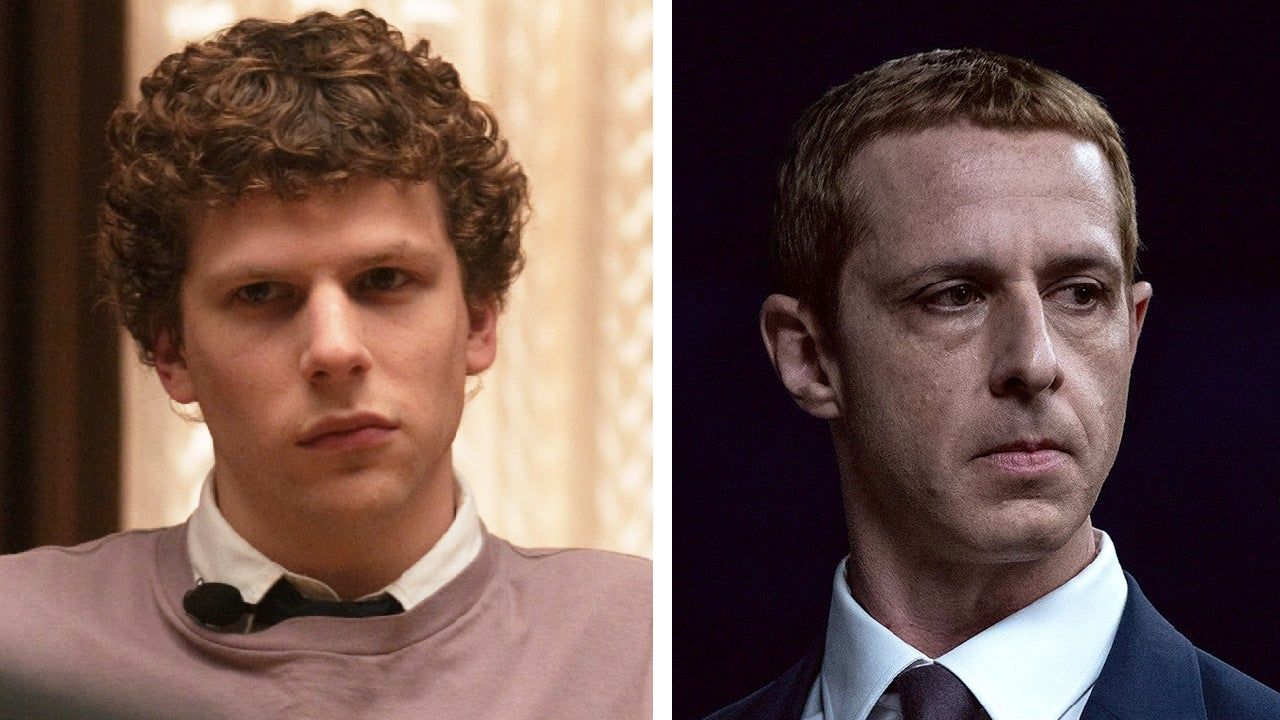
Aaron Sorkin’s latest attempt to resurrect a character that once defined a generation has fallen flatJesse Eisenberg declined to reprise Mark Zuckerberg in The Social Reckoning. The actor’s refusal, driven not by ego but by a principled stance on money and identity, throws a wrench into Hollywood’s usual script of “big‑budget star power equals box‑office success.” For the millions who watched The Social Network and felt the cultural shock of a tech titan’s rise, the decision signals a deeper shift in how we consume celebrity narratives.
Sorkin admits that Sony offered Eisenberg a “considerable” sum to return, yet the actor saw no incentive. “If anything, money is a disincentive for him,” the writer‑director said. This is a rare public acknowledgment that the lure of cash can backfire when an actor’s values clash with the industry’s financial engine. Eisenberg’s own comment that he worries about “raising his kids with too much money” underscores a generational tension: the younger cohort of creatives increasingly prioritises purpose over profit.
Eisenberg’s refusal also stems from a desire to escape being forever linked to Zuckerberg. In a Vanity Fair interview, he explained he “did not want to be conflated with Mark Zuckerberg anymore” and that he has “his problems with the guy.” Hollywood has a long history of actors being typecast by a single breakout rolethink Daniel Craig as James Bond or Emma Stone as a “sassy” character. Eisenberg’s move suggests a growing awareness that such typecasting can stifle artistic growth and personal identity.
Sorkin recounts his own persistence: sending the actor a script and outlining why Eisenberg should return. He recalls a moment when Eisenberg said, “You have come closer to changing my mind than I thought you were going to.” That brief flicker of openness was enough for Sorkin to feel hopeful, only to be dashed by the actor’s final decision. It highlights the fragile nature of creative negotiations, where even a substantial financial offer cannot override an actor’s personal convictions.
With Jeremy Strong stepping into the Zuckerberg role, The Social Reckoning takes a fresh direction. Strong’s portrayal promises a different shade of the tech mogul, potentially shifting the film’s tone from a personal drama to a broader commentary on the tech industry’s impact. This casting change may also appeal to audiences who felt The Social Network was too focused on Eisenberg’s performance, offering a broader lens on the Facebook saga.
If Eisenberg’s stance gains traction, we may see more actors refusing lucrative offers that conflict with their personal ethos. Hollywood could shift toward value‑driven casting, where actors choose projects that align with their beliefs rather than purely financial incentives. This could reshape the industry’s power dynamics, giving actors more leverage in negotiations.
The refusal of a high‑profile actor to return to a role because of money and identity concerns is a wake‑up call for Hollywood. It reminds studios that talent is not a commodity that can be bought with a paycheck; it is a human being with values, ambitions, and a desire to be seen as more than a character. The industry must adapt if it wants to retain the best creative minds.


