News
Africa's deep tech ambitions are running into an ecosystem raised on software
Terra Industries’ first prototype drone hovered over the dusty streets of Lagos on a humid October morning, its rotors whirring like a distant drumbeat.
Terra Industries’ first prototype drone hovered over the dusty streets of Lagos on a humid October morning, its rotors whirring like a distant drumbeat. The pilot, a young engineer named Nathan Nwachuku, watched the screen in the cockpit light up with telemetry data, a smile breaking across his face as the drone traced a perfect circle above the city’s skyline. Beside him, Maxwell Maduka adjusted a sensor panel, his fingers moving with the confidence of someone who had spent years dreaming of a continent that could build its own hardware. That moment, captured on a handful of footage shared by the company, felt less like a marketing stunt and more like a quiet declaration: Africa can make the machines that once only existed in the laboratories of far‑off nations.
The story of Terra is set against a backdrop where most African startups build software on top of existing infrastructure. Fintech firms assemble payment apps without ever touching the silicon that powers their customers’ phones. Logistics platforms rely on cloud services stitched together by third‑party networks. The United Nations Development Programme calls this approach “technology built on existing systems.” Yet deep tech, as defined by the UN, demands that companies take those building blocks and turn them into new inventions. Drones, robotics, semiconductors, biotechnologyall require laboratories, specialised components, and the ability to iterate on physical prototypes. In Nigeria, a 2021 baseline study by the Nigerian Communications Commission found that 84 percent of hardware components used in telecommunications are imported, highlighting a dependency that deep tech must break.
In August, Terra closed a $52 million seed round, the largest in Africa to that point. Investors, drawn by the promise of an autonomous defence platform, saw a market that could extend beyond national borders. The capital infusion allowed Terra to move from concept to production, building sentry towers and crewless ground vehicles that all run on its proprietary ArtemisOS platform. The funding also signals a shift in perception: venture capitalists are beginning to recognise that hardware startups can be as profitable as their software counterparts, provided the ecosystem supports their unique needs.
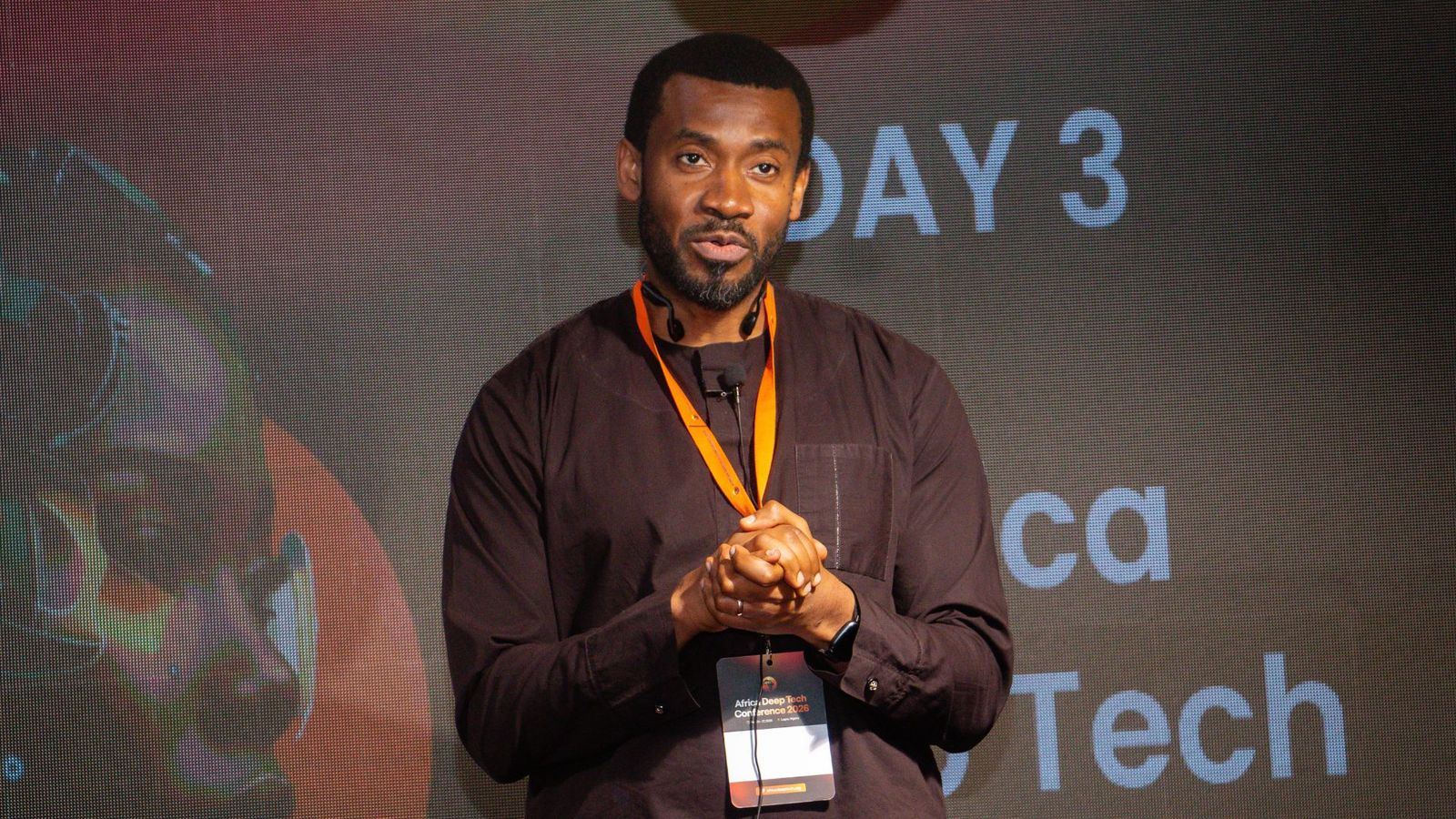
Chukwuemeka Afigbo, the convener of the Africa Deep Tech Foundation, has voiced concerns that resonate across the continent. “The hardware folks would tell you there’s a lot of support they need that they haven’t necessarily seen,” he said. “For example, policies around the amount of money they pay to bring in components to build stuff in the country.” Afigbo’s remarks underline a systemic hurdle: the high tariffs and complex customs procedures that make importing components a costly endeavour. Without reforms, the dream of a self‑sufficient deep tech ecosystem remains fragile.
As I watched Nathan and Maxwell calibrate their drone, I realised that their work is more than engineering; it is a quiet rebellion against a narrative that African tech can only consume. Their success shows that when funding, policy, and talent converge, the continent can move from software‑on‑top to software‑from‑the‑ground. The next step will be to replicate this model in other sectorsbiotech, medical devices, and AIso that the entire continent can claim ownership of its technological future.
The story of Terra Industries is still unfolding, but the next milestone will likely be the establishment of a national laboratory network that can supply local component manufacturing, reducing import costs and accelerating innovation across Africa.