News
What is The Hidden Cost of Nigerian Women's Unpaid Labour?
Fadekemi’s kitchen was a small, sun‑lit room where the scent of simmering stew mingled with the sharp sting of hot oil that had marked her at six.
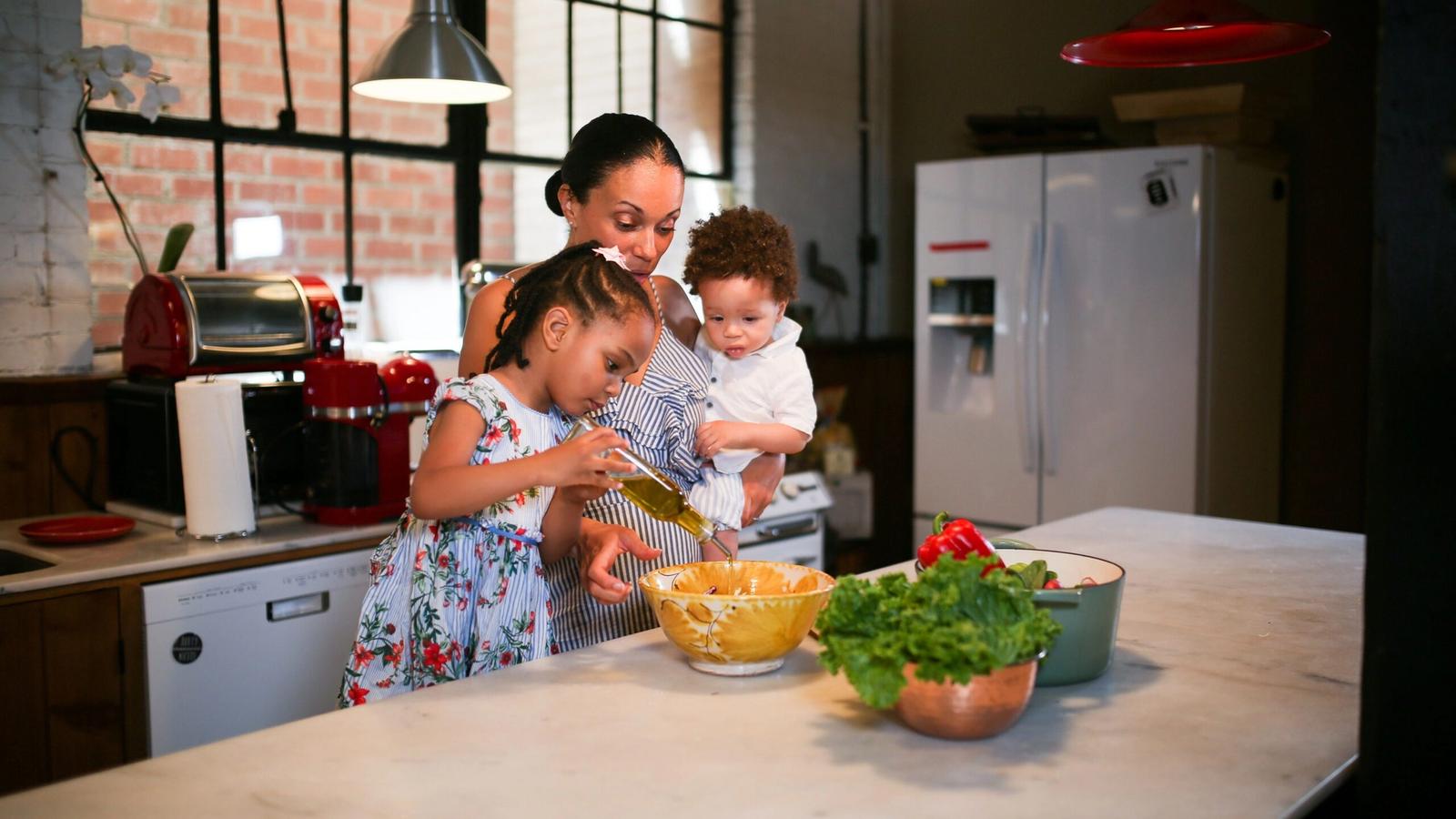
Fadekemi’s kitchen was a small, sun‑lit room where the scent of simmering stew mingled with the sharp sting of hot oil that had marked her at six. Her mother’s voice, firm and unyielding, had taught her the exact rhythm of stirring, the precise amount of salt, the way her father liked the sauce. That memory, vivid and unchanging, anchors a story that stretches across generations of Nigerian women, each of whom spends at least five hours a day on unpaid care and domestic work.
The Nigeria Time Use Survey (NTUS) 2024 paints a stark picture: the average Nigerian woman devotes 21 % of her dayroughly five hoursto unpaid domestic and care work. Men, by contrast, spend only one hour on such tasks. After an eight‑hour paid job, a woman’s day stretches to thirteen hours, with the extra half a day absorbed by cooking, cleaning, and caregiving. This “double shift” is invisible in national statistics, yet it is the backbone of the household economy.
Research estimates that these unpaid hours carry an annual economic value of up to $111 billion. Yet, because the work is classified as “women’s work,” it is excluded from Nigeria’s gross domestic product. The result is a hidden cost that both the nation and its women bear. While the country counts corporate profits and industrial output, it overlooks the countless hours spent preparing meals, tending to children, and maintaining homes.
Fadekemi’s journey began at six, when she first felt hot oil splatter on her skin. By thirteen, she was already an unpaid labourer, carrying out chores and caring for younger siblings. As she entered adulthood, she became a mother, and the cycle continued. Now, as a grandmother, she still attends to grandchildren, a duty reinforced by traditions such as Omugwo, which exclude men from caregiving roles. Each stage of her life has been punctuated by the same unspoken expectation: that her labor is a given, not a negotiated contribution.
The structural roots of this burden are evident in public policy. Mothers receive maternity leave with 50 % pay, while fathers in the civil service are granted only fourteen days of paternity leave. Private‑sector fathers are left without any statutory leave, effectively making them absent fathers from the first day of a child’s life. This policy design not only reinforces traditional gender roles but also signals that caregiving is a female responsibility, not a shared one.
A 2026 study published in BMC Paediatrics found that over 64 % of women reported being the primary caregivers for their newborns. When care is concentrated in women’s hands, the economy loses potential labor that could otherwise be redirected into formal employment or entrepreneurial ventures. The hidden cost, therefore, is not merely the hours spent at home; it is the opportunity cost for both individuals and the national economy.
As a writer who has walked kitchens, offices, and streets across Nigeria, I see the weight of these unpaid hours in the quiet determination of women like Fadekemi. Their labor is the unsung rhythm that keeps households alive, yet it is the very rhythm that keeps the nation from tapping into a vast reservoir of productive potential.
Looking ahead, the conversation must shift from invisible to visible. If policymakers and society begin to recognize and compensate this laborwhether through expanded parental leave, financial incentives, or public acknowledgmentNigeria could unlock a significant portion of its human capital. The next chapter of the country’s growth will depend on whether the hidden cost of women’s unpaid labour is finally brought to light and addressed.