News
Yemi Alade Is Counting Cash and Serving Looks in "Alhaja" Video
Yemi Alade’s new “Alhaja” video isn’t just a feast for the eyes; it’s a manifesto for the modern Nigerian woman who refuses to let anyone underestimate her worth.
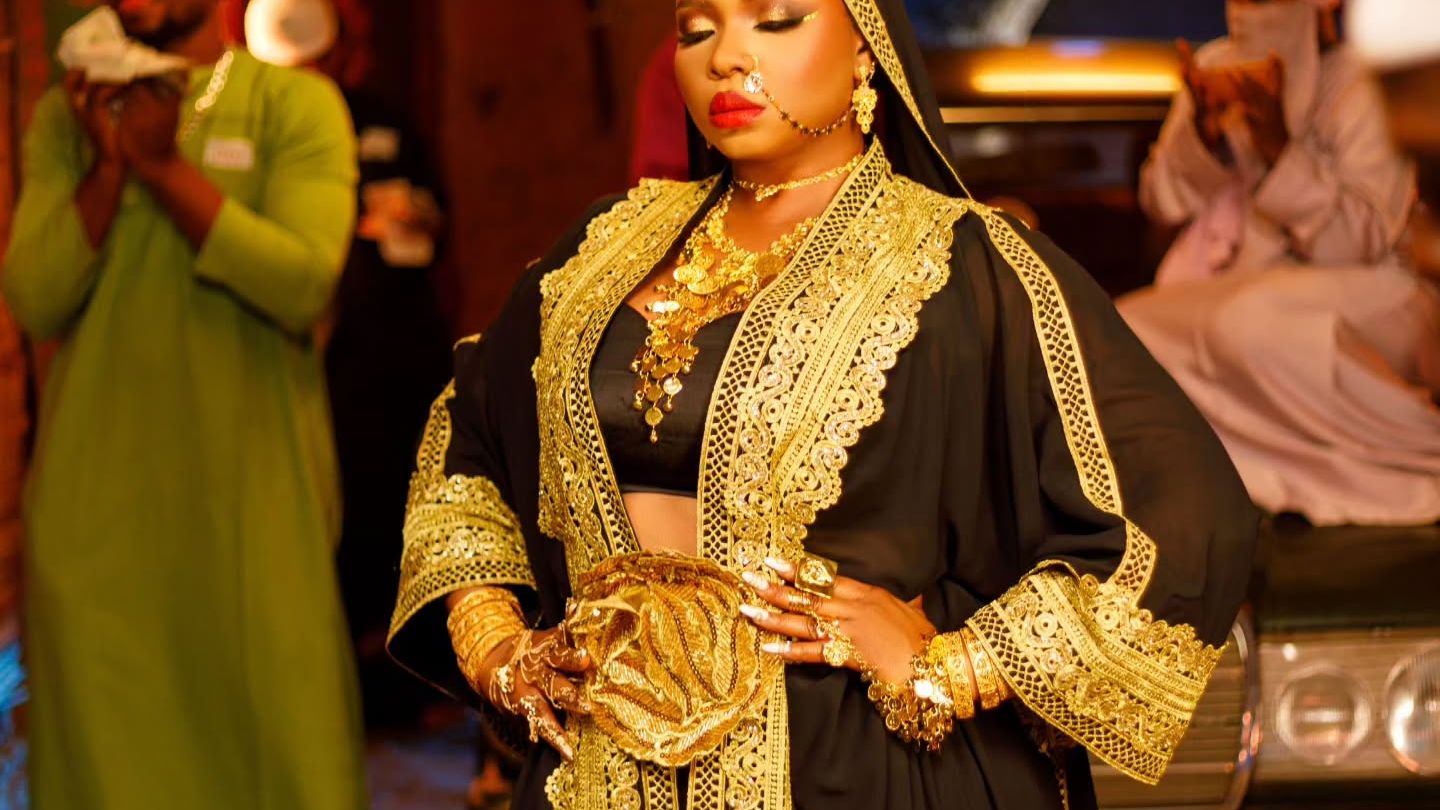
Yemi Alade’s new “Alhaja” video isn’t just a feast for the eyes; it’s a manifesto for the modern Nigerian woman who refuses to let anyone underestimate her worth. In a scene where she holds a stack of cash beside vintage cars and lanterns, the superstar turns a simple money‑counting moment into a powerful visual assertion that success is both visible and unapologetic. For fans who have watched her rise from Lagos to global stages, this clip is a reminder that her brand is built on boldness, not subtlety.
When Yemi grabs the cash, the camera lingers on the crisp bills, the glint of gold jewelry, and the confident tilt of her head. It’s a deliberate choice: money is not a prop but a symbol of her agency. The image echoes the broader narrative of Nigerian women carving out lucrative spaces in entertainment and business, challenging the stereotype that wealth is male‑dominated. By foregrounding the act of counting, she invites viewers to witness the accumulation of power, not just its possession.
The black abaya, embroidered with gold, is more than a fashion statement; it’s a cultural bridge. Yemi layers the garment with bold gold hand jewelry and ornate rings, blending Yoruba heritage with contemporary luxury. This fusion signals that African aesthetics can coexist with global opulence without dilution. The choice also nods to the growing trend of African artists reclaiming traditional attire in high‑fashion contexts, proving that heritage can be a competitive edge.
Clarence Peters’ direction turns the set into a carnival of light. Neon signs flicker against torchlight, creating a dreamscape that feels both ancient and futuristic. The cast, which includes dancers in traditional drums, punctuates the scene with rhythmic authenticity. This juxtaposition of modern lighting and age‑old instruments underscores the duality of “Alhaja”: a celebration of progress that respects roots.
Everyone’s applauding Yemi’s glamorous display, but the real story is that she’s dismantling the myth that African women must be modest to succeed. The video’s unapologetic display of wealth and style confronts the expectation that Black women should hide their prosperity. By making her money visible, Yemi asserts that success is a public, not a private, affair. This stance will likely inspire a new wave of creators to embrace overt confidence rather than restrained ambition.
Given the viral reach of “Alhaja,” I foresee a shift in how African artists craft music videos. Expect a surge in productions that prioritize cultural authenticity paired with high‑glamour aesthetics. Within the next year, more Nigerian musicians will adopt the cash‑counting motif as a visual shorthand for empowerment, setting a new benchmark for the industry.
Yemi Alade’s “Alhaja” is not merely a video; it’s a declaration that Nigerian women can own their wealth, their style, and their narrative. The next time you scroll past a flashy clip, remember that behind the gold and neon lies a powerful message: success is yours to claim, and you can do it with style.