News
AMC vigilante arrested for pepper-spraying phone-using moviegoer
The night the theater turned into a battlefield, the real victims were not the popcorn stalls or the screen it was the ordinary moviegoer who dared to stare at a phone instead of a film.
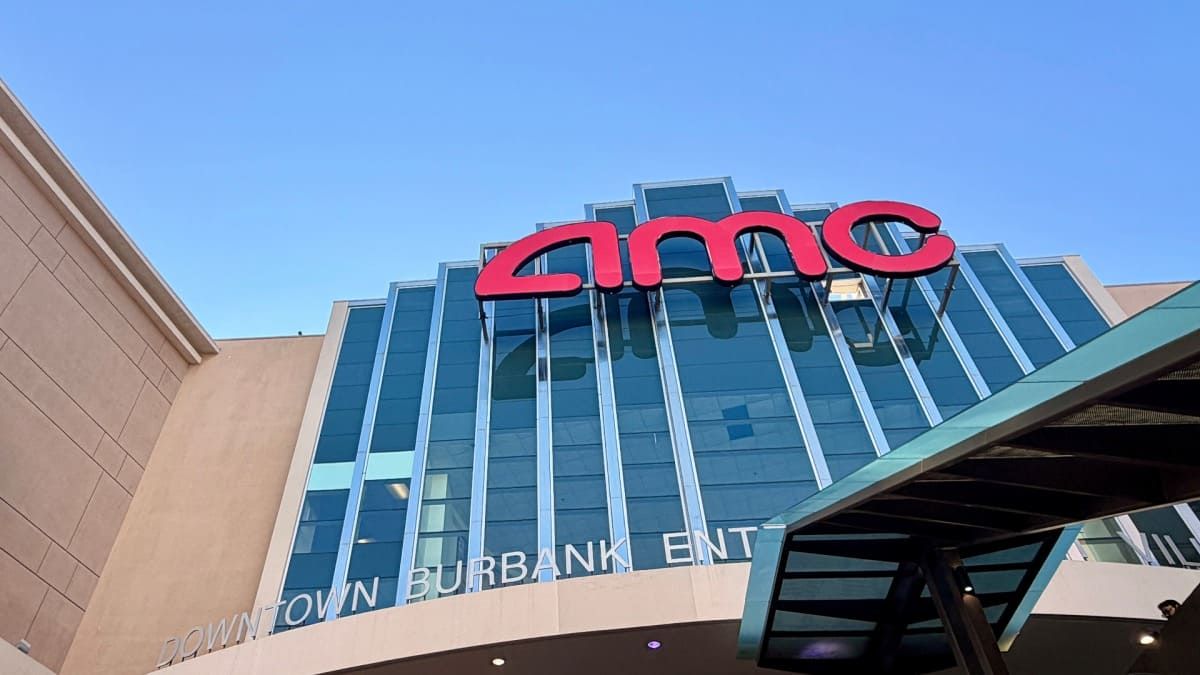
The night the theater turned into a battlefield, the real victims were not the popcorn stalls or the screen it was the ordinary moviegoer who dared to stare at a phone instead of a film. When a 34‑year‑old wearing a Terrifier T‑shirt unleashed pepper spray on a fellow audience member during The Uprising at AMC Burbank, the incident exposed a deeper cultural clash: the sanctity of the cinema versus the ubiquity of mobile devices. The fallout? Two people rushed to the hospital, a suspect fled, and the movie continued for fifteen minutes while the air thickened with chemical fumes. The stakes are high for every patron who expects a distraction‑free experience and for chains like AMC that promise a “movie‑better” environment.
AMC’s “no‑phone” policy is not new. The chain has long insisted that screens stay off to preserve the communal nature of film. Yet the enforcement has been uneven. In this case, the phone‑user’s silence was broken only when a vigilant Matthew Ware a self‑proclaimed “A‑Lister” decided that the policy demanded a dramatic, if misguided, response. The policy’s intent is clear: protect the collective viewing. The execution, however, crossed the line from rule‑enforcement to vigilante justice, leaving the theater staff scrambling to keep the show on track.
Witnesses recounted that the incident happened about forty minutes in, when the hiss of aerosol cut through the room. One Redditor, Dry_Commission2937, described the scene as the most bizarre experience he had ever had as an A‑Lister. The fact that no one else reacted except the victim and the attacker suggests a culture of passive complianceor, perhaps, fear of becoming a target. The theater’s delayed response a fifteen‑minute pause before the film resumed illustrates a systemic failure to protect patrons in real time. The audience’s silence becomes a silent endorsement of the attacker’s actions.
The incident is a stark escalation in the ongoing battle between those who see cinema as a shared ritual and those who treat it as a backdrop for scrolling. While the chain’s policy is designed to maintain focus, it ignores the reality that many viewers keep their phones as a safety net for emergencies or social connection. The pepper‑spray episode shows that when enforcement is left to individuals, the outcome can be violent. The broader implication is that AMC, and similar chains, must reconsider how they balance policy with safety. A more proactive approach trained ushers, clear signage, and immediate intervention could prevent the next “pepper‑spray” incident.
If AMC and other chains fail to adapt, we will see a rise in similar vigilante incidents. I predict that within the next year, AMC will roll out a new policy that allows brief, non‑screening phone use during intermission, coupled with a rapid‑response system for disruptions. This change will be driven not by customer demand but by the necessity to avoid legal liability and public backlash.
The night of September 15, 2023, will be remembered not for the plot of The Uprising but for the lesson it taught: in a world where phones are extensions of ourselves, the cinema must evolve or become a battlefield.


