News
'American Horror Story 13' Plot: Inside the 'Coven' Witches' Long-Awaited Reunion
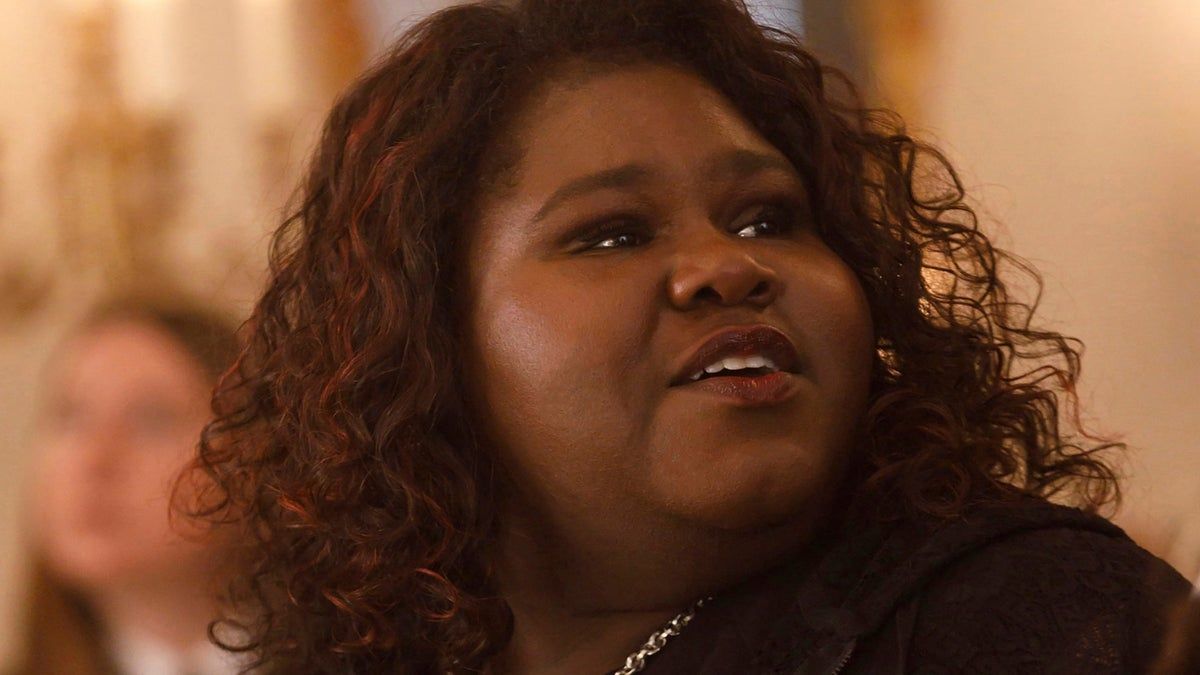
The night the academy’s doors creaked open, Fiona Goodeonce the Supreme of the Covenstepped back into the fray, her presence a flicker of hope amid the darkness that had swallowed her sister Cordelia Goode. The air in Miss Robichaux’s Academy was thick with the scent of burnt candles and the metallic tang of blood, a reminder that the witches were no longer just a group of spell‑casters but a battalion fighting for survival. Fiona’s return was not a mere cameo; it was a lifeline for a coven that had just lost its guiding star to the hands of the “Hotel” killer, James Patrick March, and his band of historical serial killers.
The episode that followed Cordelia’s murder found Madison Montgomery bracing the remaining witches for the inevitable showdown. With the Supreme’s body lying in the hall, the group split into squads: one to hunt the killers, another to keep the dead at bay. Mallory guarded Cordelia’s corpse, while Madison and Queenie confronted Jeffrey Dahmer. Their dialoguean odd nod to “Monster”revealed the absurdity of facing a serial killer who had already been sealed in the past. When Dahmer stabbed Madison, the instant healing power of Morwenna, a new witch with resurrection abilities, restored her, turning the tide back to the Coven’s favor. The scene underscored how the Coven had evolved, integrating fresh talents to replace the void left by Cordelia.
Meanwhile, Coco, a witch introduced in Apocalypse who can detect calories and metabolism, sensed an abnormal energy surge. This anomaly led to a confrontation with the Zodiac killer, described as a diabetic. The pairing of Queenie’s voodoo doll powers with Coco’s metabolic detection proved lethal, culminating in the killer’s demise. The episode’s choreographymixing ancient voodoo with modern forensic sciencehighlighted the Coven’s adaptability. It also raised questions about the ethics of using such powers against humanity’s darkest figures, a theme that reverberates through the series.
In a twist that only American Horror Story could deliver, Mallory sent the Nightstalker back to his old neighborhood, a desperate attempt to eliminate him before he could wreak havoc again. The scene was a stark reminder of the Coven’s willingness to manipulate time to protect their own. Opheliaa witch with time‑travel abilitiesvowed to keep this secret, hinting at the fragile trust within the group. The narrative choice to use time travel as a weapon rather than a cure reflects the show’s broader commentary on the cyclical nature of violence and the lengths one will go to break it.
Fiona’s reappearance was more than a plot device; it was a narrative pivot that shifted the Coven from a reactive stance to an offensive one. Her leadership, combined with the newfound powers of Morwenna and Coco, re‑energized the group. The episode ends with the Coven rallying at Miss Robichaux’s Academy, ready to confront the looming threat of Mr. Nas, the enigmatic figure who seems to embody Satan himself. The stakes are clear: the Coven must not only survive but also prevent the rise of a force that could consume the world.
As a writer, I see Fiona’s return as a symbolic reset button for the series. It reminds viewers that even in a world steeped in horror, the possibility of redemptionand the courage to pursue itremains.
The next chapter promises a deeper dive into Mr. Nas’s machinations and the Coven’s struggle to maintain their humanity while wielding unimaginable power. The audience can expect more supernatural twists, but also a deeper exploration of the characters’ internal battles, as the show continues to blend the personal with the paranormal.


