News
An AI image of Mia Goth sparks Instagram fan account controversy
Mia Goth’s divorce filing from Shia LaBeouf had already set a tone of public speculation. A few weeks later, an Instagram image appeared that looked like a selfie from the actress herself.
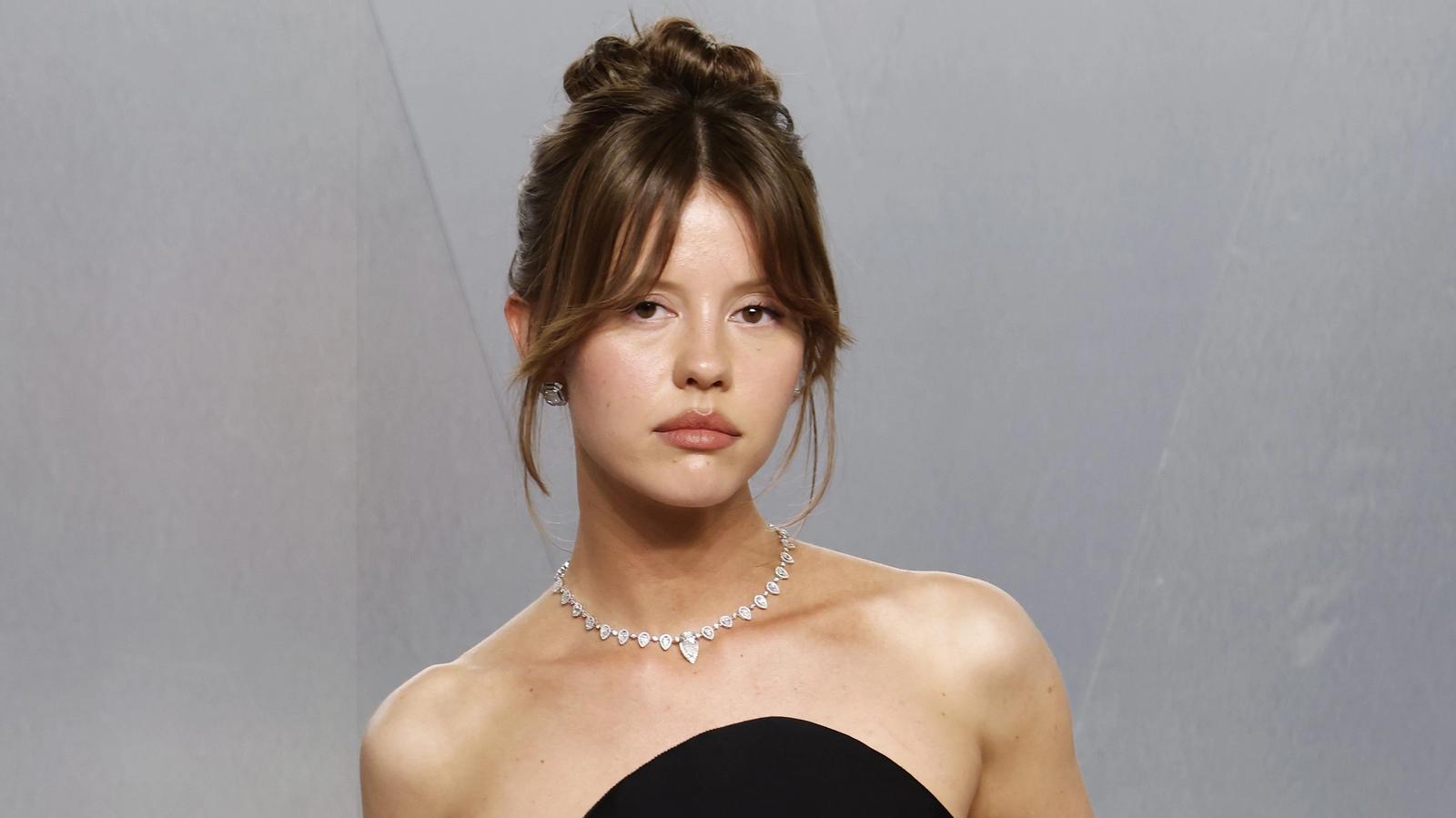
Mia Goth’s divorce filing from Shia LaBeouf had already set a tone of public speculation. A few weeks later, an Instagram image appeared that looked like a selfie from the actress herself. In the photo she was wearing a t‑shirt that read “MY EX IS MY BIGGEST FAN.” The background was a muted street, the lighting soft, and the caption paired the image with Beyoncé’s “Single Ladies (Put a Ring on It).” For days the post was taken at face value: a fashion statement, a personal jab, a moment of empowerment. Then the account that posted it**@miagoth_**was revealed to be a verified fan page, not the actress’s own profile.
The fan account in question boasted a verified blue check and more than a million followers. Its owner had no official connection to Mia Goth, yet the platform’s algorithm had granted it the same status reserved for public figures. When the image surfaced, the actress’s representative, Christine Tripicchio, sent a formal complaint to Instagram, calling the post “counterfeit, AI images of Mia Goth.” She also questioned how the fan page had met Instagram’s verification criteria. “The fact that this fan account meets Instagram’s criteria to qualify for a ‘blue check’ is disconcerting,” she said. “Beyond that, it is incomprehensible that Instagram evidently prioritises the dissemination of forged and manipulated images over the protection and integrity of a public figure’s likeness.”
Meta’s response was swift. “This account has been removed for impersonating a public figure,” the company said. The removal came after a broader investigation that had identified six AI‑generated influencer accounts with a combined following of around one million. These accounts had posted fabricated celebrity encounters and, in most cases, linked to Fanvue profiles selling synthetic adult content. The Mia Goth incident was the most visible example of how a single AI image could distort public perception and damage a celebrity’s brand.
Instagram’s verification system is designed to confirm the authenticity of public figures, but the algorithm can misfire. In this case, the fan account’s high engagement metricslikes, comments, sharescontributed to its badge. The system, however, does not scrutinise the content for authenticity, allowing AI‑generated images to masquerade as real posts. The Mia Goth image exploited this loophole by mimicking the actress’s style and the emotional context of her recent divorce. The result was a viral moment that misled fans and media alike, prompting a rapid response from the actress’s team.
Behind the pixels of a fabricated t‑shirt lies a real personMia Gothwho has chosen to stay off social media entirely. Her decision to remain silent on the platform was a deliberate stance against the noise that surrounds celebrity culture. Yet the AI image forced her into a narrative she never consented to, a narrative that tied her personal life to a manufactured visual statement. For fans, the incident highlighted the fragility of trust in digital spaces where a single image can be weaponised to spread misinformation.
The broader implications reach beyond one actress. In the creator economy, authenticity is a currency. When AI‑generated personas flood platforms with false content, they erode the value of genuine engagement. Creators, whether musicians, actors, or influencers, risk being eclipsed by synthetic accounts that can amass followers faster than real talent. This incident serves as a cautionary tale for platforms and audiences alike: verification badges do not guarantee truth, and audiences must remain critical of the content they consume.
The Mia Goth controversy underscores the urgent need for tighter controls on AI‑generated media. As algorithms evolve, so too must the safeguards that protect public figures and the integrity of their personal narratives. The next time a celebrity’s image appears on your feed, consider the sourcebecause in the age of AI, authenticity is no longer a given.


