News
An officers use of Flock cameras was unconstitutional, judge rules
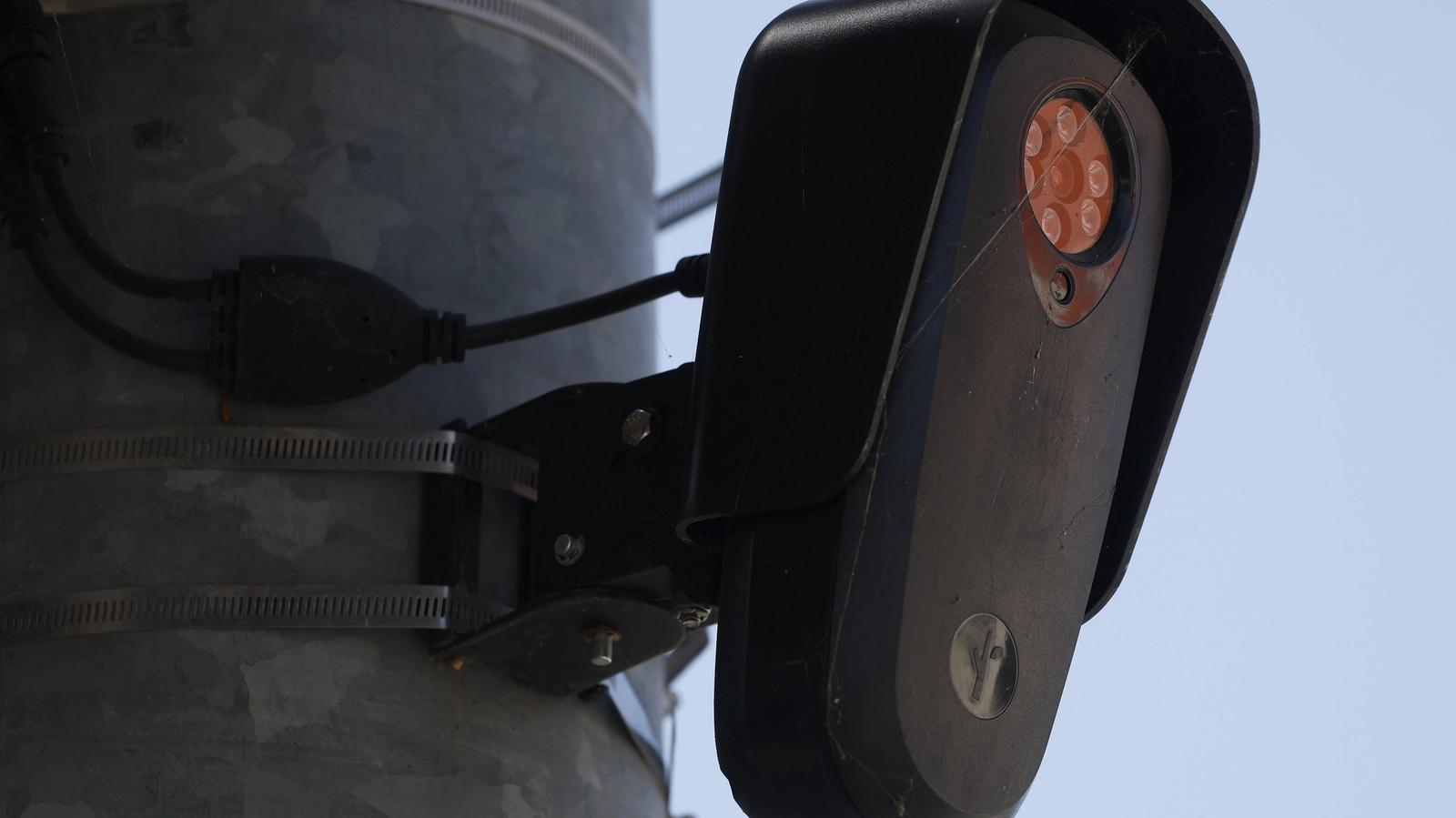
Melisa Kyle’s night on a Tulsa highway turned from a routine traffic stop to a constitutional battle when a deputy pulled her over not for a skid or a broken tail light, but for a string of numbers on a license‑plate reader. The officer, a DEA‑affiliated Deputy Sheriff, ran Kyle’s plate through Tulsa County’s Flock database, a network that stitches together cameras across the state to map a vehicle’s recent movements. The data showed a brief trip across state lines and back, enough, the deputy claimed, to raise suspicion of drug activity. The result was a search that uncovered methamphetamine and an arrest that would later be called unconstitutional.
In the early hours of the stop, the deputy’s phone lit up with a Flock feed: a timestamped trail of Kyle’s car, a series of GPS coordinates that traced a short detour. The officer used that trail as the sole justification to pull the woman over, arguing that the data constituted probable cause. The court, however, saw a different picture. Judge Sara E. Hill concluded that accessing the Flock database without a warrant amounted to a “warrantless search” that violated the Fourth Amendment. She described the system as “indiscriminate mass surveillance,” emphasizing that citizens have a reasonable expectation of privacy even while moving in public spaces.
This decision is not an isolated blip. Across the country, law‑enforcement agencies have leveraged Flock’s vast trove of location data to monitor activists, religious groups, and critics of the police. Yet, previous rulings had upheld the use of automatic license‑plate readers, treating them as benign tools. Judge Hill’s ruling flips that narrative, suggesting that the aggregation of data into a real‑time tracking system crosses a constitutional line. The court’s language signals a shift: the mere act of pulling a plate number through a database can now be deemed unconstitutional if done without a warrant.
For Melisa Kyle, the ruling means more than a legal victory; it restores a sense of agency that had been stripped away by a system that treats every driver as a potential suspect. In a society where the line between public safety and personal privacy is increasingly blurred, Kyle’s case highlights the tangible impact on ordinary people. The deputy’s reliance on Flock’s data, rather than observable evidence, illustrates how technology can be weaponized against individuals without due process.
The court’s decision arrives on the heels of bipartisan pressure to regulate Flock. Senators Bernie Sanders, Alexandria Ocasio‑Cortez, and Jeff Merkley introduced the Ban Flock Act on October 2, proposing sweeping restrictions on the use of license‑plate readers and the data they collect. The legislation aims to curb the “dragnet‑style surveillance” that has become a hallmark of modern policing, especially in the wake of high‑profile abuses.
As I watched the judge’s opinion read aloud in the courtroom, I felt a mix of relief and unease. Relief that a system once deemed safe is now under scrutiny, and unease that the technology itself remains in the hands of many agencies. The ruling does not eliminate Flock; it forces a reckoning with how data is collected, stored, and used. In the coming months, the legal and legislative arenas will determine whether the balance tips toward privacy or continues to favor unchecked surveillance. The next chapter will be written not just in courtrooms, but in the streets where citizens like Melisa Kyle drive, hoping that their movements no longer echo in a silent, unseen database.


