News
'Artificial' Review: Yura Borisov and Andrew Garfield Fight and Flirt Over the Fate of Our Technological Future
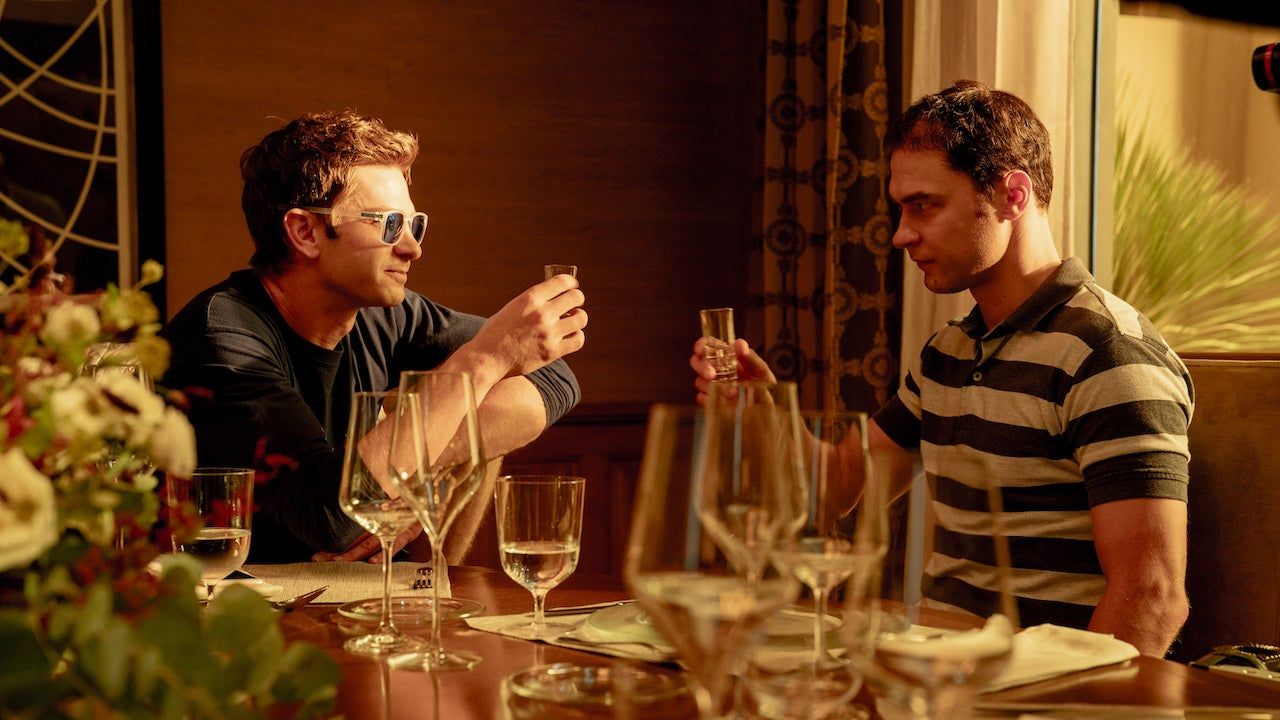
The night the film rolled out at the New York Film Festival, a hush fell over the audience as Luca Guadagnino guided us through a decade‑long odyssey of machine learning, from the early days of Sam Altman at OpenAI to the present‑day anxieties that surround every algorithm. In the opening frame, a young Ilya Sutskeverportrayed by Yura Borisovtosses a stack of Pringles into a makeshift standing desk, a quirky visual that signals the film’s blend of humor and dread. The scene is simple, but it sets the tone: the future is built on a foundation of playful ambition, yet the stakes are anything but playful.
The film opens in 2003, a time when artificial intelligence was still a laboratory curiosity. Ilya Sutskever is described as an “eccentric, eager, prodigy incapable of lying,” a description that humanises a figure who would later become a key architect of modern AI. Working alongside Toronto University professor Geoffrey Hintonplayed by Mark RylanceSutskever’s dream is not merely to create machines that think, but to make the process itself a creative act. The Pringles desk, a playful invention, becomes a metaphor for the ingenuity that drives the field. It is a reminder that the early pioneers were not just coders; they were artists, tinkering with the very idea of intelligence.
As the narrative progresses, the film shifts to the rise of Sam Altman, now co‑founder and CEO of OpenAI. Guadagnino’s lens does not shy away from the corporate ambitions that underlie the technology. The script, written by Simon Rich, lays bare the “good intentions” that have, paradoxically, seeded the current “hellscape” we face. The film does not simply present Altman as a visionary; it interrogates the moral compromises that accompany rapid advancement. The portrayal is neither a love letter nor a condemnation; it is a balanced, almost clinical observation of how ambition can blur ethical lines.
Guadagnino’s style is unmistakably cinematic. He interjects moments of satire, especially when he pokes fun at figures such as Dario Amodei, Elon Musk, and Altman themselves. The humor feels disarming because it is grounded in the reality that these leaders are still alive, still shaping the world. The film does not let us laugh too easily, because the consequences of their decisions ripple through society today. By juxtaposing playful scenes with stark commentary, the director creates a tension that mirrors the real world’s uncertainty about AI’s trajectory.
One of the film’s most compelling aspects is its insistence on humanist values. Even as it chronicles the ascent of machine learning, Guadagnino never lets the narrative become a mere technical exposition. Instead, he frames the story around the question: what makes us uniquely human? The film’s “thrilling, creative and provocative telling” reminds viewers that artmusic, film, literatureremains a bastion of human expression, a counterweight to the cold logic of algorithms. The narrative invites the audience to consider whether we can preserve our humanity in a world where technology increasingly mimics, and sometimes surpasses, human cognition.
From my own perspective as a writer who has watched the AI boom unfold across continents, the film’s urgency feels palpable. It is not a warning that we must abandon technology; it is a reminder that we must keep our creative and moral compass intact. The story of Sutskever and Hinton illustrates that the roots of AI are not just technical, but deeply human. The film’s humor and critique serve as a mirror, reflecting the paradox of our era: we are both the architects and the potential victims of the systems we build.
In closing, “Artificial” does more than dramatise the rise of machine learning; it offers a cinematic blueprint for how we might navigate the ethical terrain ahead. By weaving together real figures, genuine ambition, and a clear humanist message, Guadagnino’s film challenges us to ask: will our future be defined by the algorithms we create, or by the stories we still choose to tell? The answer, it seems, lies in the next chapter of our collective narrative.


