News
Bari Weiss' Foreign Editor Threatens CBS Correspondent in Clash Over Citing Palestinian Gaza Deaths
The room in CBS News’ headquarters had the sterile hush of a newsroom meeting, the kind that usually ends with a nod and a slide of a new story.
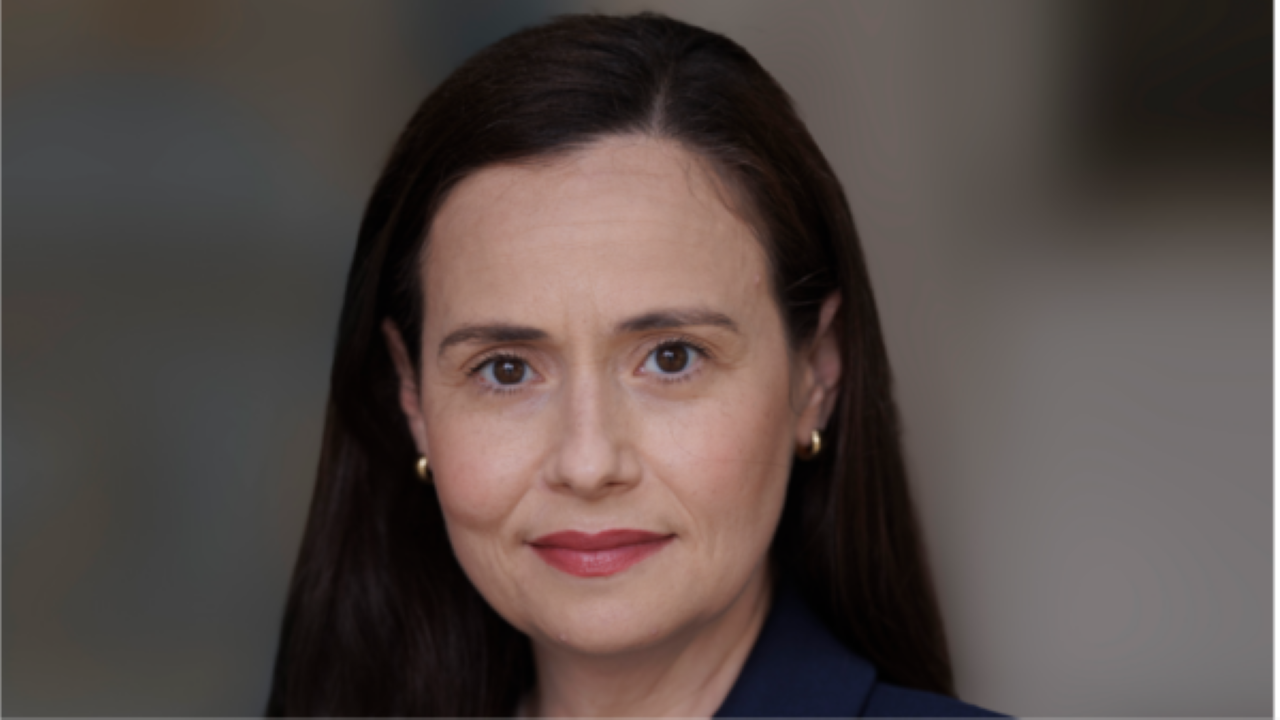
The room in CBS News’ headquarters had the sterile hush of a newsroom meeting, the kind that usually ends with a nod and a slide of a new story. Instead, it erupted into a standoff when Shayndi Raice, the network’s foreign editor, declared that any reporter who did not “answer to that hierarchy” would face dismissal. The trigger? A debate over how many Palestinians had died in Gaza during the network’s coverage of the third anniversary of the Oct. 7 attack.
When CBS News aired its evening segment on the anniversary, it listed the Israeli death toll but omitted the Palestinian figure. Shayndi Raice had stepped in, insisting that the segment also show Israeli casualties and separate Palestinian deaths into civilians and combatants. She argued that the added detail would make the story “too complicated.” The reporter on the ground, Holly Williams, said she was told to make the changes “as written” without room for negotiation. She also complained that the segment had removed allegations against Benjamin Netanyahu that CBS had not verified, a point Raice said was dropped because the prime minister had denied them.
The clash unfolded in a 15‑minute meeting that, according to leaked audio, was recorded by a source. Raice’s tone was firm, reminding staff that CBS was a company with a hierarchy that could not be ignored. “If you can’t answer to that hierarchy, and you don’t listen to what we say, that is called insubordination,” she warned. Her words were not just about the death toll; they were a broader assertion of editorial control.
Broadcast journalism, the line between editorial judgment and managerial oversight can blur. Raice’s insistence on a “non‑negotiable” change reflects a belief that the network’s brand and credibility hinge on a consistent narrative. Yet Williams’ frustration highlights a different reality: reporters on the ground often feel they are the ones who know the story best. She felt her professional judgment was overridden, a sentiment that resonates with many journalists who see their craft reduced to a series of directives.
The tension mirrors a larger cultural shift in media, where the speed of information and the pressure to present balanced views collide with corporate interests. In this case, the corporate interest was a desire to avoid potential legal pitfalls by not repeating unverified claims about a sitting prime minister. The journalistic interest was to present a full picture of casualties, including the Palestinians who had suffered under the blockade.
Raice’s reference to the Palestinian death toll as a “magic number” was more than a casual remark. It suggested that repeatedly citing a single figure could become performative, a way to signal solidarity without substantive reporting. This stance has implications for how audiences consume conflict news. If a network chooses to omit or downplay certain figures, viewers may receive an incomplete understanding of the human cost on both sides of the conflict.
The debate also touches on the ethics of reporting in war zones. Journalists often grapple with the responsibility to report facts while protecting sources and themselves. By insisting on a more nuanced breakdown of casualties, Raice aimed to provide context that could prevent the narrative from becoming one‑dimensional. Williams, however, saw this as an unnecessary complication that could dilute the urgency of the story.
From my own perspective, this clash feels like a microcosm of the broader struggle between editorial integrity and corporate governance. In a field where every word can shape public opinion, the decision to include or exclude a number is never neutral. It is a choice that can influence policy discussions, diplomatic relations, and, most importantly, the lives of ordinary people caught in the crossfire.
The fact that a senior editor would threaten to fire a correspondent over a single figure underscores how high the stakes are. It also raises questions about the autonomy of journalists media conglomerates wield significant influence over the narrative.
The fallout from this meeting is still unfolding. A CBS News representative has yet to comment, and the network’s Editor‑in‑Chief, Bari Weiss, remains a looming figure in the editorial hierarchy. Whatever the outcome, the incident serves as a reminder that the newsroom is not just a place of reporting but a battleground for ideas, values, and power. The next time a story about Gaza or any conflict reaches the airwaves, it will carry the echo of this confrontation, reminding viewers that behind every headline lies a complex web of decisions, negotiations, and, sometimes, threats.


