News
Bathing Suits are bringing deranged noise-punk to the dancefloor
A chaotic afternoon in Manchester turns into a living laboratory for the future of noise‑punk, and the people who feel its pulse are the band Bathing Suits and the crowds that chase them.
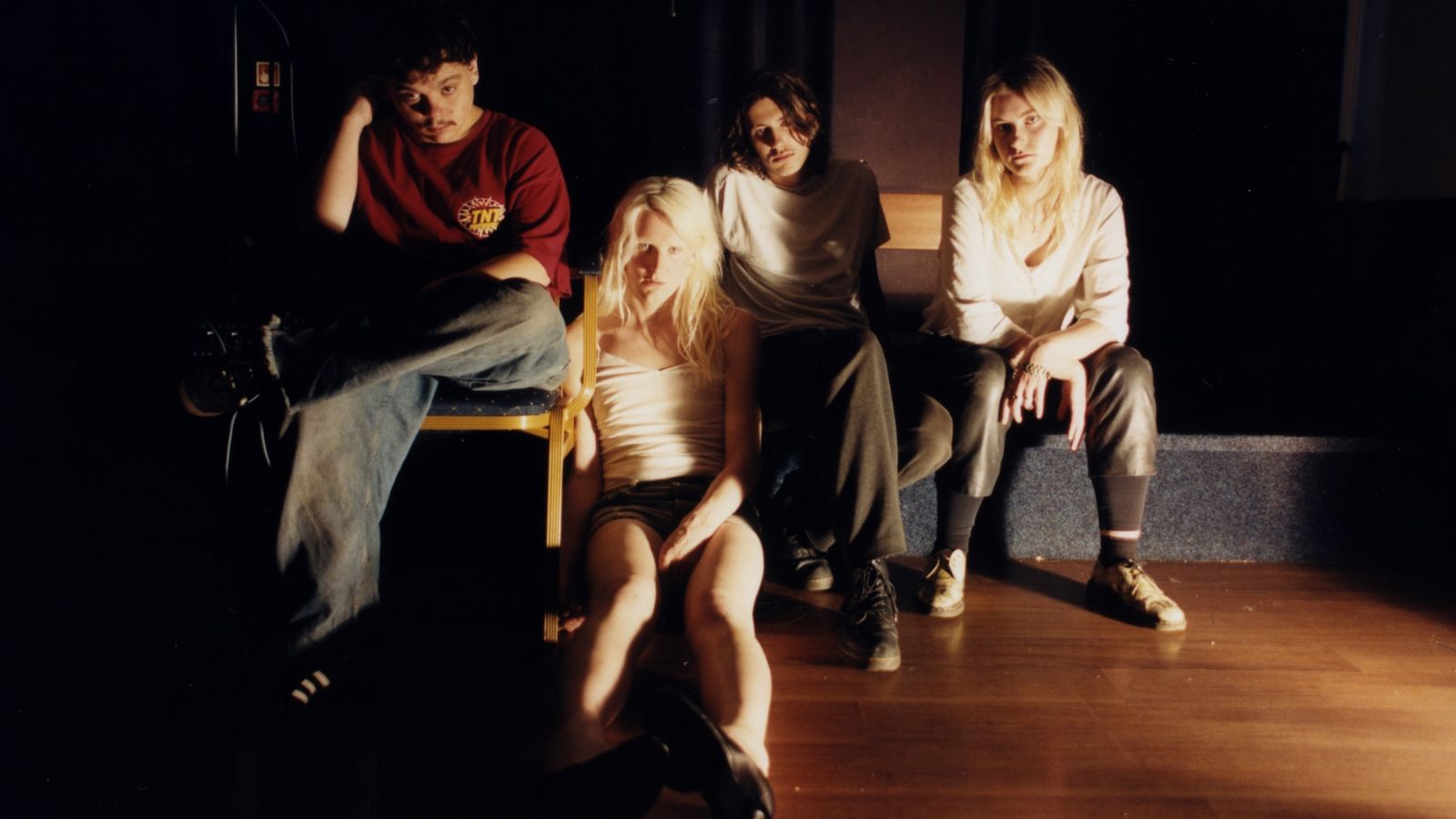
A chaotic afternoon in Manchester turns into a living laboratory for the future of noise‑punk, and the people who feel its pulse are the band Bathing Suits and the crowds that chase them. In the murk of cigarette haze and traffic clatter, the four‑piece from Leeds proves that the raw, unfiltered energy of industrial freak pop still has a place in the UK’s music scene. For the band’s membersFreyja Blevins, Alex Mulholland, George Dickinson, Elise Hughesand the fans who line up outside Gorilla, the question isn’t whether they’re loud enough; it’s whether their noise can translate into something that matters beyond the venue.
Noise‑punk has always been about breaking the rules, and Bathing Suits do it by literally turning the environment into their stage. The interview itself, conducted amid honking buses and passing bikes, mirrors the band’s ethos: chaos is not a flaw, it’s a feature. The fact that the recorder had to be passed around because of the surrounding racket tells us the band thrives in disorder. If you’ve ever tried to listen to a song in a crowded street, you’ll understand why the band’s claim that “submitting to noise is what we’re all about” resonates. Their music“I Can Be a Freak,” the Estelle‑sampling stomperpushes the envelope of what a pop song can be, layering industrial grit with pop hooks in a way that feels both rebellious and oddly accessible. This hybridization is exactly why they’re being compared to the likes of Idles and Gilla Band, but with a twist that keeps them from being pigeonholed.
The band’s rapid rise from Leeds to French clubs and now to opening for Man/Woman/Chainsaw shows a trajectory that many indie acts dream of. Yet their decision to tone down on‑stage punch‑ups and gear damage is a pragmatic pivot that reflects the realities of scaling up. Elise Hughes admits, “I completely destroyed my bass at our gigs in France this week, so it’s still in the shop.” The band’s willingness to acknowledge these practical limits while still maintaining their “silliness” shows maturity. It signals a shift from being a local punk phenomenon to a scene luminary that must balance raw energy with sustainability. The fact that they’re still in their early twenties makes this balancing act all the more impressive.
Everyone loves the narrative that a noise band can rise from nowhere, but Bathing Suits demonstrate that the industry still demands a certain level of professionalism. The need to stop “starting punch‑ups on stage” and to keep instruments from falling off stools is a reminder that even the most anarchic acts must navigate logistical constraints. This is a subtle jab at the conventional wisdom that “rawness equals authenticity.” The band’s experience proves that authenticity can coexist with practicality. They are not abandoning their roots; they are refining them to fit a broader audience without compromising their core ethos.
By 2025, I predict Bathing Suits will release a concept album that fuses industrial noise with mainstream pop structures. Their current trajectorymixing Estelle samples with punk energysuggests they’re already experimenting with cross‑genre appeal. If they keep this momentum, a polished yet uncompromising record could place them alongside acts like Idles, but with a distinct pop edge that attracts radio play without diluting their identity.
The real story is about the fans who come out despite the traffic, the smoke, the noise. Their willingness to endure a “fucked” soundscape shows a commitment to the music that goes beyond passive listening. They are the reason the band feels safe to push boundaries. Their presence validates the band’s choice to keep the noise alive in a world that increasingly favors polished, algorithm‑driven sounds.
In a music industry that prizes viral hits and instant branding, Bathing Suits remind us that meaning can be found in the tension between destruction and reconstruction. They are not just making noise; they are crafting a cultural moment that challenges the status quo, proving that even in a world that loves convenience, there is still room for chaos that feels alive and real.


