News
Breaking Bad star Aaron Paul shares new heartbreaking tribute to 'Superman' RJ Mitte
The world of television was never quite the same when RJ Mittethe young actor who played Walter White Jr. On Breaking Badleft it in 2026.
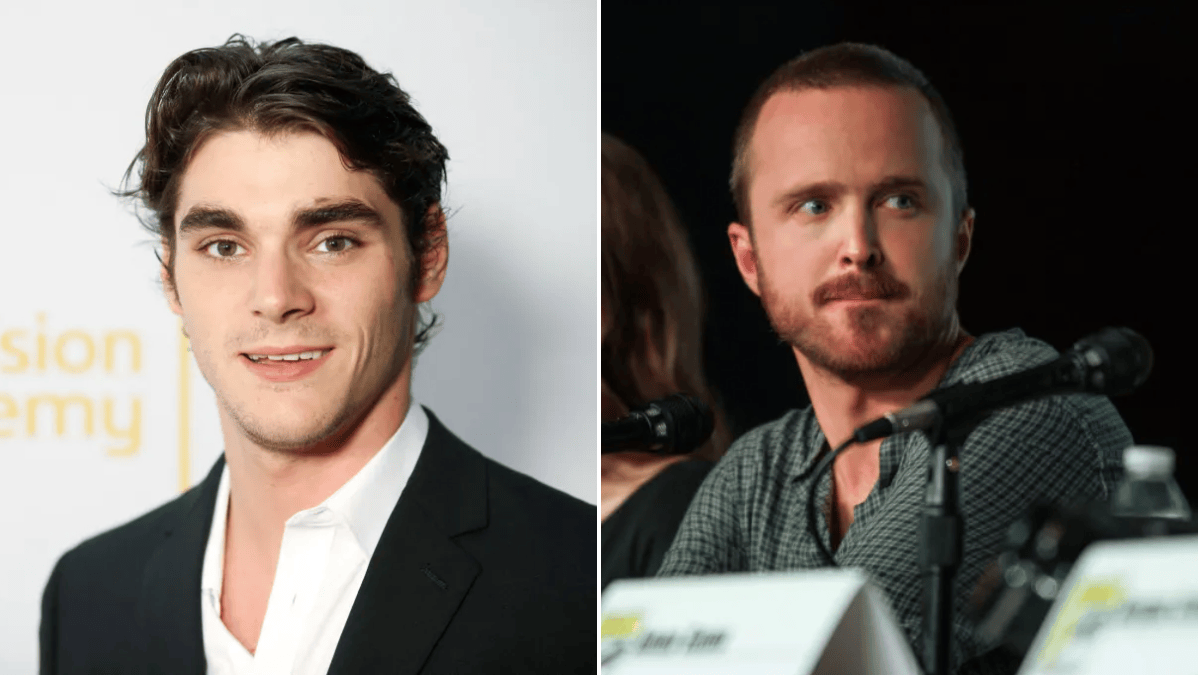
The world of television was never quite the same when RJ Mittethe young actor who played Walter White Jr. On Breaking Badleft it in 2026. He was only 34, and his death by suicide disrupted fans, co‑stars and disability‑rights advocates alike. The raw grief that followed was captured in an Instagram post from Aaron Paul, who, in a candid moment, confessed that he had never truly known the pain his friend carried. For the people who watched Breaking Bad and saw a boy with cerebral palsy grow into a resilient, confident adult, this revelation hits harder than any plot twist. It reminds us that the screens we love often hide the very human battles that play out behind the scenes.
Mitte’s Instagram clip was a quiet, almost whispered reminder that mental health matters as much as physical health. He urged viewers to acknowledge their feelings and to reach out when darkness creeps in. For a generation that has grown up idolizing the show’s anti‑hero, seeing the actor who played his son speak so candidly about vulnerability is a powerful, unsettling call to action. The fact that a star of his stature felt the need to publicly advocate for mental‑health awareness signals a shift in the entertainment industry: the era of stoic, unflappable talent is ending, and with it comes an opportunity for more honest conversations.
In his caption, Paul wrote, “RJ, you have always been an inspiration for so many. I am so sorry you were hurting, my friend.” This is more than a public apology; it is an acknowledgment that fame can blind us to the quiet suffering of those around us. Paul’s description of the last time he saw Mittecalling him “Superman” because of his “kindness and strength”is a stark reminder that heroes are made of flesh and blood. By naming the loss, Paul turns a generic tribute into a personal confession, giving his audience a chance to reflect on the limits of their own awareness.
When a figure like RJ Mitte steps into the public eye as a disability advocate, his story becomes a conduit for broader conversations about inclusion and representation. His death, and the subsequent outpouring of tributes from co‑stars such as Bryan Cranston, Dean Norris, and Bob Odenkirk, illustrate how a single narrative can ripple across an industry. Yet, the narrative is not just about tragedy; it is also about resilience. Mitte’s willingness to speak openly about his own challenges, coupled with Paul’s heartfelt apology, creates a template for how public figures can use their platforms to foster empathy rather than merely consume it.
If the response to Mitte’s passing and the ensuing dialogue is any indicator, we can expect a measurable rise in mental‑health initiatives within entertainment guilds and production companies. Within the next two years, I predict that the Writers Guild of America and the Screen Actors Guild will introduce mandatory mental‑health workshops for all cast and crew, mirroring the early steps taken by some studios in the wake of high‑profile suicides. This shift will likely extend beyond Hollywood, influencing Canadian and UK productions that have historically lagged in this area.
The media often frames such deaths as isolated incidents, glossing over systemic issues like inadequate support structures for actors with disabilities. By focusing on the individual tragedy, the industry risks perpetuating the myth that mental illness is a personal failing rather than a societal problem. Aaron Paul’s public admission challenges this narrative, suggesting that the responsibility for mental‑health care is collective, not individual. It forces the conversation out of the private sphere and into the public domain, demanding accountability from production houses, agencies, and audiences alike.
The final line of Paul’s post“Life is so damn special. There is so much going on in all of our lives but far too much beauty in this world to ignore.”serves as both a lament and a rallying cry. Fans, who often consume content passively, are now being asked to engage more deeply with the people behind the characters. Creators, on the other hand, are being reminded that the stories they tell can have real‑world consequences. The message is clear: the entertainment industry must evolve from a culture of spectacle to one of responsibility.
The loss of RJ Mitte is not just another headline. It is a stark reminder that the people who bring our favorite shows to life are just as vulnerable as the characters they portray. Aaron Paul’s tribute, with its raw honesty and personal apology, forces us to confront the uncomfortable truth that fame does not shield anyone from mental‑health struggles. As we mourn, we must also act, ensuring that the next generation of actorswhether they have disabilities or nothas the support they need to thrive both on and off the screen.


