News
California Ticket Resale Cap Bill Fails to Move Forward
The California ticket resale cap bill, AB 1720, has hit a roadblock. For fans like Noah Kahan, who has been advocating for stricter ticketing laws, this setback is a bitter pill to swallow.
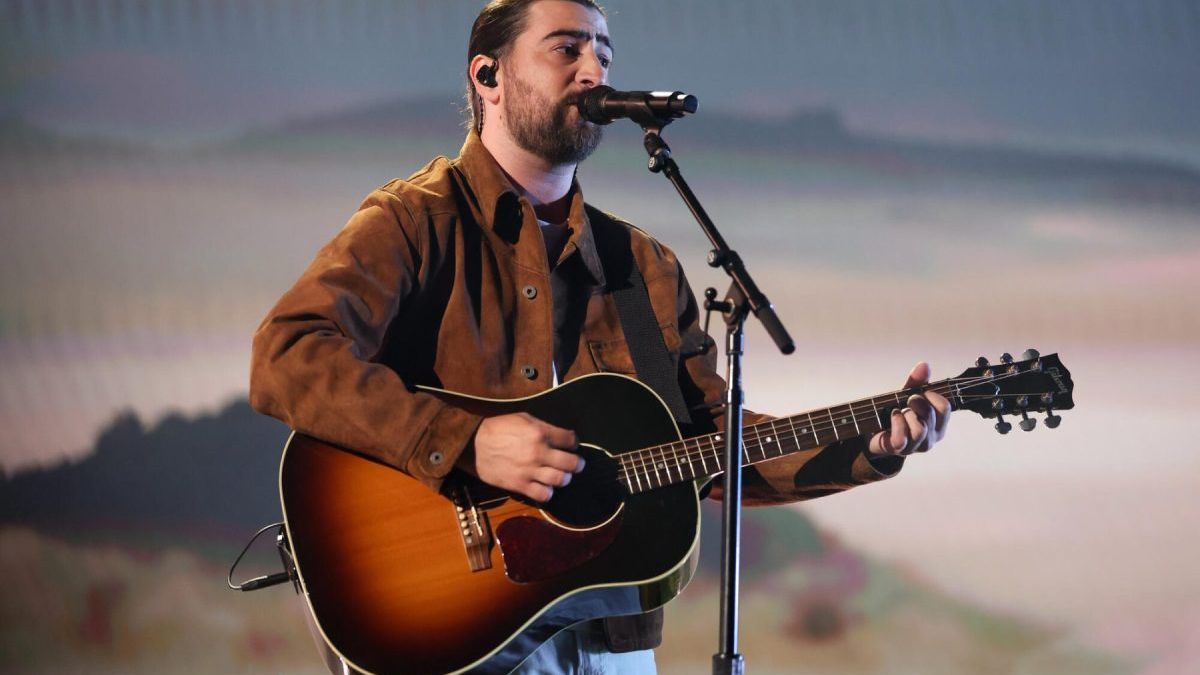
The California ticket resale cap bill, AB 1720, has hit a roadblock. For fans like Noah Kahan, who has been advocating for stricter ticketing laws, this setback is a bitter pill to swallow. "I love my fans and want to protect them," he said in a statement. But what does this mean for fans, artists, and venues? And why did the bill fail to move forward?
One major reason the bill stalled is the aggressive lobbying efforts from secondary ticketing companies like StubHub. The company spent a whopping $3.4 million opposing the legislation, according to publicly available records. This is not surprising, given that StubHub's business model relies on reselling tickets at inflated prices. The company claims to be giving fans access to live events on their own terms, but in reality, it's profiting from speculation and artificial scarcity.
State assembly member Matt Haney introduced AB 1720 in February, aiming to make it illegal to resell concert, theater, comedy, or other live entertainment tickets at a price higher than face value plus 10% for shows taking place in California. Haney believes that the bill would have helped remove the incentives that fuel predatory ticket resale while still allowing fans to resell their tickets and recover their costs. But despite the bill's noble intentions, it faced opposition from the very industry it aimed to regulate.
The California bill's failure to move forward is a stark reminder of the power imbalance in the ticketing industry. Fans, artists, and venues are losing out while middlemen like StubHub extract more and more profit. As Haney pointed out, it's not surprising that a bill designed to put power back in the hands of fans and artists faced opposition from an industry that profits from speculation and artificial scarcity.
The bill was backed by the National Independent Venue Association (NIVA) and the local NIVA CA chapter, which represents independent venues with a capacity of 3,000 or fewer. With the amendments to the bill, it would have only impacted these smaller venues, not larger arenas and stadiums. However, the bill's failure to move forward means that these independent venues will continue to be vulnerable to predatory ticket resale practices.
In the absence of stricter ticketing laws, fans can expect to continue paying inflated prices for concert tickets. The ticketing industry will continue to profit from speculation and artificial scarcity, leaving fans and artists in the dust. Unless there is a major shift in the industry's business model, fans like Noah Kahan will continue to advocate for change.