News
Celebrity Traitors isn't living up to last season because of a fatal flaw
Celebrity Traitors just isn’t hitting the same high‑energy, unpredictable groove that made last season a binge‑watch staple.
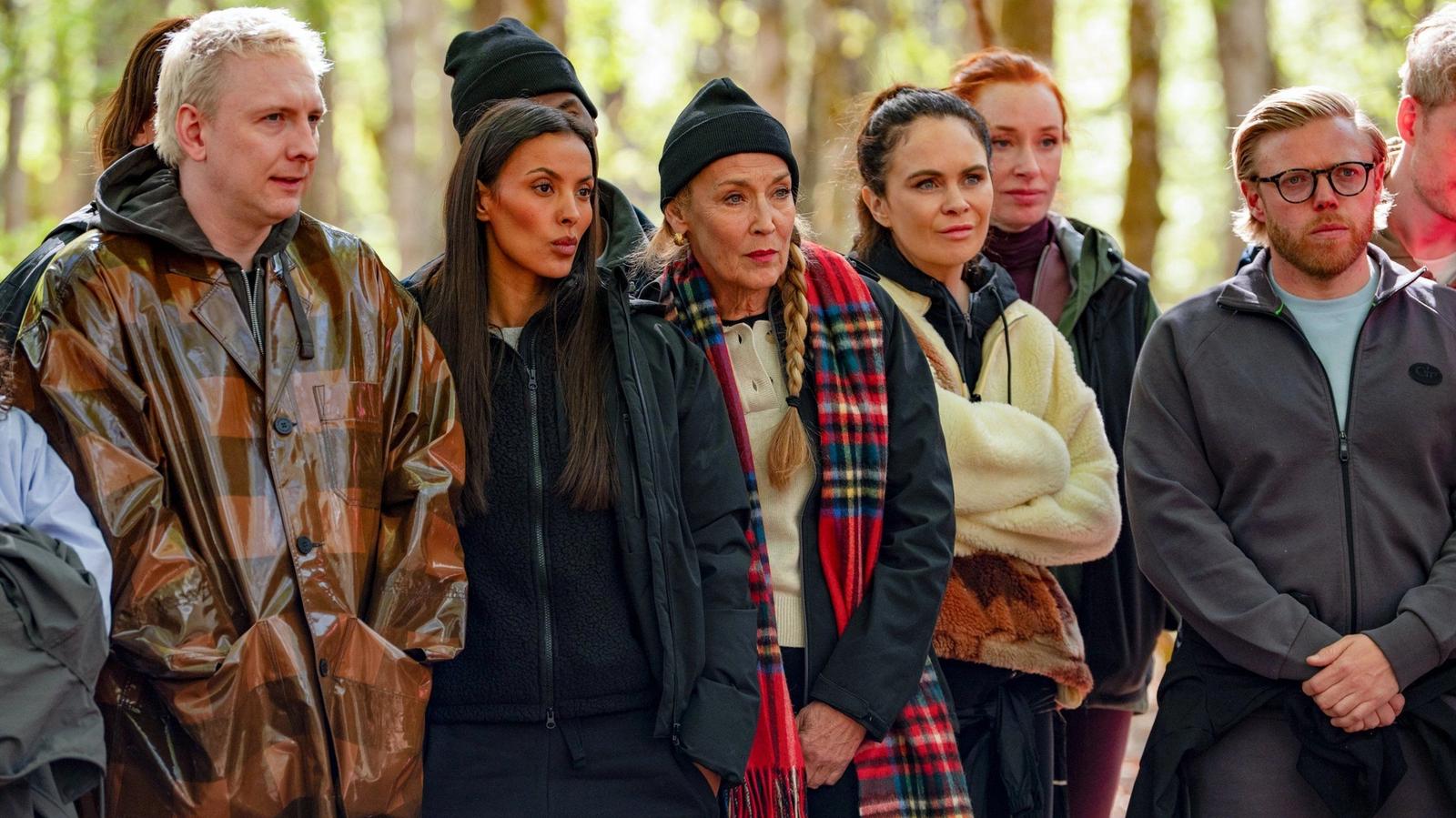
Celebrity Traitors just isn’t hitting the same high‑energy, unpredictable groove that made last season a binge‑watch staple. The BBC’s second season of the game‑show‑meets‑murder‑mystery feels like a half‑hearted rehearsal, and the culprit? A fatal flaw that’s turned the cast from cunning conspirators into a group of polite, charity‑driven participants who can’t quite get behind the knife‑slinging drama that defines the format.
The first season’s shock factor came from Richard E Granthis traitorous identity was revealed right off the bat, throwing the whole house into a frenzy. In season two, that initial chaos is missing. Grant’s early exit from the game meant the audience lost that instant, adrenaline‑boosting twist. The show now feels like a slow burn, with the players’ strategies unfolding at a pace that’s more “tea‑time” than “thriller.” It’s like watching a chess match when you expected a street‑ball scrimmage.
Unlike the civilian version, the celebrities aren’t fighting for a life‑changing prize. They’re competing for a charity fund, which is noble but changes the stakes. The pressure to win is replaced by the desire to keep a clean public image. Joe Lycett is the poster child for this shift. He’s happily advertising his “recruitment” to anyone who will listen, but his antics come with a disclaimer: “take everything I say with a healthy dose of salt.” That self‑aware humor signals a lack of seriousness. The show’s tension is diluted when the contestants are more concerned about how the audience will perceive them than about the game’s brutal mechanics.
The most glaring example of the show’s softness came at the end of episode five. The celebrities up for murder quickly agreed to protect Leigh‑Anne Pinnock. In the civilian version, players would have chased one another through the woods, debating alliances and betrayals. Here, the decision was almost a collective sigh. The only real threat to the contestants is the “bad edit” that could tarnish their public image, a far less compelling danger than the possibility of being eliminated from a cash prize.
Maya Jama has been the one pushing the other playersHannah Fry and James Acasterto step up their game. She’s trying to get them to act like “half decent conclave members,” to splatter the walls with blood, so to speak. Yet the celebrities seem reluctant to “knife one another in the back.” Their focus on charity and public perception keeps them from fully embracing the dark, strategic side of the show. The result is a series that feels more like a polite dinner party than a high‑stakes thriller.
Look, the concept of Celebrity Traitors is brilliant. Mixing the intrigue of a murder mystery with the star power of the BBC’s most beloved personalities should be a recipe for pure entertainment. But the current season’s fatal flaw is the lack of genuine stakes. The celebrities are playing a game that feels more like a charity fundraiser than a battle for survival. That makes the drama feel flat, the alliances weak, and the betrayals predictable.
If the show wants to recapture the magic of its first season, it needs to re‑introduce the high stakeswhether that means a bigger cash prize or a stronger emphasis on the consequences of betrayal. Until then, the audience will be left wondering whether they’re watching a reality show or a charity event. The next season will have to decide: will the celebrities finally embrace the knife‑sharp tension that made the first season unforgettable, or will they continue to play it safe, protecting their public image over the thrill of the game?


