News
Chad Lowe's eldest daughter shares heartbreaking tribute after death of sister Fiona, 13
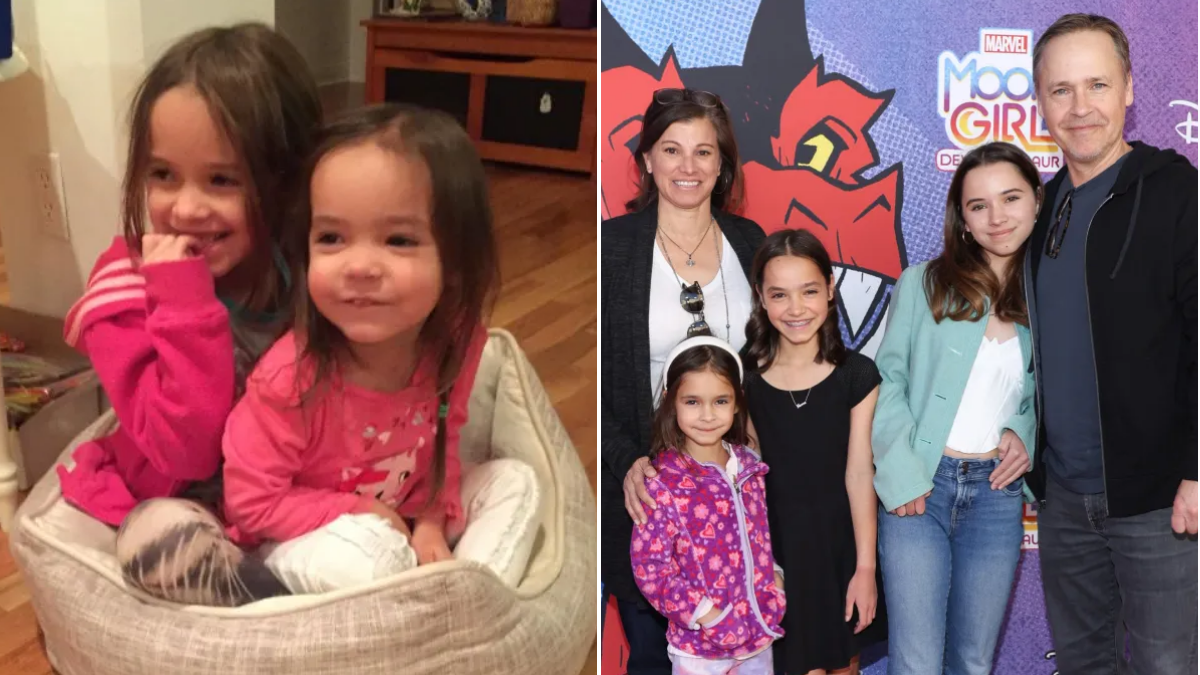
The loss of Fionaa 13‑year‑old with a bright smile and a passion for dancehits the Lowe family hard, but it also sends a stark warning to a generation of teens who feel invisible in the noise of social media. When Mabel, the eldest daughter, posted a thread of childhood photos, the world watched a family grieve in real time, while the silence that followed revealed how many of us are still unprepared to talk about mental health.
Mabel’s Instagram captions were simple: I love you so much fiona ❤️ i wish your short time here was easier and i hope your mind is at ease now. The imagessand, ballet, and a candid family momentwere not just memories; they were a lifeline for her. By sharing them publicly, Mabel broke the taboo that often surrounds teenage depression. The comments that flooded the post, from Billie Lourd to David Boreanaz, showed that grief can be a communal experience, but also that the weight of a single death can ripple across a network of strangers who suddenly feel compelled to act.
The County of Los Angeles Medical Examiner’s confirmation that Fiona’s death was a suicide is a grim reminder that the statistics we see on news feeds are not just abstract numbers. They represent a child who, according to the family statement, was “smart, creative and loved to dance.” Yet the same family also described her as “the light of our lives.” The contrast between her outward joy and her inner struggle illustrates the gap that still exists in how we recognize mental health symptoms in adolescents. The crisis hotline details included in the family’s statement are a lifeline that, if more widely shared, could save lives.
When actors like David Boreanaz and Billie Lourd posted condolences, it was easy to see them as mere fan gestures. However, their messages included practical adviceIf you or someone you know is experiencing such difficulties, you can contact the lifeline by calling or texting 988. This is a rare moment when public figures use their platform to direct people to real help. It shows that celebrity influence can be harnessed for public good, but only if the message is genuine and actionable. The fact that these actors chose to mention the suicide hotline suggests a growing awareness that mental health is a public issue, not a private one.
The Lowe family’s plea for privacy and prayer underscores a paradox: while the family wishes to keep their grief private, the public nature of social media forces them into the spotlight. Parents and educators must learn to balance privacy with the need to create safe spaces for children to discuss mental health. Schools can model this by integrating mental‑health education into the curriculum, while parents can foster open dialogue at home. The tragic loss of Fiona should be a catalyst, not a footnote, in this conversation.
Prediction: Within the next six months, I expect to see an uptick in mental‑health campaigns launched by Hollywood studios, prompted by this high‑profile case. Studios will likely partner with crisis hotlines to embed support resources into their platforms, turning fan engagement into real‑world help.
The story of Fiona is not just a headline; it is a mirror held up to society. It forces us to ask: Are we listening to our children? Are we offering the support they need before they reach the point of no return? The answer is clear: no, we are not. And that is the real tragedy.