News
Chris Hansen has finally watched Primetime, gives Robert Pattinson's performance a "D"
Chris Hansen, once the face of a national hunt for predators, finally sat down to watch the film Primetime, a biopic he had long urged others to avoid.
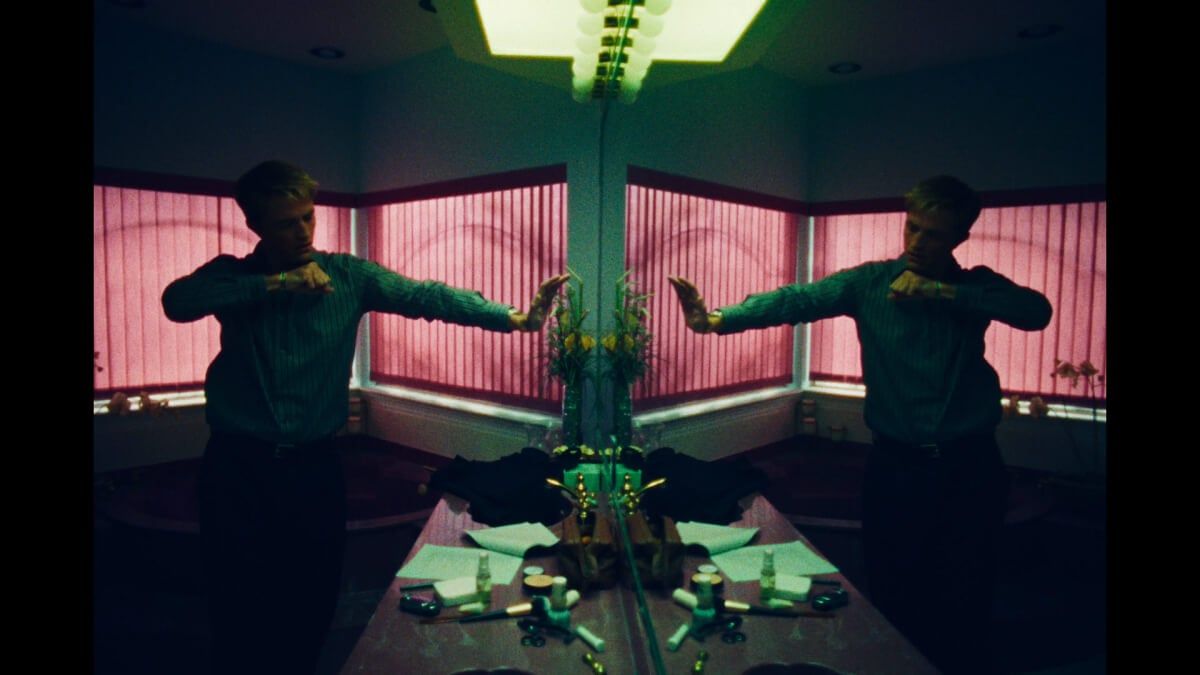
Chris Hansen, once the face of a national hunt for predators, finally sat down to watch the film Primetime, a biopic he had long urged others to avoid. In a quiet moment before the cameras, he told his own podcast audience that the movie was “98 percent pure fiction.” The interview, filmed for his Have A Seat show, revealed a mix of irritation and reluctant acceptance as he weighed the film’s portrayal of himself and the actor who plays him, Robert Pattinson.
The scene opened with Hansen, the former To Catch A Predator host, turning the screen toward himself. He paused, then said, “It’s fine.” The comment came after a long silence, a pause that felt like a confession rather than a statement. The camera caught a flicker of unease when he noted the film’s depiction of him as a distant father, a characterization he called “meaningless” and “untrue.” That was the only place he let a hint of emotion surface, a brief, genuine reaction that surprised viewers who had seen him deliver scripted lines before.
Hansen’s critique focused on the director, Lance Oppenheim, whom he called a “love letter” writer. The film, according to Hansen, stretched reality to 98 percent. He singled out a scene where Jeff Zucker, a former NBC News executive, plays himself, engaging in a conversation with Pattinson’s version of Hansen that never happened. Hansen described the scene as a “fictional fabrication,” a moment that seemed to underscore his broader complaint that the movie had misused his name, image, and likeness.
In the Have A Seat episode, Hansen framed his comments as a strategic move. He explained that he was “too busy being the real Chris Hansen to worry about a fake one,” a line that echoed earlier statements he had made on other platforms. He added that he would “use it to my benefit for all the great projects that we have in the works,” hinting at future media ventures. His tone suggested that, while he disapproved of the film, he could still leverage its publicity for his own career.
During the interview, Jesse Waters, a Fox News host, pressed Hansen on his reaction. Hansen answered with a mix of defensiveness and resignation. He admitted that the film was “far from reality” and that it would “not even bother me.” Yet he also said that he had received a message from Oppenheim that the movie was intended as a love letter, a sentiment that complicated his public stance.
Hansen’s comments about Pattinson were notably softer. He acknowledged that Pattinson had been “very gracious in his comments about me,” a brief nod that seemed almost an afterthought. The film’s portrayal of Pattinson, as Hansen noted, was not the focus of his critique; instead, he concentrated on how the movie distorted his own life story.
As the episode drew to a close, Hansen’s voice shifted from criticism to a cautious optimism about future projects. He implied that the film’s notoriety might open doors, even as it exposed him to public scrutiny. The final takeaway is that a man who once chased down predators is now navigating the complicated terrain of media representation, balancing self‑preservation with the desire to control his narrative.


