News
CNN and CBS News Will Stay Separate Under Skydance. But How Much Can They Share?
CNN and CBS News will remain editorially separate under Skydance, but the question of how much they can share has already begun to ripple through the newsroom.
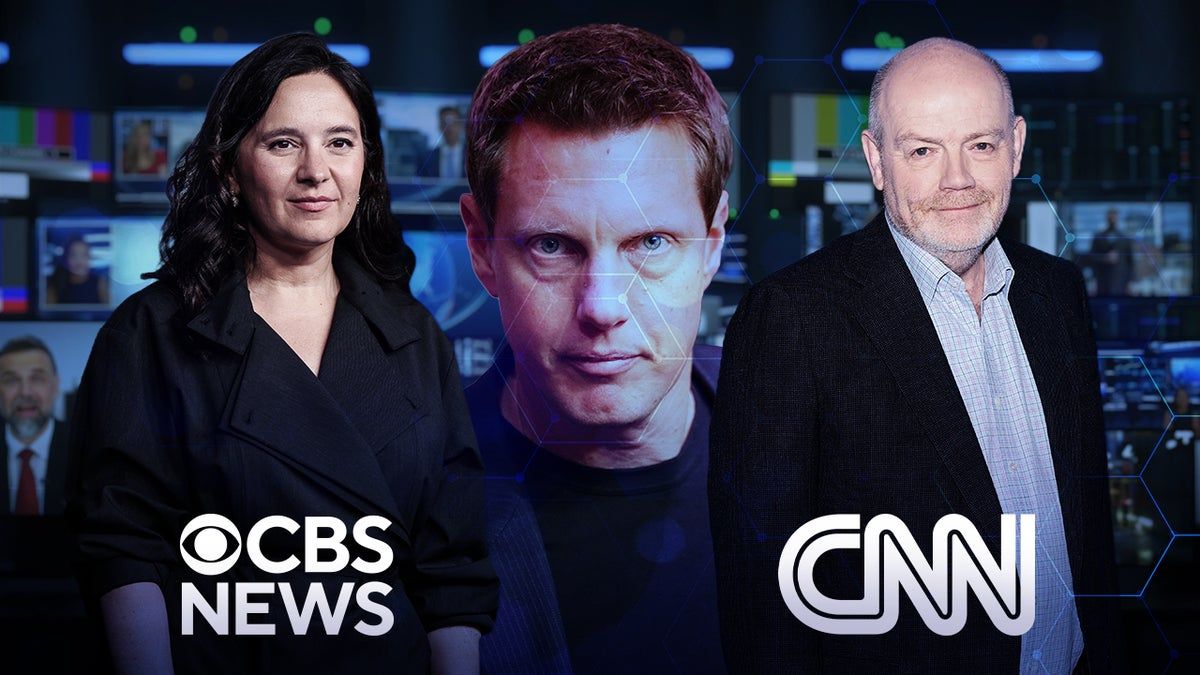
CNN and CBS News will remain editorially separate under Skydance, but the question of how much they can share has already begun to ripple through the newsroom. On a brisk Thursday morning in New York, the glass doors of the CBS News headquarters opened to reveal a familiar scene: reporters in crisp suits huddled around a whiteboard, the glow of monitors reflecting the city skyline. Across the street, at a different building, CNN’s team was already assembling a live feed for a breaking story. The two rooms were separated by a wall of glass, a visual metaphor for the promise Skydance has made: two distinct voices under one corporate umbrella.
Skydance’s merger of Paramount and Warner Bros. Discovery, worth $110 billion, carries a staggering $80 billion in debt. The company’s chief aim is to trim at least $6 billion from merger costs, and it has already signaled that many of those savings will come from operational efficiencies rather than layoffs. “Combining office space, technology and production facilities could yield savings without affecting editorial decisions,” Skydance executives have said. In practice, that means shared servers, joint studio spaces, and a consolidated tech support teamcostly but invisible to the audience.
When asked on CNBC whether CNN and CBS News could merge newsgathering operations, co‑CEO Ynon Kreiz replied, “This isn’t about cost savings in this case,” and described the networks as “two separate businesses.” Co‑CEO David Ellison added that “there are absolutely operational efficiencies to be found.” The juxtaposition of these statements paints a picture of a company walking a fine line: eager to cut costs, yet cautious about diluting the independence that defines each brand.
The promise of editorial independence has already sparked skepticism. At a Press Forward Summit in San Antonio, former “60 Minutes” correspondent Scott Pelley recounted how CBS journalists had been assured during Skydance’s 2025 merger with Paramount that the news division would remain autonomous. “That was certainly not the case,” Pelley said. “Today, Skydance would tell you that it’s going to ensure the independence of CNN. I would direct my friends at CNN to observe what just occurred at CBS News in order to make a judgment about how they feel about that.” Pelley’s words echo a broader unease: if one newsroom can slip behind corporate interests, what guarantees are there that the other will stay true to its editorial compass?
Industry insiders suggest that the most straightforward savings lie in shared facilities, technology, and production. However, larger opportunities could emerge from international newsgathering. Consolidating bureaus, crews, and reporting resources would force difficult choices about who covers what storya scenario that could strain the very independence Skydance vows to protect.
Former president of CNN/U.S. Jon Klein warned that “simply living under the same roof does not guarantee anything.” He added that common ownership creates opportunities behind the scenes, but does not automatically translate into editorial unity. Klein’s caution underscores the tension between corporate efficiency and journalistic integrity.
As a writer who thrives on the human stories behind headlines, I find the Skydance experiment both fascinating and fraught. The idea of two storied newsrooms sharing resources while preserving their voices feels like a high‑stakes balancing act. It reminds me of the delicate choreography of a dance troupe: each dancer must maintain their own rhythm while contributing to a cohesive performance.
Skydance’s promise to keep CNN and CBS News editorially independent is a bold statement, but the practicalities of merging two colossal news operations will test that pledge. The company’s focus on cost reductionsparticularly in facilities and technologysuggests that many savings will be behind the scenes. Yet the potential for deeper consolidation in international bureaus raises questions about how editorial decisions will be made. If Skydance succeeds in navigating these waters, it could set a new precedent for media conglomerates: a model where financial efficiency and editorial independence coexist. If it falters, the fallout could ripple through the industry, prompting a reevaluation of how corporate ownership intersects with journalistic integrity. The next few months will reveal whether the glass wall between CNN and CBS News remains a solid barrier or a fragile partition.


