News
Comic conventions are becoming content studios. NYCC is embracing the shift
New York Comic Con is no longer just a fan fest; it has morphed into a full‑blown content studio.
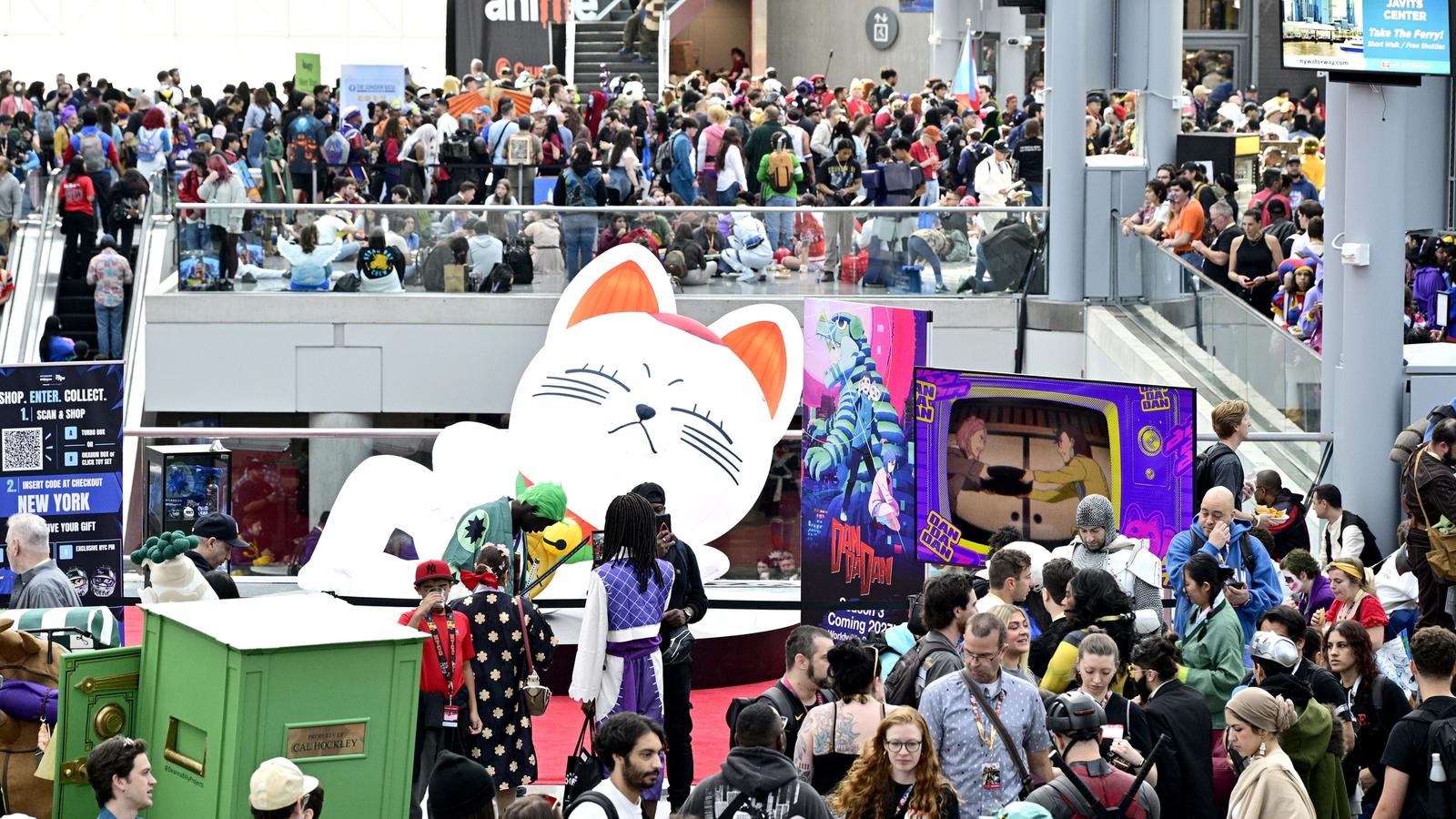
New York Comic Con is no longer just a fan fest; it has morphed into a full‑blown content studio. Thousands of cosplayers, collectors and casual fans flood the Javits Center, but the real currency now is the stream of TikToks, Reels and YouTube clips that spill out of every corner. For creators who arrive armed with cameras, microphones and a ready audience, NYCC has become a production set as much as a playground.
The creator lounge sits high above the crowds, a glass‑enclosed oasis with dedicated Wi‑Fi, editing stations and power outlets. It is a deliberate design choice, aimed at giving creators a backstage pass to the event’s heartbeat. The space lets them film, edit and upload on the fly, turning the convention into a live‑streaming hub. This is not a gimmick; it is a strategic pivot that acknowledges the creator economy’s dominance in today’s pop‑culture consumption.
The Crystal Palace’s banners are no longer static advertising. Their lower panels are crafted with photo and video in mind, a subtle nod to the fact that every attendee is a potential content generator. When cosplayers pose or fans snap selfies, the banners become part of the visual narrative that circulates across TikTok and Instagram. NYCC is betting on the virality of these moments, turning every corner into a potential viral hook.
The shift began in 2021 when NYCC hired two creators to run its TikTok account during the event. The experiment drew over 8 million viewers in just four days, a figure that convinced the organizers to formalise their creator partnership model. Dedicated badges, a lounge and a clear content‑creation workflow followed. The result? A convention that feeds the creator economy while still serving its core fan base.
Conventions have always been about celebration, but the line between fan and creator is blurring. For some, NYCC is a platform to showcase their enthusiasm to a global audience; for others, it is a job, a gig that pays the bills. The event’s new infrastructure supports both roles, ensuring that the content produced is as polished as the cosplay.
If NYCC’s experiment proves successful, other conventionsLondon Comic Con, Toronto Comic Expo, even niche fan gatheringswill follow suit. I predict that within the next two years, every major convention will have a dedicated creator lounge and a social‑media‑centric design. The result will be a new industry standard where the event itself becomes a content pipeline.
NYCC’s evolution reflects a broader truth: in the age of short‑form video, the most valuable part of a convention is the content it generates. The next time you see a banner or a cosplayer, remember that behind the spectacle lies a carefully engineered studio, ready to feed the endless appetite of online audiences.


