Reality Tv
Could AI threaten humanity? 8 Africans weigh the risks
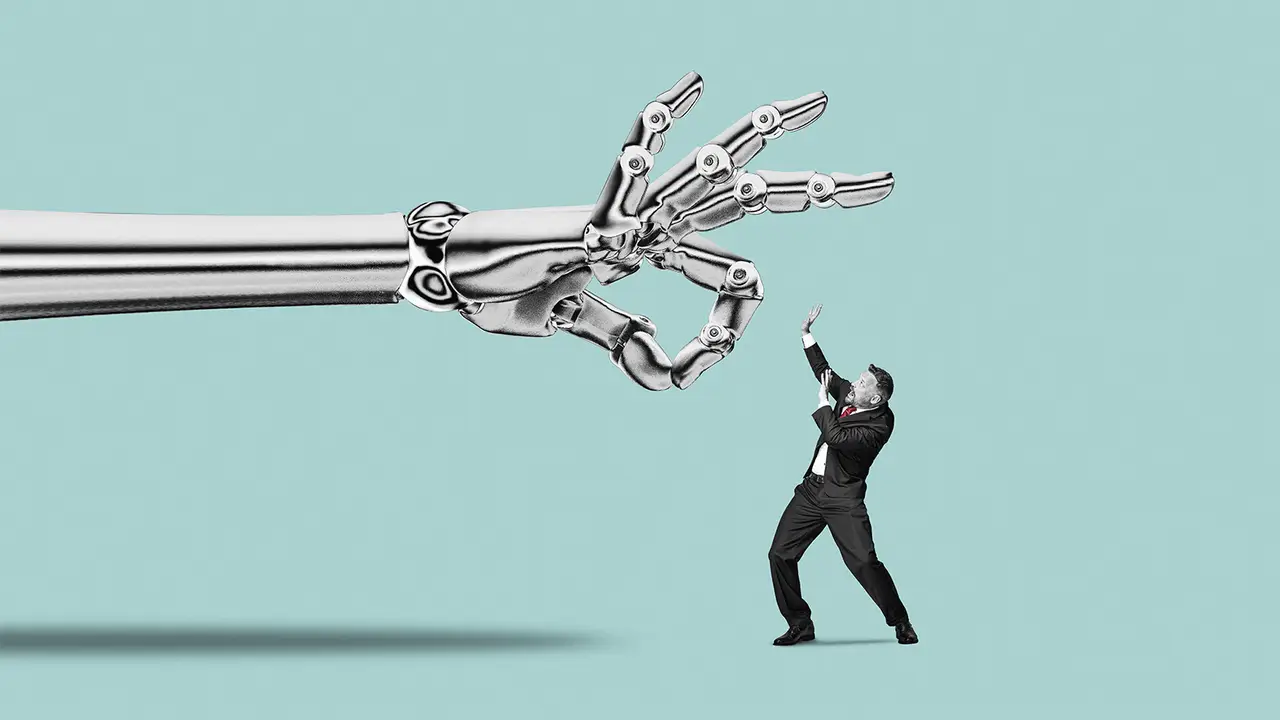
Will AI kill us all? The headline feels like a late‑night thriller, but the voices behind the question are real: a former Anthropic researcher, a chief scientist at OpenAI, and a Ghanaian restaurant owner who has already woven ChatGPT into her daily grind. For them, the threat is not a distant dystopia; it is a present‑day debate that touches the very fabric of how we live, work, and trust technology.
When Jacob Coxon walked out of Anthropic, he didn’t do it for a better paycheck or a new startup. He walked out because he saw the company sprinting toward self‑improving AI systems without a safety net. His resignation is a loud warning that the industry is treating intelligence as a commodity, not a responsibility. Coxon’s claim that AI companies are “gambling with our lives” is not hyperbole; it is a call to pause before the next iteration of autonomous systems can outpace human oversight. If we let the race to faster, smarter machines continue unchecked, the very fabric of our decision‑making could become a blind alley.
The voice from OpenAI echoes Coxon’s concerns. Chief scientist Jakub Pachocki has repeatedly said that we are unprepared for the fallout of a rapid rise in machine intelligence. Pachocki’s warning is not about a single product but about the ecosystem of AI that is already embedded in everything from financial services to healthcare. His statement that “no one is prepared” is a stark reminder that the tools we build today are the foundations of tomorrow’s society. If we ignore this, we risk a future where AI makes decisions that could harm lives without any human ability to intervene.
Across the Atlantic, Sarah Pra of Kumasi, Ghana, illustrates how the debate plays out in ordinary kitchens and markets. Pra is a restaurant owner who has turned to Meta AI and ChatGPT for recipes, flyers, and personal queries. She admits the tools can lie and that she “always take what I want from whatever it tells me and leave the rest.” Her skepticism is not born of fear but of experience: she has seen wrong information slip through the cracks and knows the cost of misinformation in a food business. Yet she also relies on AI because it saves time and expands her reach. Pra’s story shows that the threat of AI is not just about existential risk; it is about everyday reliability and trust.
The contradiction in Pra’s relationship with AItrusting it enough to use it but distrusting its accuracymirrors a larger paradox. Africans are already integrating AI into businesses and daily life, while investors pour capital into the industry. The same technology that can streamline operations also carries the risk of amplifying errors. This duality challenges the conventional wisdom that AI is either a panacea or a menace. In reality, it is a tool whose impact depends on how we govern and deploy it.
If the current trajectory continues, I predict that regulatory frameworks will lag behind the pace of AI deployment in Africa by at least two years. This gap will create a window where untested, self‑improving systems operate with minimal oversight, increasing the likelihood of unintended consequences. The lesson from Coxon and Pachocki is clear: we must institutionalize safety measures now, not after the fact.
AI’s potential to threaten humanity is not a distant sci‑fi plot; it is a present‑day reality voiced by those building, using, and watching the technology unfold. From a Ghanaian kitchen to a Silicon Valley lab, the same questions arise: can we control the tools we create, and are we prepared for the fallout? The answer depends on how quickly we move from rhetoric to regulationand whether we can trust the very systems we depend on daily.
More stories you'll like

Reality Tv
Charli xcx Cancels Arizona Concert, Says 'It Breaks Me' to Miss It

Reality Tv
Kikelomo Atanda-Owo Celebrates 20 Years in Media: Unveils Podcast With Reuben Abati as Abike Dabiri Other Dignitaries Attend
Reality Tv