News
Cracking the Nigerian syllabus: How Ex-UNILAG students engineered an exam cheat-code
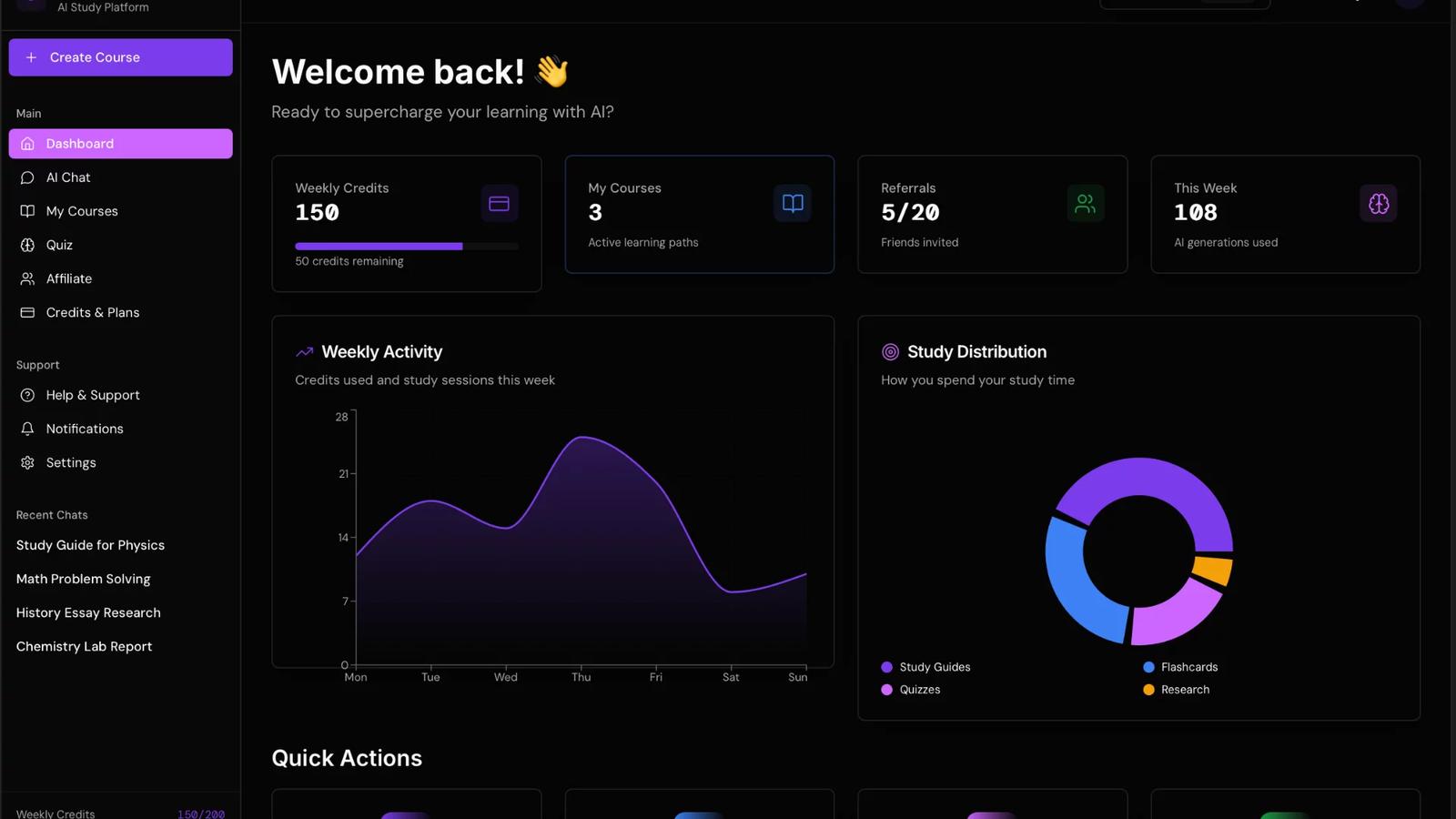
When Dare Adeola and Olamide Onigbanjo first sketched UniBeta, they imagined a campus super‑app that would replace every student’s phone. The dream was grand, but the reality was a buggy, multi‑feature nightmare that nearly bankrupted them. The true lesson? In Nigeria’s exam‑driven culture, focus beats breadth.
The duo’s ambition was to bundle timetable scheduling, peer tutoring, a marketplace for thrift streetwear, and street‑vox‑pops into one platform. The outsourced mobile app crashed on both Apple and Google stores, and the team’s savings evaporated. Nigerian edtech is unforgiving: traffic spikes hit just before exams, then vanish once the papers are out. Instead of folding, they stripped away the bloat.
Recognising that global chatbots like ChatGPT struggle with photocopied course packs and local syllabuses, Adeola and Onigbanjo pivoted. They rebuilt UniBeta around algorithmic revisiontraining AI to spot high‑yield topic clusters from past papers. The result is a targeted study tool that tells students which lecturers demand the most vigilance and where to find past question papers. By their second year, most university students have settled into a rhythm: using UniBeta to gauge exam patterns and survive the season.
Adeola’s own journey illustrates the stakes. He entered UNILAG’s second‑year Urban and Regional Planning class via JUPEB, a foundation programme that forced him to juggle coursework with a commercial hustle. “Most students I observed were either sacrificing their grades to make ends meet, or burning out socially just to keep up academically,” he told TechCabal. “University is supposed to be a total experience. You shouldn’t have to compromise your degree to fund your life, or vice versa.”
In a system where exam results dictate future opportunities, a tool that can reliably predict high‑yield topics is a game‑changer. It levels the playing field for students who cannot afford private tutors or expensive revision courses. UniBeta’s AI does not replace learning; it streamlines it. The platform’s success signals that Nigerian students are ready to embrace data‑driven study strategies, a shift that could ripple across the continent’s higher‑education landscape.
The early failure of UniBeta proves that adding features does not equate to better student support. The platform’s initial breadth diluted its core purpose, leading to user frustration and technical collapse. In contrast, the focused AI‑driven approach delivers tangible value. This challenges the prevailing belief that edtech success hinges on offering everything under one roof.
I predict that by 2028, AI‑powered revision tools will become the standard first‑stop resource for Nigerian undergraduates. Universities will partner with platforms like UniBeta to embed AI insights into their curriculum, turning exam preparation from a chaotic sprint into a data‑guided marathon.
UniBeta’s journey from a failed campus super‑app to a targeted AI study tool is evidence of resilience and the power of iteration. For Nigerian students, it means less time chasing every possible resource and more time mastering the core material that truly matters. The next wave of edtech will not be about adding more; it will be about sharpening what already exists.
More stories you'll like

News
NYT Connections Sports Edition today: Hints and answers for October 19, 2026

News
NYT Pips hints, answers for October 19, 2026

News