News
Damn, Aaron Sorkin really gave Jesse Eisenberg the hard sell to come back as Mark Zuckerberg
Jesse Eisenberg first spoke out in February 2025, before Aaron Sorkin’s The Social Reckoning even entered development, saying he had no interest in portraying Mark Zuckerberg again.
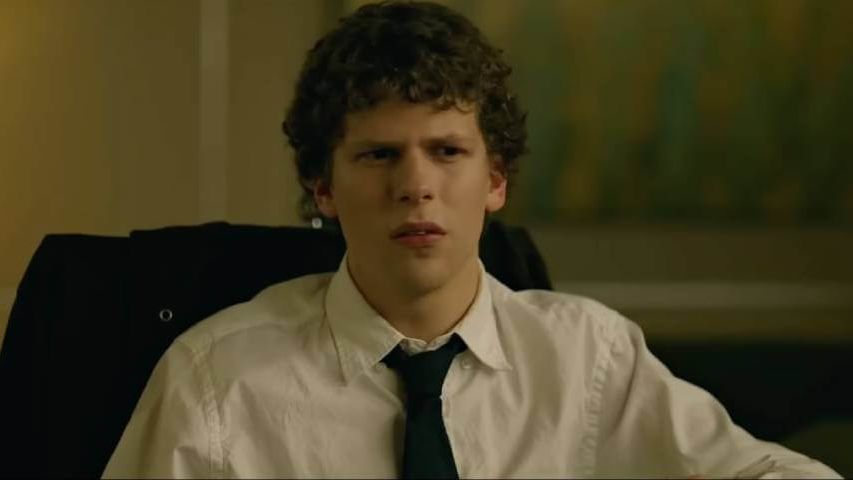
Jesse Eisenberg first spoke out in February 2025, before Aaron Sorkin’s The Social Reckoning even entered development, saying he had no interest in portraying Mark Zuckerberg again. The actor’s stance was clear and repeated, even when the writer‑director, who had never imagined Eisenberg would refuse, pressed him hard for months. Sorkin’s persistence culminated in a detailed conversation that he later shared in an Entertainment Weekly interview, revealing the lengths he went to try to change the actor’s mind.
Sorkin admitted he had never before written himself an outline for a conversation. In the interview he described drafting a list of points aimed at Eisenberg’s defenses. “I wrote myself an outline,” he said. “It was arguments for why he should do it.” The outline included assurances that Eisenberg would already be a natural fit, that the film would revisit iconic moments, and that the actor’s talent would shine once more. The writer also tried to frame the offer as an opportunity for Eisenberg to produce Broadway plays, hoping a creative angle would outweigh the financial lure.
Money, Sorkin noted, was not the deciding factor. He said the studio’s paycheck “was basically a non‑factor” and that, for Eisenberg, “money is a disincentive.” The actor’s concern about raising his children with too much wealth made the offer less appealing. Sorkin’s frustration was palpable: “It’s infuriating,” he laughed, “to see the studio’s offer and know it won’t move me.”
Eisenberg’s resistance was firm. He once remarked, “It’s not like I played a great golfer or something, and now people think I’m a great golfer.” The comment underscored his discomfort with being forever linked to Zuckerberg. Even after Sorkin’s multi‑day appeal, Eisenberg remained unmoved. The writer conceded that he never quite convinced the actor, but he did feel he had “come closer” in their back‑and‑forth.
Sorkin expressed a mix of admiration and frustration. He praised Eisenberg’s integrity, noting the actor’s reluctance to be “stuck with this particular techbro albatross hanging from his neck for the rest of his life.” Yet he also felt a professional pride in having nudged the conversation forward, even if only slightly.
This saga highlights the tension between creative ambition and personal boundaries. It shows how even high‑profile projects can clash with an actor’s personal values and long‑term goals. The story also reflects the evolving relationship between Hollywood and the tech industry, where portrayals of real figures can become contentious.
- Jesse Eisenberg declined to reprise Mark Zuckerberg in The Social Reckoning.
- Aaron Sorkin spent three days attempting to persuade Eisenberg, using a written outline.
- Money was not a motivating factor for Eisenberg; concerns about family wealth mattered more.
- Sorkin admitted he never fully convinced Eisenberg but felt he made progress.
From my perspective, the episode underscores how actors today are increasingly selective about roles that may define their public identity. As Hollywood continues to grapple with biopics and tech narratives, the willingness of performers to set boundaries will shape the industry’s future. The next time a tech icon is turned into a film, it will likely be with an even more careful eye on the actor’s comfort and legacy.


