News
Dan Levy calls out SNL host for joking that 'women dress like whores' at the gym
The first time a comedian on Saturday Night Live (SNL) tried to justify calling women who wear gym shorts “whores,” the audience didn’t laugh. They stared.
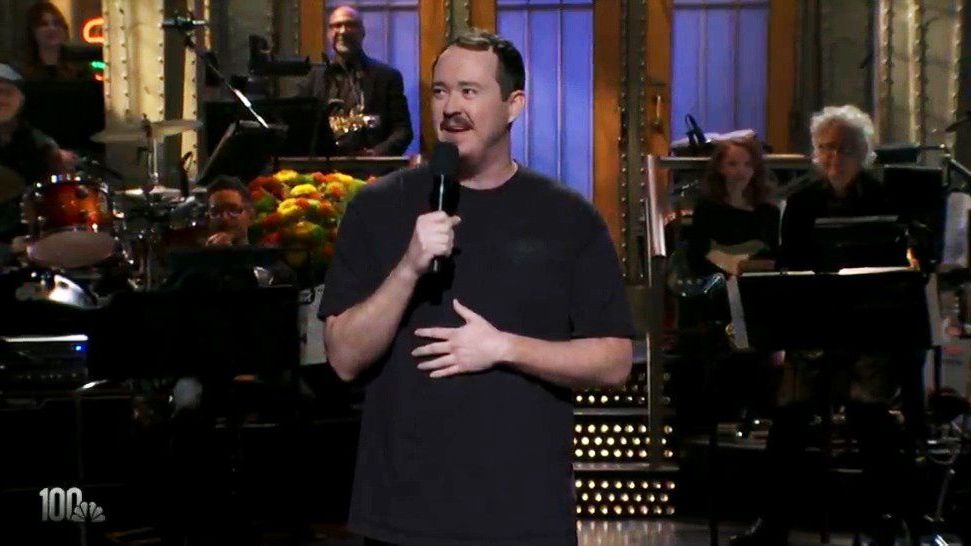
The first time a comedian on Saturday Night Live (SNL) tried to justify calling women who wear gym shorts “whores,” the audience didn’t laugh. They stared. The second time a beloved Canadian actorDan Levytook to Instagram to call out that joke, the backlash was instant and loud. This isn’t a headline about a single punchline; it’s a spotlight on how misogyny still finds a place on mainstream U.S. Television and why men who are comfortable in their own skin must step up to defend women everywhere.
Shane Gillis, 38, launched his opening monologue with a line that turned a casual observation into a punch that hit too close to home: “I haven’t been to the gym in so long, I didn’t realise women just dressed like whores now.” The remark was followed by an apology that felt more like a shrug: “Look, I’m sorry, there’s no other way to describe it.” The studio audience, accustomed to a certain brand of edgy humor, fell silent. The joke, meant to be a quick laugh, exposed a deeper cultural comfort with the objectification of women.
Levy’s response was swift and uncompromising. In a white shirt and glasses, he posted a video that began, “Women wearing shorts at the gym does not make them whores. It makes the men calling them whores misogynists.” He added, “I’ve seen more men’s nipples at the gym than I’ve ever seen women showing their bodies off.” His message was clear: the fault lies with the men who label, not with the women who dress. This is a call to action, not a defensive posture. By framing the problem as one of male responsibility, Levy flips the narrative from victimhood to accountability.
Levy didn’t stop at the joke. He warned that “the casual objectification of women has consequences far beyond an offensive joke.” He linked the comment to a broader environment where women are sexually assaulted and where “misogyny is a conversation, not a crime.” In a society that still treats many women’s experiences as private or taboo, the joke becomes a symptom of a larger issue: the normalization of harassment and the failure of men to speak out against it.
If this incident is any indication, we will see a sharp rise in public challenges to misogynistic humor on mainstream platforms. By 2027, I predict that major U.S. Networks will introduce stricter guidelines for live shows, and social media will see an uptick in “male accountability” campaigns. The backlash against Gillis already shows that audiences are ready to hold performers to higher standards, and the industry will follow suit.
The obvious narrative is that SNL is a platform for boundary‑pushing comedy, and that any joke that offends is simply a risk of the job. Levy’s rebuttal complicates that view. He argues that the responsibility to protect women from demeaning language does not rest on the comedians alone but on the men who consume and repeat it. The joke is not just a single punchline; it is a reflection of a cultural climate that tolerates sexism. By calling out the joke, Levy forces us to ask: who is truly at fault? The comedian, the audience, or the society that allows such remarks to slip through?
Levy’s video ends with a defiant plea: “Men need to be defending women more. This is not a women’s issue, this is an everybody issue.” This statement is a rallying cry that transcends the U.S. Studio audience. In Nigeria, where male dominance in media remains pervasive, the same call for allyship could spark a similar shift. If men in Africa take Levy’s lead, we could see a wave of male‑led initiatives against gender bias in entertainment and beyond.
The backlash against Gillis is already reshaping the conversation around comedy, misogyny, and accountability. As a society, we must ask whether the jokes we laugh at are worth the cost to the dignity of half our population. If we’re not ready to confront the problem, we’ll keep repeating the same mistake on stage and on screen. The next time a comedian steps on stage with a questionable line, the audience will remember that the real punchline is the silence that follows when men finally decide to speak up.


