News
Davina McCall had 'advanced Alzheimer's' symptoms following brain tumour surgery
The first time Davina McCall woke up and could recall what she had done the day before, she felt a wave of relief so intense she cried.
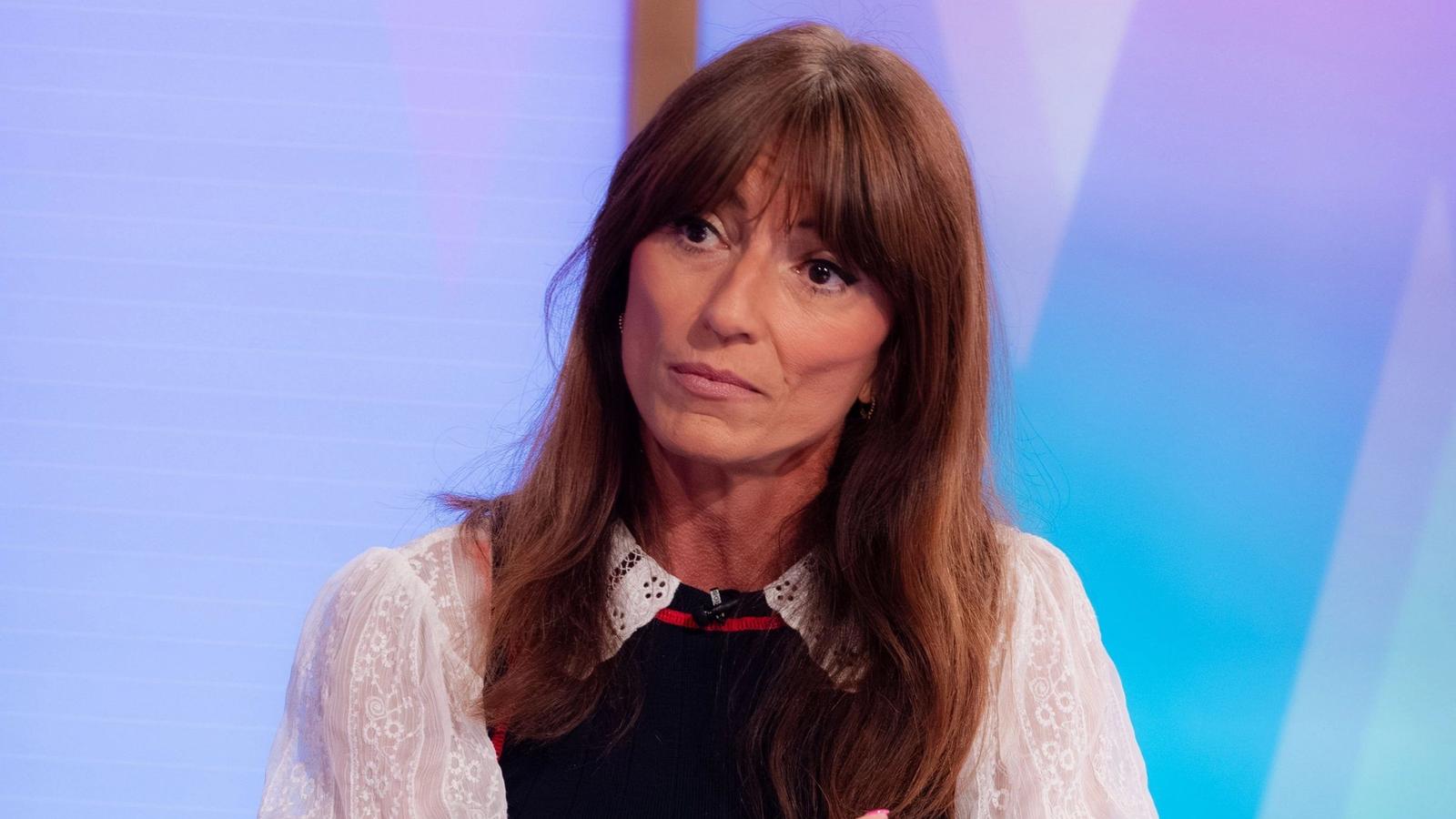
The first time Davina McCall woke up and could recall what she had done the day before, she felt a wave of relief so intense she cried. For the British television icon, the moment was a quiet triumph over a brutal aftermath: advanced Alzheimer‑type symptoms that erupted after her brain tumour surgery in 2025. The story is not just a celebrity health update; it is a stark reminder of how fragile public personas are when the body betrays them, and how the very tools that build a careermedia, music, public scrutinycan become lifelines or traps.
Davina’s surgery was meant to remove a brain tumour, yet the operation unleashed a cascade of neurocognitive damage. She described a reality where “the staff came in every day, and they’d go, What’s my name?” and she’d answer, “I don’t know.” Even her partner, Michael Douglas, struggled to maintain the illusion of normalcy; he would visit for two hours, leave, and return, only for Davina to be oblivious to his presence. The memory lapses were so severe she could not watch films or read booksactivities that once defined her public persona. The surgical intervention, intended to save her life, became a silent saboteur of her identity.
When the world watched her struggle, Davina found solace in an unexpected ally: music. She said, “Music was a huge aid… it acted like my mind physio.” In a country where music is woven into the social fabric, her turn to sound as therapy is both culturally resonant and scientifically intriguing. Neuroplasticity research shows that rhythmic stimulation can rewire neural pathways, offering a non‑pharmacological route to cognitive recovery. Davina’s public endorsement of music therapy could spark a broader conversation about alternative treatments for post‑operative cognitive decline, especially in the UK where access to such therapies is uneven.
The year 2025, for Davina and Michael, was “the hardest year for both of us.” Their private battle unfolded in a public arena, forcing viewers to confront the vulnerability of those who seem invincible on screen. In a culture that often idolises celebrities, the disclosure of such a frailty challenges the myth that fame shields one from human frailty. It also raises questions about the responsibilities of media outlets that chase headlines while the subjects are still healing.
Everyone’s celebrating this deal, but let’s be honest: the narrative that celebrities are immune to the same health struggles as ordinary people is a dangerous myth. The industry’s relentless pace and the pressure to maintain an image can exacerbate health issues. Davina’s story proves that even the most polished public figures are not exempt from the brain’s vulnerability to surgical trauma. The conventional wisdom that a high‑profile life guarantees better medical outcomes is upended. Instead, her experience underscores the need for comprehensive post‑operative care that includes cognitive monitoring, especially for patients undergoing brain surgery.
I predict that within the next two years, UK health authorities will launch a targeted campaign highlighting the risks of post‑operative cognitive decline. Davina’s openness will serve as a catalyst, pushing policymakers to integrate memory assessment into standard post‑operative protocols. This could lead to earlier interventions and better long‑term outcomes for patients across the country.
Davina McCall’s recovery journey shows that even the most resilient public figures can be humbled by the brain’s fragility. Her turn to music as therapy offers a hopeful blueprint for others facing similar cognitive setbacks, reminding us that sometimes the most powerful healers are the ones we overlook.


