News
Davina McCall reveals new diagnosis after brain tumour removal and breast cancer battle
Davina McCall’s latest health update is less a headline than a lifeline.
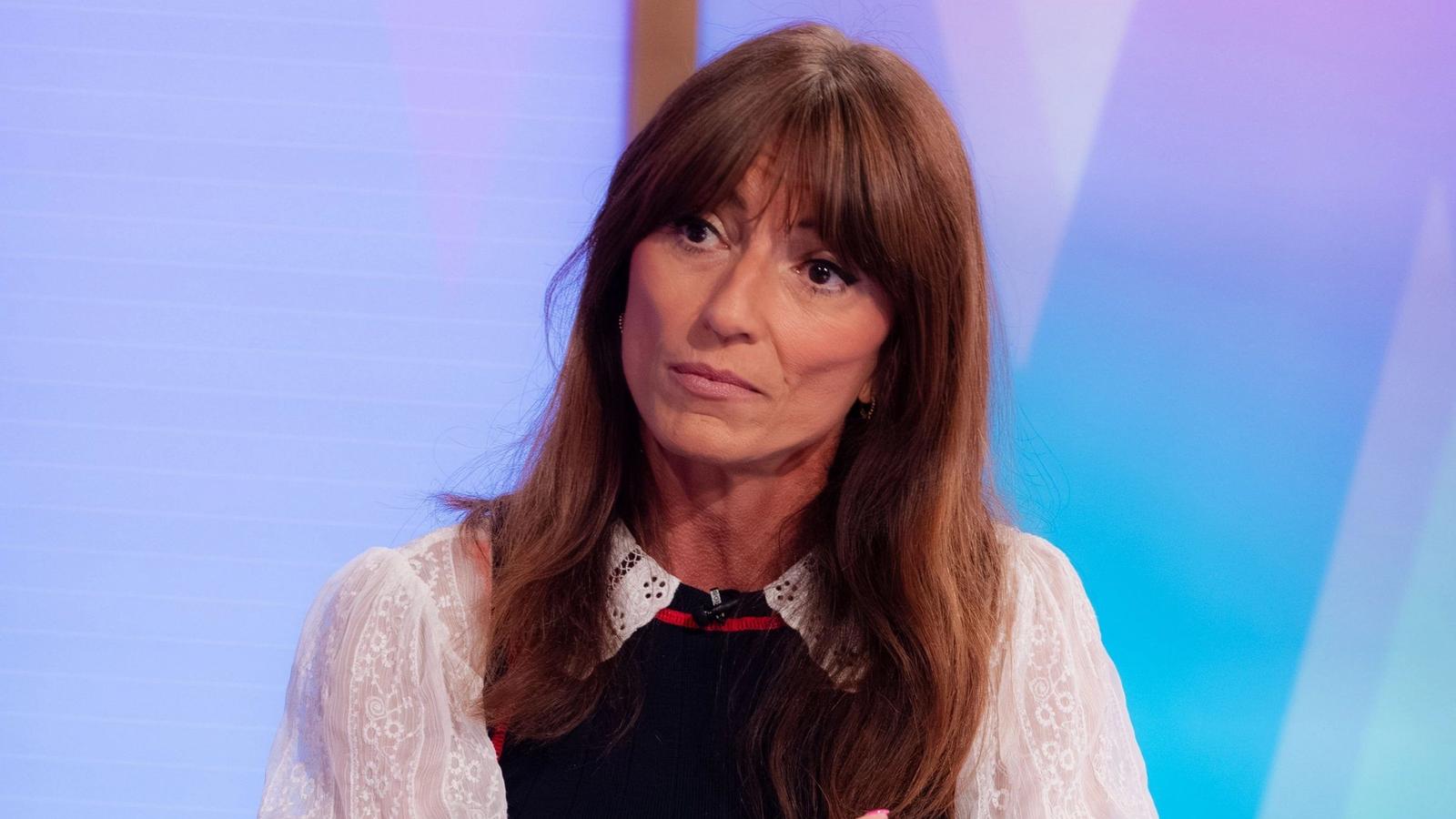
Davina McCall’s latest health update is less a headline than a lifeline. The former Big Brother host, who survived a rare brain tumour in 2024 and a bout of breast cancer in 2025, has now been diagnosed with cardiovascular disease. Her new diagnosis is not a private struggle; it is a public call to action for women who, like her, may feel invincible until a health crisis shatters that illusion. The stakes are personal for her fans, and professional for anyone who watches her navigate the thin line between celebrity and everyday vulnerability.
When Davina first spoke about her brain tumour removal, the narrative was one of triumph over a life‑threatening condition. Two years later, breast cancer seemed to have been conquered, and the public thought the worst was behind her. Yet cardiovascular disease, a broad term covering heart and blood vessel issues, has now entered the equation. This is not a trivial after‑effect; it is a reminder that cancer treatments can leave lasting scars on the body’s most vital systems. The link between chemotherapy, hormonal therapy, and later heart problems is well‑documented, yet many survivors ignore the warning signs because they assume they are immune to other illnesses.
Davina partnered with the British Heart Foundation to spotlight the connection between menopause and cardiovascular risk. The episode, titled Begin Again, was more than a podcast; it was a manifesto for women who feel the pressure to downplay heart disease as a “male” problem. Her message was clear: “Get your blood pressure and cholesterol checked, and if something feels wrong, listen to your body.” This is a direct challenge to the prevailing narrative that women’s heart health is a secondary concern. By aligning her personal story with a public health campaign, she flips the script, making cardiovascular disease a topic of urgency for women in mid‑life.
In a candid interview with Paloma Faith on the Mad, Sad, Bad podcast, Davina described 2025 as “the hardest year” for her and her partner Michael Douglas. She recounted moments of memory loss and disorientation after her brain tumour surgery, describing how she “couldn’t remember what had happened in the movie 15 minutes before.” These experiences are not just anecdotal; they illustrate the neurocognitive side effects that can accompany cancer treatment and surgical recovery. By sharing this, she underscores the importance of comprehensive post‑treatment care that includes mental health and cognitive monitoring, not just physical recovery.
The obvious narrative might be that Davina is simply another celebrity adding to the list of public health warnings. However, her story complicates that view. She is not merely broadcasting a warning; she is actively engaging her audience in a dialogue about preventive health. Her use of the term “cardiovascular disease” rather than a specific condition signals that she recognizes the spectrum of heart issues that can arise post‑cancer. This broader framing invites listeners to consider their own risk factors, rather than feeling that only a specific disease profile applies to them.
Given Davina’s platform and her partnership with the British Heart Foundation, I predict that within the next 12 months we will see a measurable uptick in women‑focused cardiovascular campaigns across the UK. These will likely feature high‑profile survivors who, like Davina, have navigated multiple health crises. The synergy between celebrity advocacy and medical research will make heart health a mainstream conversation, especially among women in the 45‑55 age bracket who are often overlooked in public health messaging.
Davina McCall’s latest revelation is more than a personal update; it is a public health wake‑up call that refuses to let the narrative of invincibility persist. Her candidness about memory loss, cardiovascular risk, and the emotional toll of surviving multiple illnesses forces us to confront the reality that health is a continuum, not a series of isolated battles. The next step for her, and for her listeners, is to turn this awareness into actionregular check‑ups, lifestyle changes, and a cultural shift that treats heart disease as a priority for all genders.