News
Demented horror about flesh-eating unicorn hailed 'better than Obsession and Backrooms'
The horror of a flesh‑eating unicorn is not just a gimmick; it’s a mirror for parents who think a cartoon can be a safe bedtime story.
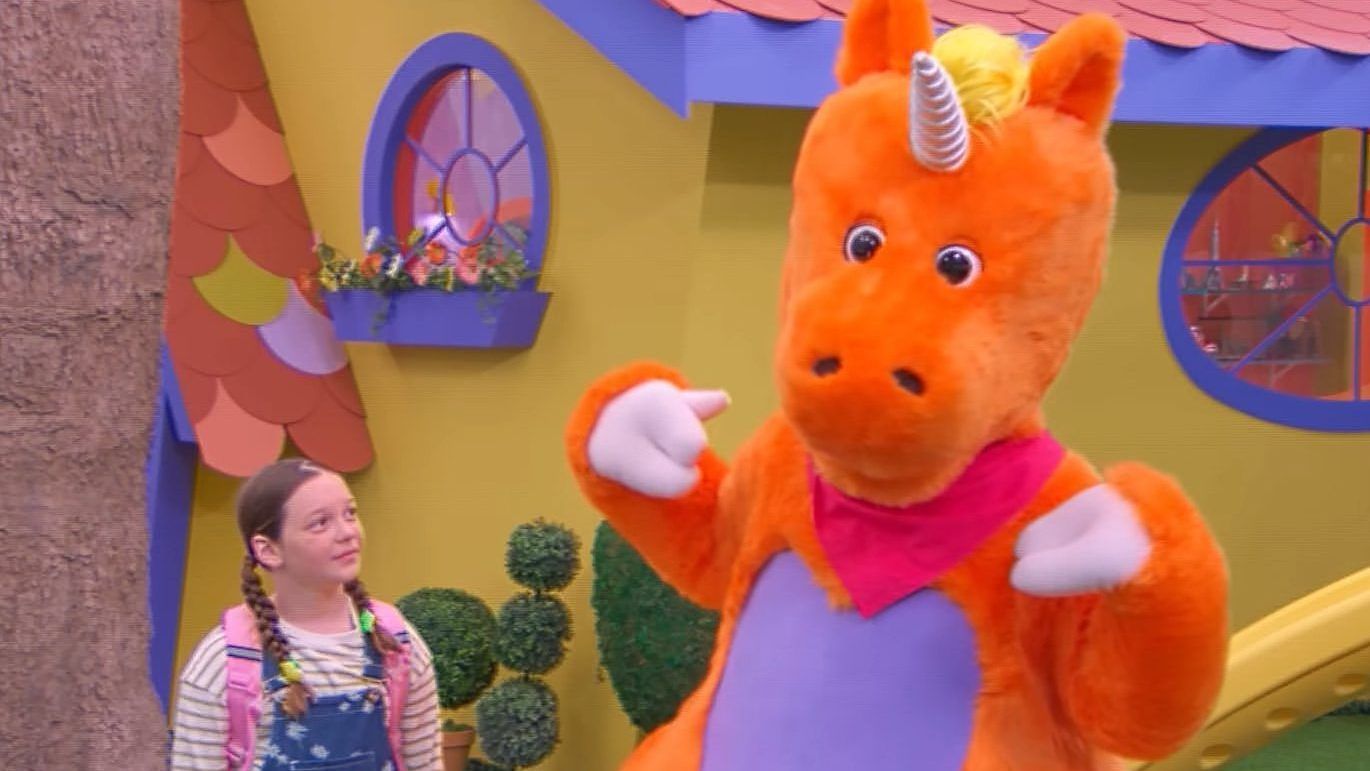
The horror of a flesh‑eating unicorn is not just a gimmick; it’s a mirror for parents who think a cartoon can be a safe bedtime story. When a $3 million film turns into a $15.9 million box‑office hit, the real winners are the kids who were meant to be terrified by a cuddly mascot. Their parents, who booked tickets under the assumption of a harmless children’s film, are now the unintended audience of a midnight‑movie nightmare.
Buddy, the orange, cartoon‑ish host of a 1990s‑era children’s show, is voiced by Keegan‑Michael Key. What starts as a nostalgic nod to a bygone era morphs into a grotesque horror narrative. The film’s premisechildren trapped inside a television series ruled by a malevolent, flesh‑eating unicornturns the familiar into a nightmare. The marketing, with its bright, cartoonish imagery, is a deliberate bait. Social media exploded with posts from parents who “accidentally” took their children to the film, mistaking it for a family‑friendly movie. While no verified cases of trauma have been reported, the confusion alone is evidence of the film’s subversive design.
The success of Buddy echoes the trajectories of Obsession and The Backrooms. All three emerged from unconventional beginningsObsession as a low‑budget indie, The Backrooms from a viral YouTube seriesyet each defied the traditional studio horror machine. Buddy followed a similar path, debuting in Sundance’s Midnight section before hitting U.S. Cinemas on August 28 via Roadside Attractions and Saban Films. Its $3 million budget, a modest sum in Hollywood, was turned into a $15.9 million haul. The film’s financial leap is not merely a box‑office win; it signals a shift in what audiences are willing to pay for when the line between child‑friendly content and horror is blurred.
Word‑of‑mouth is the new marketing budget. A single tweet from a viewer“Buddy is everything you could want from a midnight movie”spurred a wave of online buzz. Another fan admitted, “I’ve seen it twice now lol.” These candid endorsements, shared on X, demonstrate how a film can thrive on community engagement rather than traditional advertising. The viral nature of the film’s premisean innocent unicorn turned predatormakes it ripe for meme culture, further amplifying its reach. Audiences crave authenticity, the film’s raw, unfiltered terror resonates more than polished studio productions.
The film’s marketing strategy raises a critical question about genre labeling in the streaming era. When a film’s poster features a cartoon unicorn, viewers are primed for a family film. Yet the content is a brutal, R‑rated horror. This mismatch is not a mistake; it’s a calculated move to subvert expectations. The result is a shock factor that keeps audiences on the edge of their seats. However, it also highlights a growing problem: the lack of clear genre indicators in the digital marketplace. If parents cannot distinguish a horror film from a children’s movie, the industry must rethink how it presents content to protect younger viewers.
Given the success of Buddy, I predict a new wave of horror films will adopt similar tacticsusing familiar, child‑friendly imagery to lure audiences before delivering a dark twist. This strategy will likely become a staple for indie filmmakers seeking to maximize return on investment. Studios may also follow suit, investing in low‑budget projects that capitalize on nostalgia and subversion. The next big horror hit could very well be a reimagined classic cartoon, turned into a nightmare that sells millions.
The film’s journey from a modest budget to a blockbuster hit shows that horror can thrive on subversion, community buzz, and a willingness to challenge genre conventions. For parents, it’s a stark reminder to scrutinise film posters before booking tickets. For filmmakers, it’s a blueprint for turning the unexpected into a profitable, cultural phenomenon.