News
Gilla Band tackle "poverty of speech linked to mental health conditions" and schizophrenia on blistering single 'Alogia'
The new single Alogia is not just another track; it’s a confession that hits the very nerves of anyone who’s ever felt their voice cut off.
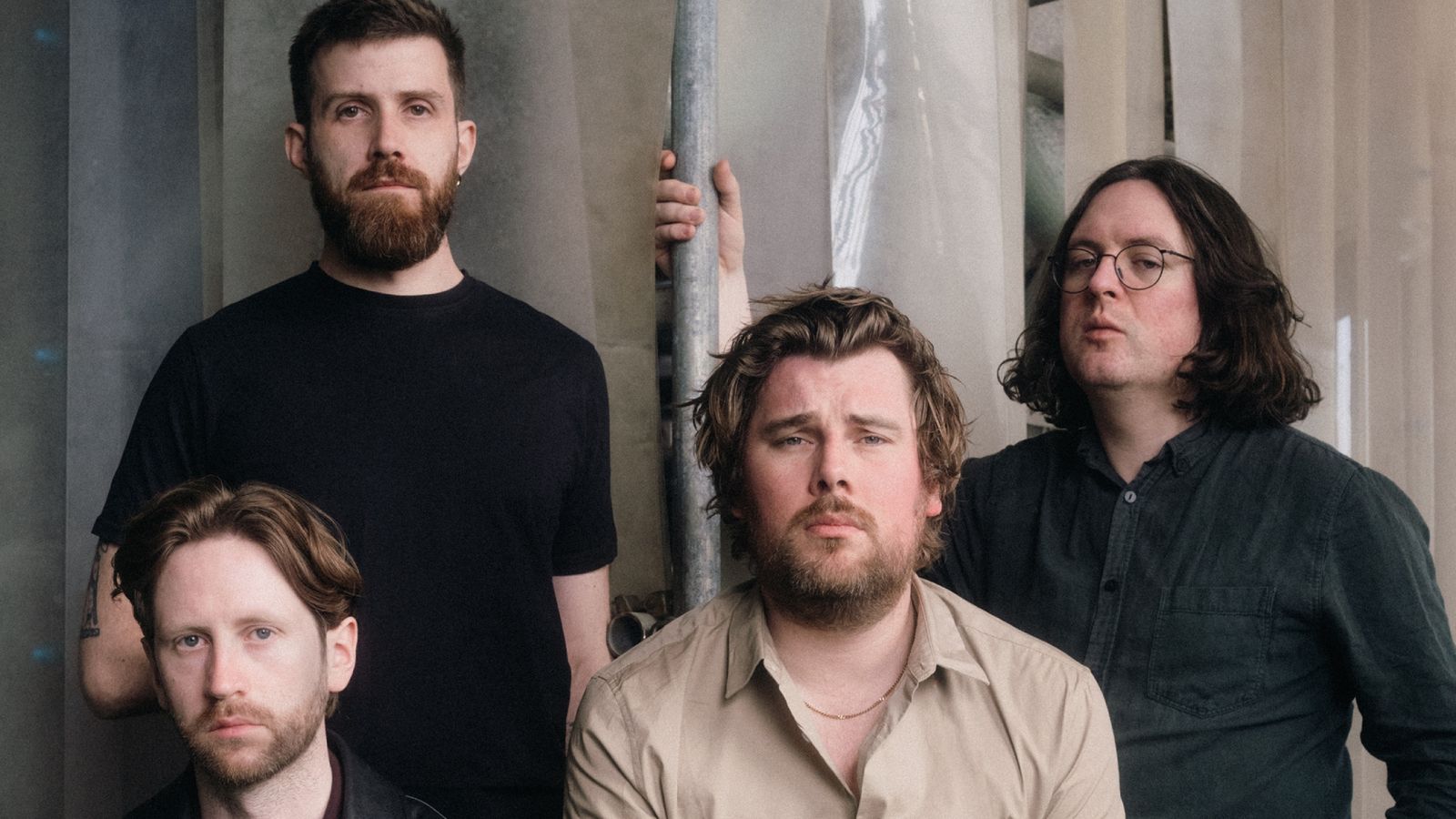
The new single Alogia is not just another track; it’s a confession that hits the very nerves of anyone who’s ever felt their voice cut off. When Dara Kiely admits he was diagnosed with schizophrenia while writing the lyrics, the song becomes a lifeline for fans who have struggled with the same silence. It’s a raw, jagged plea that turns a personal crisis into a communal shout‑out, proving that music can be both a mirror and a megaphone.
“Alogia means poverty of speech linked to mental health conditions,” Kiely says, and the track delivers that meaning with brutal honesty. The song starts with an imagined world of order, then collapses into a repetitive, almost mantra‑like chant that mirrors the intrusive thoughts of schizophrenia. The music itself is a sonic representation of a mind in crisis, with jittering rhythms that feel like a heartbeat racing out of control. For listeners who have felt the weight of their own internal noise, the track validates that feeling and offers a soundtrack to their struggle.
Most artists touch on mental health in broad strokes, but Gilla Band dives into the specific, often overlooked symptom of alogia. By naming the condition, they strip away the euphemisms that usually surround mental illness. The band’s choice to confront the topic head‑on is a direct challenge to the cultural tendency to gloss over the quiet suffering that many people endure. This isn’t just about raising awareness; it’s about redefining how we talk about mental health in the public sphere. The song’s abrasive energy forces listeners to confront the discomfort rather than avoid it, a tactic that could shift the conversation from pity to genuine empathy.
The band’s upcoming tour, starting in Philadelphia on October 14 and winding through North America before heading to Europe, mirrors the emotional trajectory of Alogia. Each stop from Brooklyn to Montreal, from Detroit to Seattleplaces the band in diverse cultural contexts where mental health narratives differ. By performing in cities with varying attitudes toward mental illness, Gilla Band is setting the stage for a cross‑cultural dialogue. The tour’s structure, moving from the familiar to the unknown, reflects the progression from routine to breakdown that the song depicts.
Within the next six months, I predict that Alogia will spark a measurable uptick in online conversations about schizophrenia in the UK and Canada. The track’s candidness is likely to inspire other artists to name specific conditions in their work, creating a ripple that could reduce stigma across the continent. If the tour goes as planned, the band will likely secure a spot on at least one major festival lineup in Europe, cementing their status as pioneers of mental‑health‑focused music.
Gilla Band’s Alogia is more than a song; it’s a call to listen to those whose voices have been silenced by illness. It forces us to confront the uncomfortable reality that mental health struggles are not always visible. By turning a personal diagnosis into public art, the band gives a name to the unspeakable, inviting us all to step into a space of understanding. The next time you hear the frantic chant of Alogia, remember that it’s a plea for recognition, not a plea for pity.