News
The iPhone Duos opening animation is a 10/10 design flex for Apple
The iPhone Duo’s opening animation isn’t just a slick visual trick; it’s a statement to every tech journalist who ever felt the sting of a “design flex” that didn’t deliver.
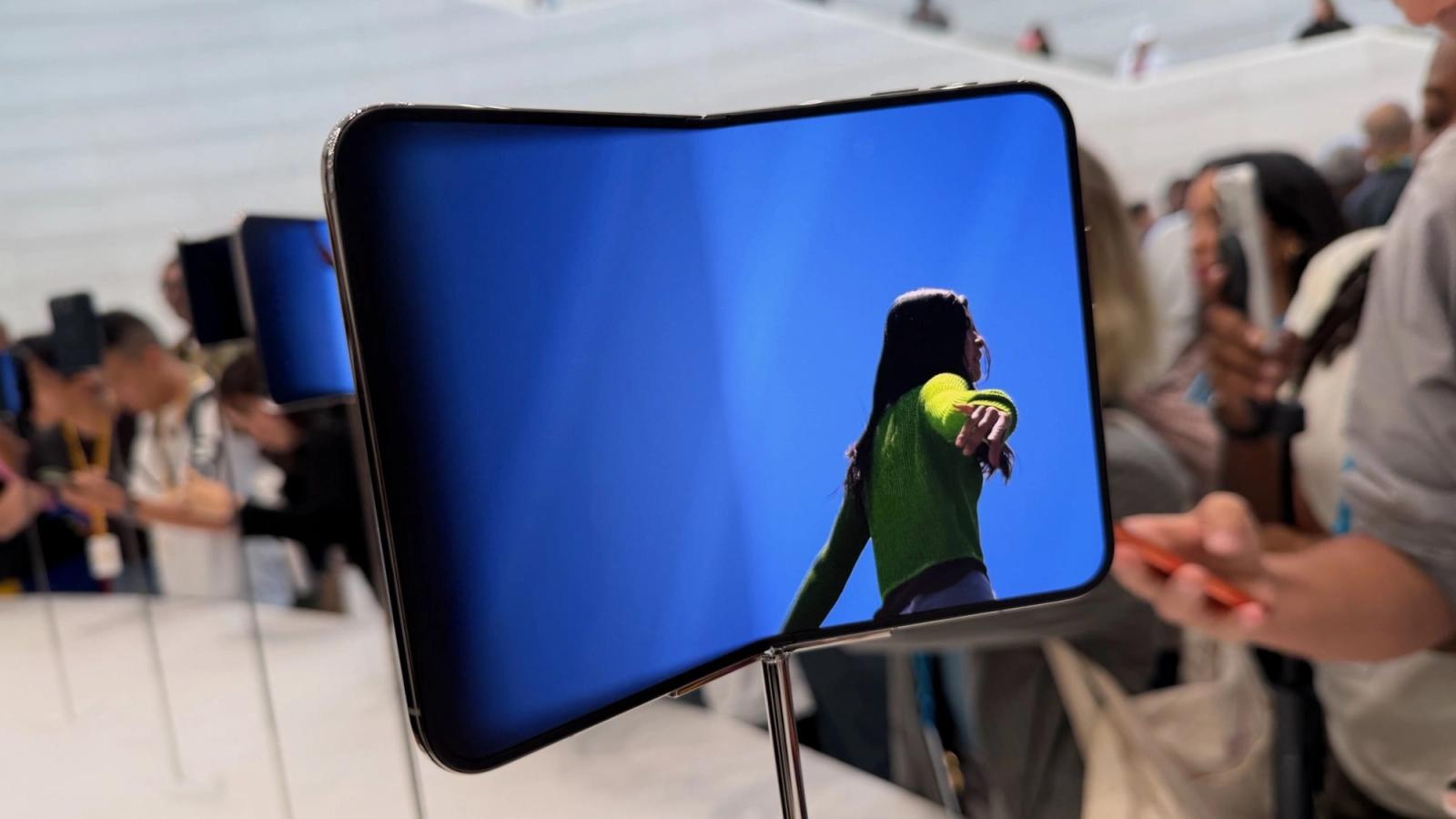
The iPhone Duo’s opening animation isn’t just a slick visual trick; it’s a statement to every tech journalist who ever felt the sting of a “design flex” that didn’t deliver. When Stan Schroeder from Mashable watches the phone unfold on a folding stand at Apple Park, the moment feels like a cinematic reveal rather than a product demo. For the few who held the device, the blur that sweeps across the outer screen and merges into the inner display made the phone look like a pane of glass sliding open, a sensation that has already spawned memes and millions of views on social media.
Apple’s designers have turned a simple mechanical fold into an optical illusion. The outer screen blurs and dissolves into the inner display, giving the impression that you’re looking through a piece of liquid glass. This is not a gimmick; it’s a deliberate visual language that signals the device’s fluidity. The effect is so convincing that it feels less like a foldable phone and more like a portal. The design choice elevates the user experience from functional to almost theatrical, a hallmark of Apple’s approach to interface design.
Beyond the animation, Apple has added a premium nano‑texture finish to the display. This subtle enhancement reduces glare and masks the crease, making the Duo look sleek even when it’s half‑folded. The translucent Liquid Glass elements add depth, turning the phone into a piece of art that reflects light in ways traditional glass never could. For tech reporters who critique every surface detail, this finish is a quiet but powerful win.
Everyone’s been hyping foldable phones as the next frontier, but the market has been plagued by fragile displays and clunky transitions. Apple’s Duo flips that narrative by making the folding process itself a visual highlight. The animation demonstrates that folding can be more than a functional necessity; it can be a design statement. It also hints that Apple will likely dominate the foldable space by focusing on user interface polish rather than just hardware innovation.
Given the Duo’s flawless animation and premium finish, I predict that within the next year Apple will become the de facto benchmark for foldable user interfaces. Competitors will scramble to replicate the illusion of transparency, but the technical mastery behind it will be hard to match. The Duo’s launch price of $1,999 may limit early adoption, but the design language will ripple through the industry.
The iPhone Duo’s opening animation is more than a marketing stunt; it’s a design manifesto that says Apple still knows how to make a product feel alive. As the foldable market matures, this device will likely be the touchstone against which all others are measured.