News
Eamonn Holmes' girlfriend hits out at his ex-wives after being turfed out of flat
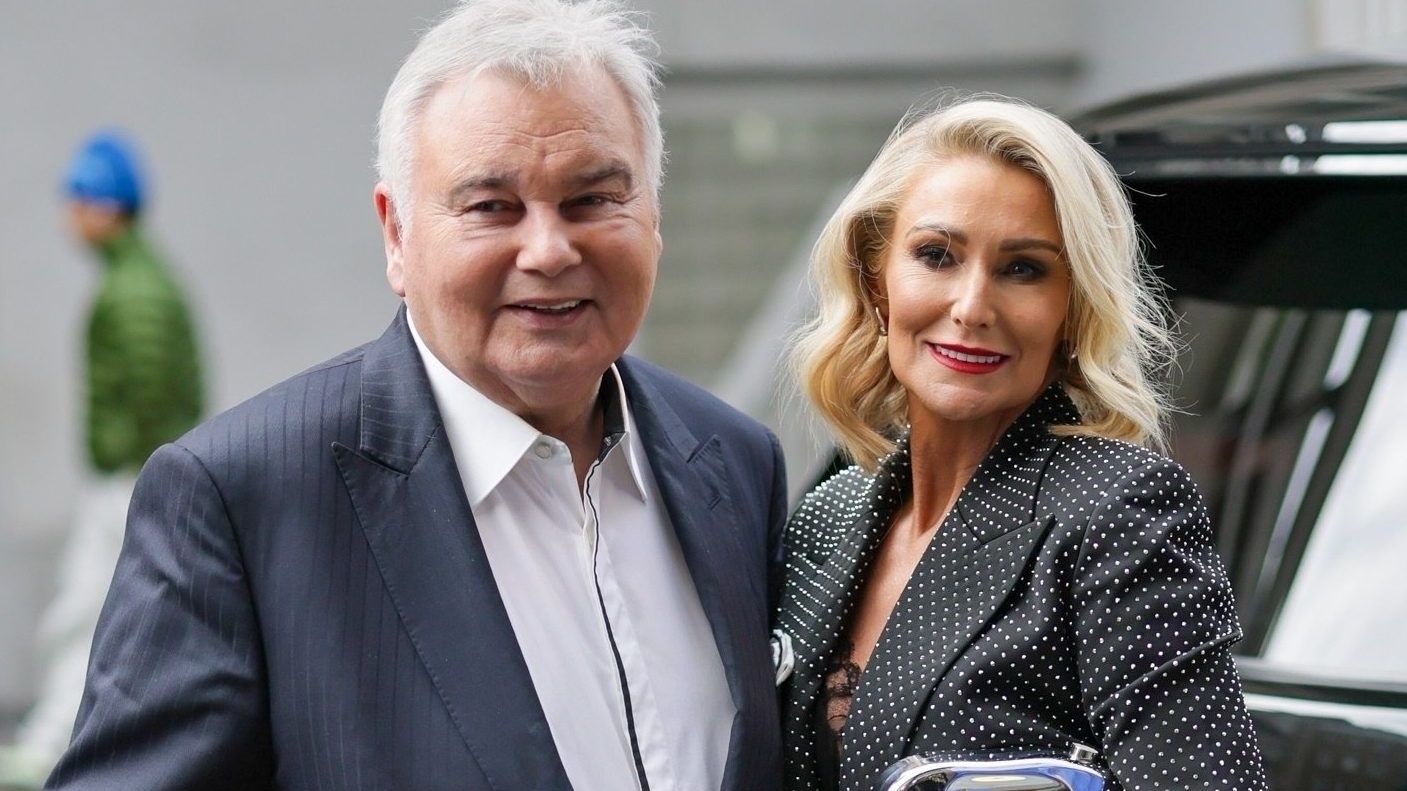
Eamonn Holmes’ girlfriend, Katie Alexander, found herself standing on a sun‑lit beach, bikini clutched to her waist, her Instagram story flashing a caption that read, “There is a quiet kind of strength in becoming comfortable with who you are.” The image, shared after she was told to vacate the flat she had shared with the 66‑year‑old GB News host, was a quiet protest against a sudden, public upheaval that had left her feeling “tormented” and “very, very upset.”
The story began in 2024, when Eamonn Holmes, long‑time presenter and former co‑host of This Morning, stepped away from his 27‑year marriage to Ruth Langsford. Their split, announced in the same year, opened a new chapter for Holmes, who had already been married once before, to Gabrielle Holmes, in 1985. Two years later, Holmes entered a relationship with 45‑year‑old Katie Alexander, a mother of three, and the pair settled into a shared flat.
When news surfaced that Holmes had been ordered to leave the home, Alexander posted the beach photo as a counter‑argument to what she described as a “cold” treatment by Holmes’ ex‑wives and their children. Her caption, a mix of empowerment and grief, suggested that she had been cast aside after Holmes suffered a stroke in April. The narrative implied that the extended family had rallied around Holmes, leaving Alexander feeling “left out in the cold.” The tone of her post was unmistakably personal, a raw expression of a woman who had been “devastated” by the turn of events.
Holmes’ stroke, reported in April, added a layer of urgency to the family dynamics. Sources close to the situation indicated that Ruth, Gabrielle, Holmes’ children, and other loved ones had formed a “close unit” to navigate his future. Yet, Alexander felt excluded from these decisions. The story hints at a broader conversation about caregiving and the roles spouses play when health crises strike. Alexander’s frustration was compounded by whispers that some people believed she was pursuing Holmes for his fame and fortunea claim she dismissed as “deeply unfair.”
The public nature of the split and the subsequent fallout has turned what might have been a private family matter into a media spectacle. Holmes, a familiar face on British television, has always been a figure of public interest, and his personal life has been followed closely by tabloids. Alexander’s decision to share her feelings on Instagram, rather than through a private conversation, reflects the modern reality that personal grievances often spill into the digital sphere. Her post, while a defense of her own dignity, also serves as a broader commentary on how public figures’ private lives are dissected and debated.
In the midst of the drama, the most tangible loss is the emotional toll on Alexander. Being told to leave a shared home, especially when the relationship is still in its early stages, can feel like a severing of an intimate bond. The image of her on the beach, a symbol of resilience, underscores a common human truth: people often turn to nature or public platforms to reclaim agency when faced with rejection.
Holmes’ relationship with his ex‑wives and children also highlights the complexities that arise when multiple families intersect. The story does not provide details of how the ex‑wives have communicated with Alexander, but the sense of exclusion is palpable. The narrative is a reminder that even in the age of instant communication, feelings of isolation can persist when support systems falter.
As Holmes recovers from his stroke, the path forward for all parties remains uncertain. Alexander’s public stance may influence how the family navigates future decisions, perhaps prompting a more inclusive approach. For Holmes, the challenge will be balancing his personal health, his relationship with Alexander, and the expectations of a family that has long been intertwined with his public persona.
The unfolding situation invites reflection on how we, as a society, respond to the private struggles of public figures. It also prompts a deeper examination of the expectations placed on partners in high‑profile relationships, especially when health crises intervene. The story is a stark reminder that behind every headline lies a human narrative, fraught with emotion, resilience, and the relentless pursuit of dignity.


