News
EFCC vs. Jude Okoye: Everything to know about the P-Square family feud
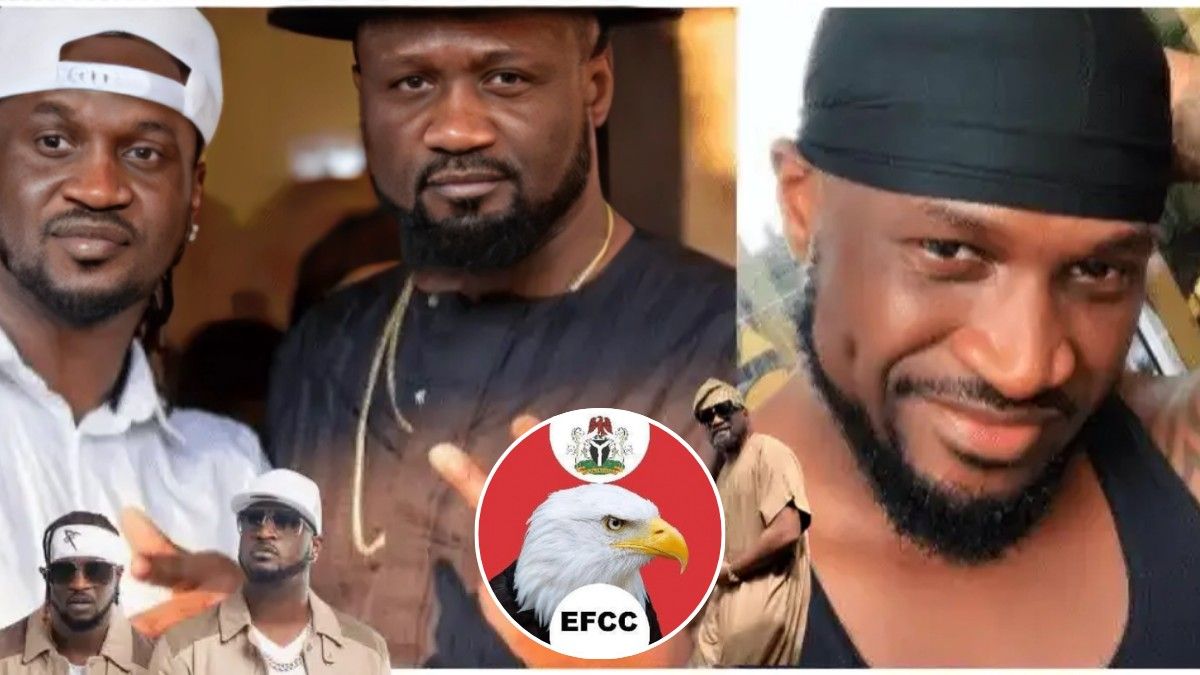
As I sat in the dimly lit courtroom of the Federal High Court in Ikoyi, Lagos, it was hard not to think of the once-unbreakable bond between Nigeria's music icons P-Square and their elder brother, Jude Okoye. February 26, 2025, will be remembered as the day the curtains drew open on a high-stakes trial that could very well unravel the legacy of one of Africa's most celebrated musical acts. Jude Okoye stood before Justice Alexander Owoeye, facing seven counts of money laundering totalling ₦1.38 billion, $1 million, and £34,537.59. The charges were brought by the Economic and Financial Crimes Commission (EFCC), and Jude pleaded "not guilty," setting the stage for a blockbuster trial scheduled for April 14, 2025.
P-Square, comprising Peter and Paul Okoye, dominated Afrobeat from 2003 to 2017, churning out hits like Bizzy Body, Personally, and Bank Alert. Under Jude's management, they amassed a fortune estimated at over $150 million through music sales, international tours, and lucrative endorsements, including a landmark deal with Globacom. However, beneath the glitz lay simmering tensions over royalties, creative control, and financial transparency. The first public fracture came in 2017 when P-Square disbanded amid a bitter dispute, with some speculating that Jude's strict management style and demands for more control over their music had pushed the twins to the brink.
By 2022, the twins had split again, with Peter and Paul pursuing solo careers as Mr. P and Rudeboy. Jude, once the glue holding them together, became a lightning rod for accusations, particularly from Peter, who claimed his brother had mismanaged their earnings for years. These grievances, aired repeatedly on social media, set the stage for a dramatic escalation. In August 2023, Peter Okoye filed a petition with the EFCC, alleging that Jude and his wife, Ifeoma Okoye, had diverted millions of dollars and hundreds of millions of naira in P-Square royalties into a secret company, Northside Music Ltd. Peter claimed this was a deliberate scheme to siphon funds, bypassing the group's financial structure.
Peter clarified in a statement that he wrote the petition against Jude and his wife, not Paul, underscoring the deep-seated rift between the brothers. The EFCC's investigation, sparked by Peter's petition, would go on to uncover alleged discrepancies in the duo's financial dealings, including the use of a secret company to siphon funds. As the trial unfolded, the spotlight would shift from Jude's management style to the serious allegations of financial impropriety, threatening to forever tarnish the legacy of P-Square.
As the trial raged on, it became increasingly clear that the stakes were far higher than just Jude's freedom. The very fabric of P-Square's legacy was at risk of unraveling, and the music world would be left to pick up the pieces. As I watched the courtroom drama unfold, it was hard not to wonder what had gone so terribly wrong for this once-unbreakable bond.
The trial of Jude Okoye, scheduled for April 14, 2025, promises to be a blockbuster, and one that could forever change the narrative around Nigeria's music industry.
As I see it, the P-Square family feud is a cautionary tale about the dangers of unchecked power and the importance of transparency in the creative industries. The legacy of P-Square hangs precariously in the balance, and only time will tell if the twins will be able to put aside their differences and salvage what's left of their once-mighty empire.