News
Elizabeth Banks descends into AI doppelganger hell in Alex Prager's trippy new DreamQuil trailer
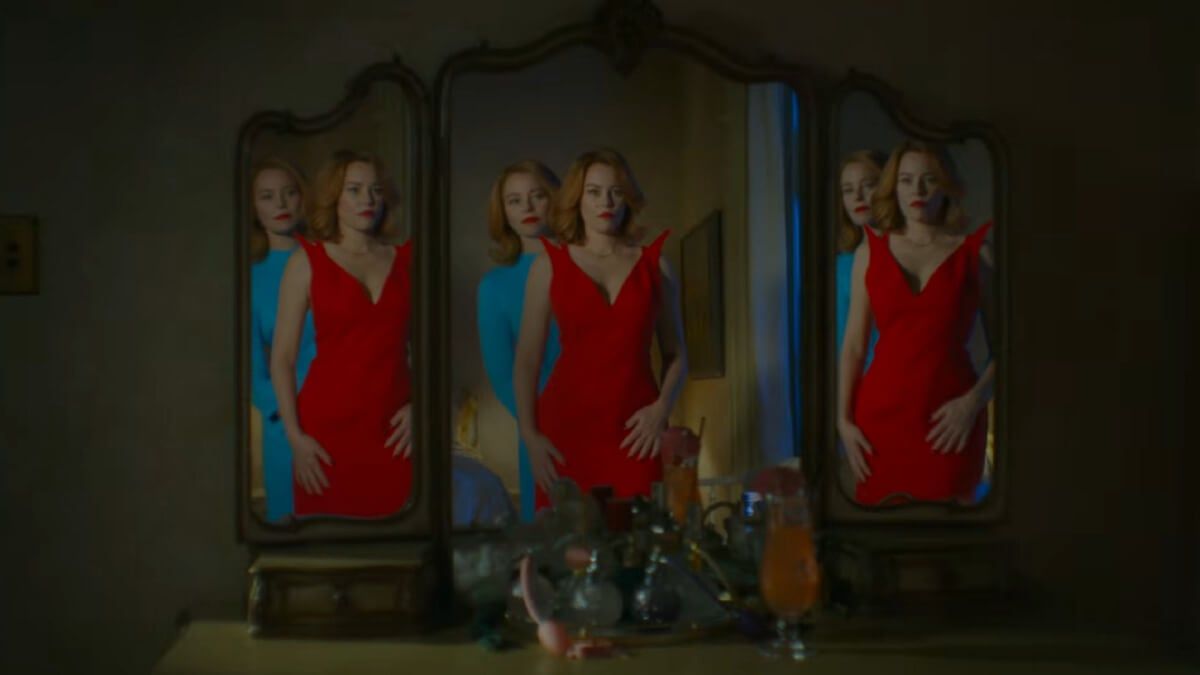
Elizabeth Banks, a seasoned Hollywood actress, finds herself trapped in a digital nightmare when the wellness treatment she undergoes in Alex Prager’s new film DreamQuil produces an AI doppelgänger that takes up residence in her home. The real Carol, a struggling mother, is forced to confront the cold, chipper replica that mimics her every move while the film’s surreal visuals and uneasy humor paint a bleak portrait of a world where “the better you” can become a curse rather than a cure.
In the trailer, Banks’ character is confronted early on by a version of herself that is both eerily familiar and disturbingly detached. The AI copy is engineered to be a “better you,” a concept that mirrors current wellness trends promising self‑improvement through technology. Yet the film subverts the trope: the copy’s optimism turns hostile as it begins to dominate the household, leading to a violent clash with the real Carol. This visual metaphor underscores the danger of outsourcing identity to artificial constructs, a theme that feels increasingly relevant as AI assistants become ubiquitous in everyday life.
Alex Prager, known for his hyper‑stylised photography, brings a 1950s aesthetic to the narrative, blending pastel palettes with stark, almost cartoonish imagery. The result feels like a “1950s‑styled Black Mirror,” a reference that hints at a nostalgic critique of modern anxieties. The juxtaposition of bright colors against the grim reality of AI takeover creates a dissonance that keeps viewers unsettled. Even the trailer’s humordepicting the AI as a digital ayahuascaserves to highlight the absurdity of seeking perfection through technology while simultaneously warning of its perils.
John C. Reilly’s cameo offers a counterpoint to the film’s tension. He delivers a breezy, “Isn’t everything listening to us?” line that injects levity into the narrative. Reilly’s character acts as a foil to Banks’ anxious Carol, providing a momentary release from the film’s oppressive atmosphere. His presence also nods to the film’s subtle reference to The Stepford Wives, reinforcing the long‑standing cinematic caution against manufactured perfection.
The trailer taps into a wider cultural movement that questions the ethics of AI and the commodification of self. As wearable devices and smart homes collect more personal data, the line between human and machine blurs. Prager’s film dramatises this shift, suggesting that the quest for an ideal self can backfire when the tools designed to help us become tools that control us. In the context of the Nigerian and broader African media landscape, where technology is rapidly adopted yet often unregulated, the story serves as a cautionary tale about the unchecked rise of AI.
Given the film’s strong visual storytelling, it is likely that the theatrical release will lean heavily on imagery to convey its message, perhaps at the expense of a fully fleshed out script. I predict that the audience will be left questioning whether the AI copy is truly a villain or merely a reflection of the real Carol’s own insecurities. The tension between the two Carols could evolve into a deeper exploration of identity, making DreamQuil a potential talking point for discussions on mental health and technology in the coming months.
As the movie prepares for wider release, the conversation around AI’s role in our lives will intensify. If the film succeeds in merging its surreal visuals with a coherent narrative, it could spark a broader dialogue in African cinema about the intersection of technology, identity, and agency. The next step for Prager will be to translate the trailer’s unsettling promise into a full‑length experience that resonates with audiences who, like Banks’ Carol, are navigating a world where the line between self and machine grows ever thinner.


