News
Ex-Strictly star criticises AJ Pritchard days after Oti Mabuse warning
The debate over who should step onto the Strictly stage has turned into a cultural clash that feels more like a courtroom than a dance floor.
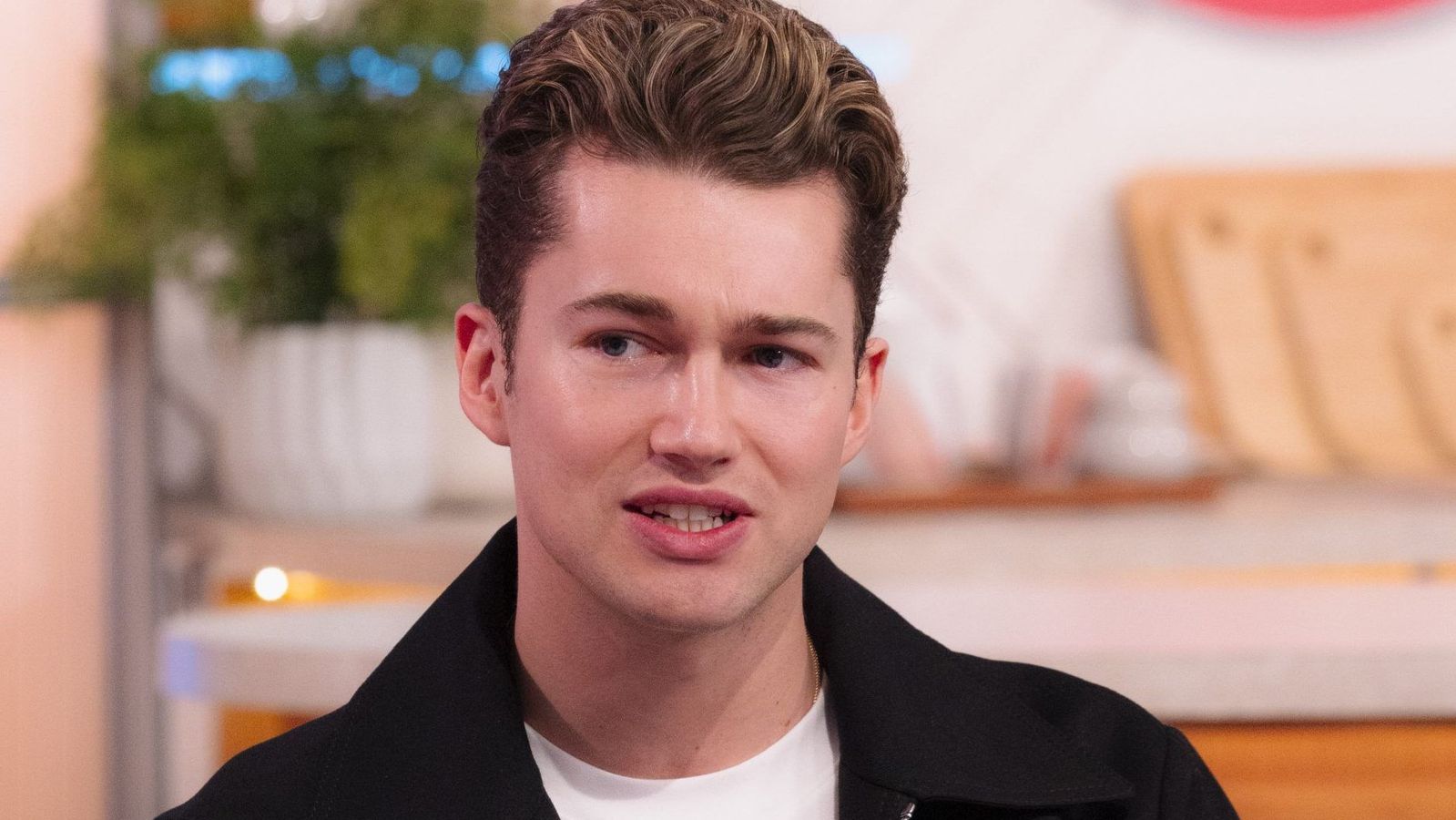
The debate over who should step onto the Strictly stage has turned into a cultural clash that feels more like a courtroom than a dance floor. When AJ Pritchard declared he’d love to see more British dancers on the show, he didn’t just stir the pot; he lit a fire under the already volatile mix of national pride and global representation that Strictly has cultivated for years. The backlash, led by former pro Karen Hauer, is a reminder that the show’s identity is still very much a living, breathing entity that fans and insiders alike feel deeply about.
Pritchard’s comment came as he appeared on The Next Pro, a U.S. Reality dance series that could catapult him into Dancing with the Stars. By suggesting that the Strictly roster should lean more heavily on British talent, he implicitly questioned the value of the show’s multicultural ethos. The move is not just a personal preference; it’s a political statement that threatens to alienate a segment of the audience that has long celebrated the diversity of the cast. In a country where representation matters, this stance risks eroding the very fabric that keeps Strictly relevant.
Hauer, a Venezuelan dancer who held the record as the longest‑serving female pro on the show, countered with a sharp reminder: “As an immigrant, I’ve worked everywhere, and I think that our world right now is about seeing different things.” Her words echo a broader truth that Strictly has always embodieddance is a universal language that thrives on cross‑cultural exchange. By calling Pritchard’s remark “a little bit low,” she underscored the danger of narrowing a global platform to a single nationality. Her stance is not merely defensive; it’s an assertion that the show’s beauty lies in its diversity, not its homogeneity.
The controversy is further complicated by Oti Mabuse’s own warning about Pritchard’s future on the show. Mabuse, a glitter‑ball champion, has repeatedly criticized Pritchard for his intense training methods and has now hinted that his public reputation could be irreparably damaged. Her caution is not just about Pritchard’s personal brand; it’s about the integrity of the Strictly community. If a pro’s conduct threatens the show’s reputation, the entire brand is at risk. Mabuse’s warning signals that the industry is becoming more vigilant about the public personas of its stars, especially those who cross borders.
Hauer’s reference to the U.S. And the notion that “we’re all immigrants” is a powerful rebuttal to Pritchard’s narrow focus. It flips the script: instead of a single nation owning the dance floor, every participant is a migrant of talent, bringing their own stories to the stage. This narrative is not just a defense; it’s a call to action for aspiring dancers everywhere to audition, to bring their unique styles, and to enrich the show’s tapestry. It also signals that Strictly is not just a British export; it’s a global brand that thrives on inclusivity.
Within the next season, I predict that the producers will double down on their multicultural lineup, perhaps even adding more international pros to appease fans who feel the show is drifting too nationalistic. If Pritchard’s comments were meant to spark a shift, the backlash will likely force a re‑affirmation of Strictly’s original ethos: a celebration of dance that transcends borders.
The debate may have started over a single tweet, but it has revealed a deeper tension in the entertainment world: the struggle between national pride and global inclusivity. The outcome will shape not just the next Strictly season, but the future of dance television worldwide.


