News
Fans have been calling this Strictly star 'unlikeable', I couldn't disagree more
Jaime Winstone’s recent tumble into the Strictly bottom two feels less like a misstep on the dance floor and more like a societal misreading.
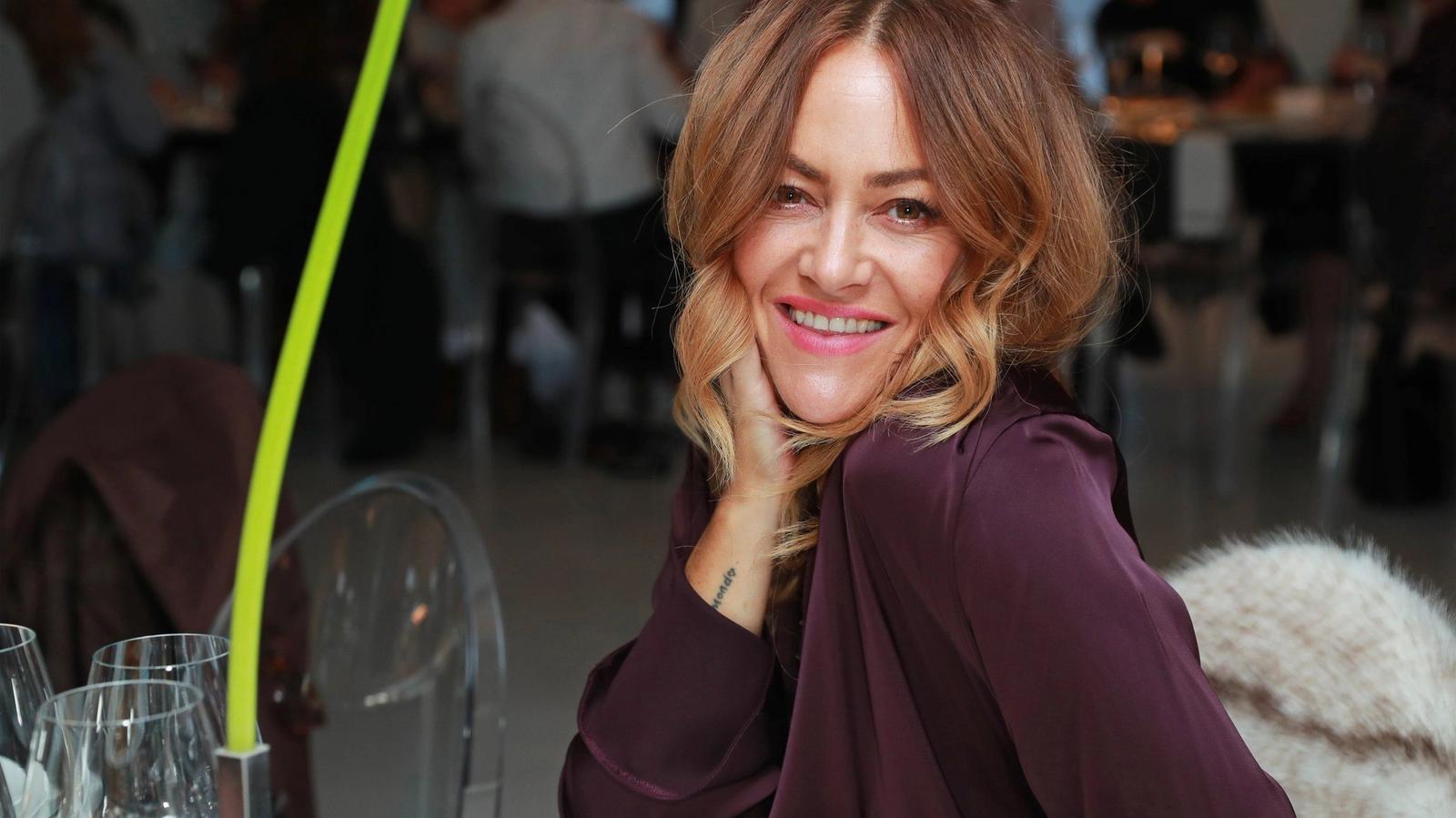
Jaime Winstone’s recent tumble into the Strictly bottom two feels less like a misstep on the dance floor and more like a societal misreading. The audience that should cheer her raw energy is instead whispering “unlikeable,” a slur that drips with gendered bias. The stakes are real: a young actress‑turned‑dancer who has poured every ounce of her craft into the show is suddenly being cast as a character in a public debate about likability, not talent.
The night’s highlight was a Viennese waltz to INXS’s “Never Tear Us Apart.” Jaime and her partner, reigning champion Carlos Gu, delivered a performance that “was genuinely quite breathtaking and by far one of the best” of a largely lacklustre evening. Yet, despite the judges’ praise, the public vote slipped her into the bottom two. The paradox is stark: a dance that critics called “one of the best” of the season cannot escape a public that labels her “unlikeable.” The mismatch between expert appraisal and popular opinion hints at something deeper than mere choreography.
The word “unlikeable” is not a neutral descriptor; it carries an undercurrent of misogyny. The article draws a parallel to the backlash against Anne Hathaway, where fans coined “Hathahate” to dismiss a celebrated actress with no scandal. Men rarely face the same ad hominem attacks; if they’re disliked, it’s usually for actions. Jaime’s case is a textbook example of how society weaponises personal dislike against women who defy conventional expectationshere, a woman who “has a natural love for the dance floor, the music and, as an actress, the drama.” Her intensity and campness, traits that should be celebrated, are being twisted into a negative.
Strictly’s format relies on a blend of judges’ scores and public votes. When a contestant’s artistry clashes with the audience’s taste, the show becomes a battleground for cultural values. Jaime’s “camp, fabulous, determined” persona may challenge the traditional, polished image of Strictly stars. Yet, the audience’s refusal to align with her suggests an entrenched preference for the familiar. In a country that celebrates diversity, it is disconcerting that a performer who embodies a fearless blend of dance and drama is met with hostility rather than applause.
For Nigerian creators, Jaime’s experience is a cautionary tale. In Lagos and beyond, talent is often judged through a lens of marketability. A bold, unapologetic persona can be a double-edged sword: it may attract niche audiences while alienating mainstream fans. The “unlikeable” backlash reminds us that authenticity can provoke resistance. Yet, it also underscores the need for platforms that reward genuine artistry over conformity. If we want to nurture the next generation of performers, we must champion those who dare to be different.
I predict that the next season will see a gradual shift. As viewers become more aware of the gendered nature of criticism, the “unlikeable” label will lose its bite. Social media campaigns highlighting misogyny in fandoms will pressure producers to educate audiences. Consequently, performers like Jaime will find a more receptive voting base, and the public vote will start reflecting artistic merit rather than personal bias.
Jaime’s fall into the bottom two is not a fair assessment of her skill. It is a reflection of a broader societal reluctance to accept women who break the mold. If we want Strictlyand the wider entertainment industryto evolve, we must confront the uncomfortable truth that “likability” is often a proxy for conformity. Only then can talent truly shine, unfiltered by the shackles of gendered prejudice.


