News
From $900 Million to Rock Bottom: How Reese Witherspoon's Hello Sunshine Cratered After Candle Media's Big Bet | Analysis
Reese Witherspoon’s Hello Sunshine once glittered on the skyline of Hollywood’s media landscape.
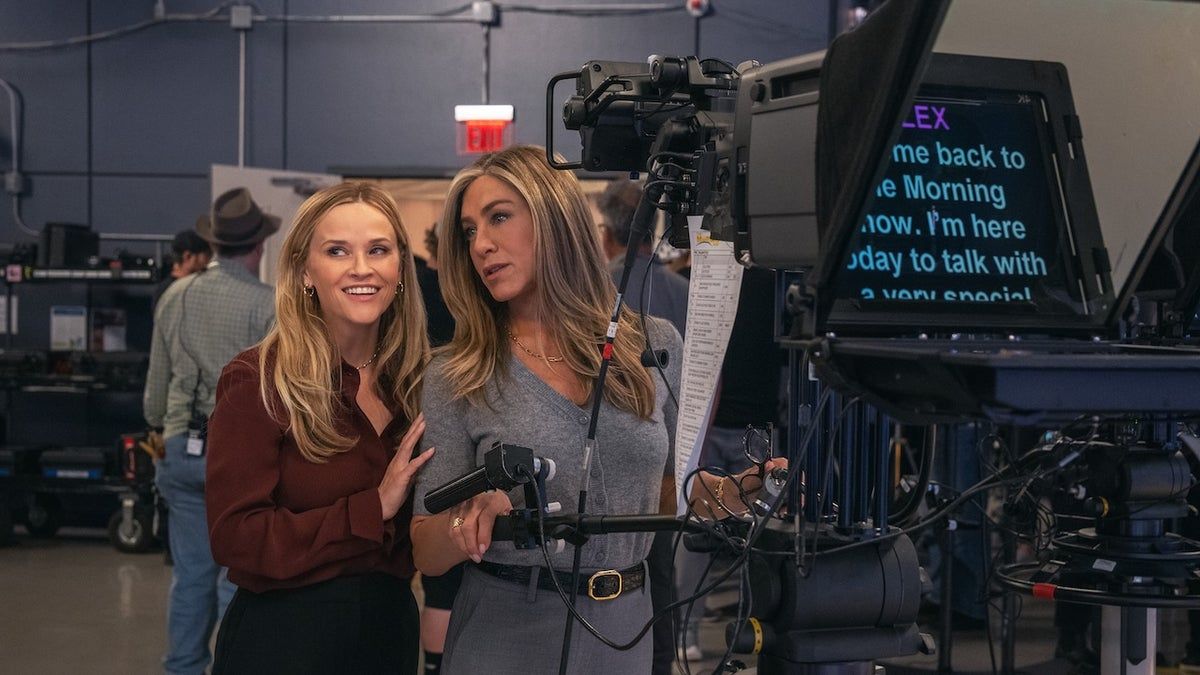
Reese Witherspoon’s Hello Sunshine once glittered on the skyline of Hollywood’s media landscape. In 2021, two former Disney executives, Tom Staggs and Kevin Mayer, stepped into the picture, buying a majority stake for a headline‑making $900 million. The deal was a bold bet on a celebrity‑led brand that promised to turn a book club into a media juggernaut. Five years later, the company is being sold back to Witherspoon for a price that could be as low as $50 milliona staggering fall of up to 94 percent from its peak valuation.
When the Hello Sunshine story first broke, the narrative was simple: a star‑powered platform could harness the enthusiasm of millions of book lovers. Witherspoon’s Book Club, launched in 2017, had already amassed 6.2 million members. The idea was that her name alone would pull fans into a broader ecosystem of films, television, and consumer products. The founders, Staggs and Mayer, were confident. “This is a new‑fashioned model that we’re pursuing,” Mayer told TheWrap, insisting that this would become the standard for future media companies. The expectation was that the book club’s reach would translate into direct‑to‑consumer subscription revenue, a key growth lever for the company.
The optimism that greeted the purchase soon met the realities of a turbulent industry. Hollywood’s dual labor strikes in 2023, a pullback in studio spending, and a decline in advertising all conspired to stall Hello Sunshine’s momentum. More importantly, the company’s core revenue streamdirect‑to‑consumer subscriptionsfailed to gain traction. In an interview, insiders revealed that Witherspoon herself was less inclined to push that business model, preferring instead to focus on creative projects like the Apple TV series The Morning Show, in which she also stars. The vision of a celebrity‑led fan base driving a subscription engine did not materialize as expected.
In the end, the sale back to Witherspoon was negotiated through a partnership with French media conglomerate Mediawan. While the exact terms remain confidential, estimates suggest a deal in the “low to mid eight figures,” roughly $50 million. Whether this figure represents a stake or the full value of Hello Sunshine, it is a fraction of the $900 million valuation that Staggs and Mayer once paid. The loss underscores the risk of tying a company’s worth to a single personality, even one as influential as Witherspoon.
From a writer’s eye, this saga feels like a cautionary tale about the limits of star power in a rapidly changing media economy. The initial hype hinged on the assumption that a fan base for books could be effortlessly converted into a profitable subscription service. Yet the market dynamicslabor disputes, advertising downturns, and shifting consumer habitsremained largely outside the control of the founders and the star. The story reminds us that while celebrity can open doors, sustainable growth demands a diversified strategy that adapts to external pressures.
In the coming months, Hello Sunshine’s future will hinge on whether Witherspoon can re‑ignite the brand’s original promise or pivot to new revenue streams. The industry will watch closely to see if the company can recover from a 94 percent devaluation or if it will become a footnote in the annals of media missteps. The next chapter may well redefine what it means to build a media empire around a single name.


