News
From December Launch to National Stage: The Full Story of FutureMakers by NASENI
From a single keynote in Abuja to a nation‑wide spotlight, FutureMakers by NASENI has turned a December launch into a cultural phenomenon for Nigeria’s youth.
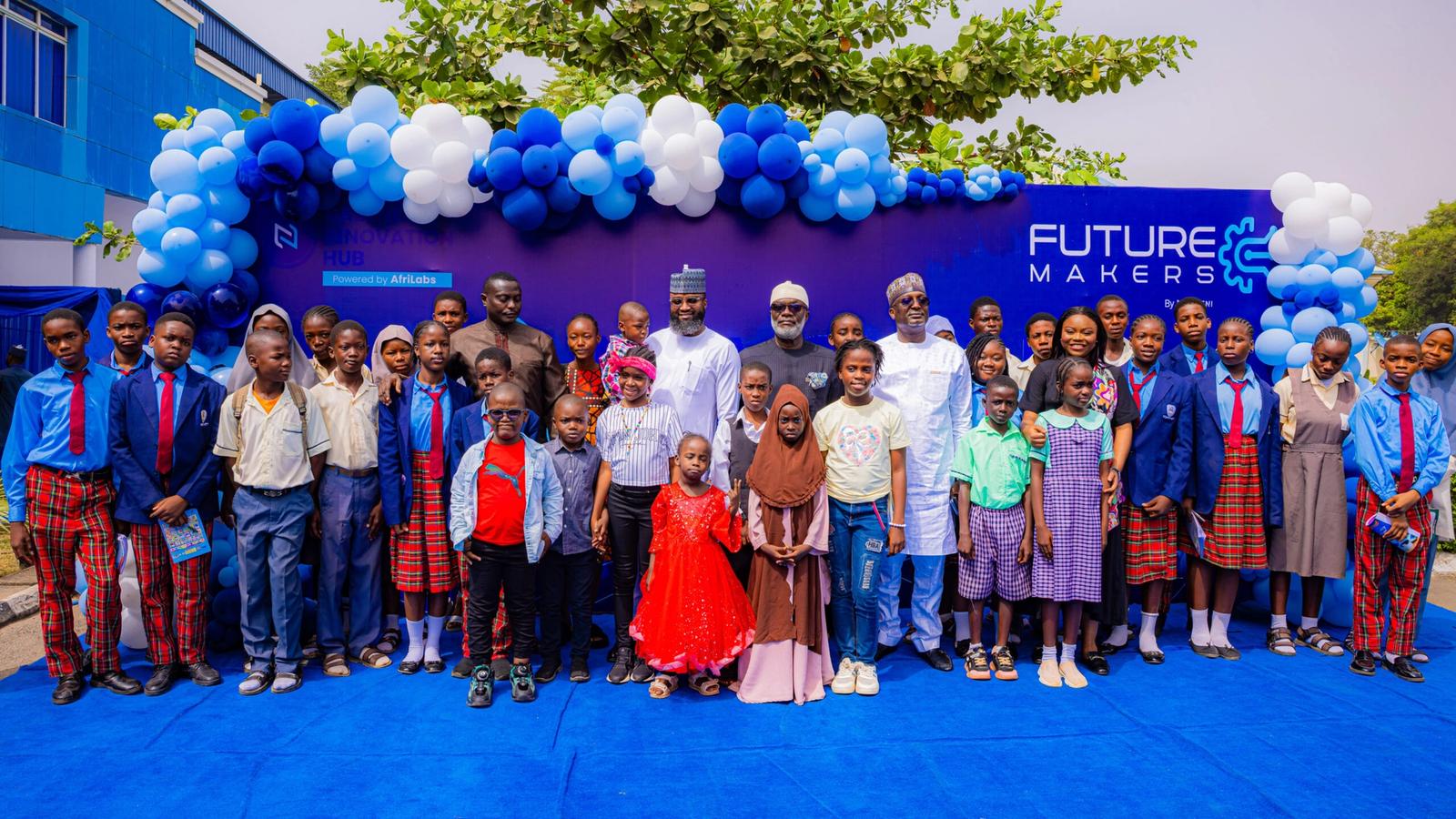
From a single keynote in Abuja to a nation‑wide spotlight, FutureMakers by NASENI has turned a December launch into a cultural phenomenon for Nigeria’s youth. The programme’s real‑world impact is felt by 60 children aged 5‑16 who now have a platform to design solutions for their own communities. Their stories, from the North‑East’s security challenges to the South‑East’s school‑to‑trade dilemma, illustrate how innovation can be rooted in lived experience.
On 11 December 2025, NASENI’s Executive Vice Chairman and CEO, Khalil Suleiman Halilu, declared that “the technological future of Nigeria belongs to its younger generation.” That statement was more than rhetoric; it set a trajectory for a programme that would identify, nurture, and empower young innovators across the country. By selecting 60 childrenten from each geopolitical zoneNASENI shifted the focus from a generic national brief to zone‑specific challenges. This move acknowledges that innovation is not one‑size‑fits‑all; it must address the unique realities of each region.
The build phase began on 17 August 2026 with a four‑day virtual hackathon. All 60 shortlisted innovators, chosen from thousands of entries, worked from home under the guidance of technical facilitators and mentors. The format was deliberately inclusive, ensuring that talent from rural areas and remote towns could participate without the logistical constraints of Abuja or Lagos. By allowing participants to develop prototypes from their own contexts, the hackathon amplified voices that are often marginalized in national dialogues.
The next phase, FutureMakers Week, ran from 24 to 27 August 2026. Each innovator presented their prototype before a panel of judges and industry leaders, streamed live on YouTube, X, Instagram, and Facebook. The public viewership turned a private workshop into a national conversation. “Today, these ideas stop being confined to a whiteboard or a pitch deck,” said Busola Beckley Perez‑Folayan, Hub Manager, NASENI Innovation Hub. Her words capture the essence of the programme: turning nascent ideas into tangible, visible solutions.
Everyone’s praising the scale and ambition of FutureMakers, but the real triumph lies in its focus on youth aged 5 to 16. Conventional wisdom often reserves innovation competitions for university students or seasoned entrepreneurs. By opening the door to children as young as five, NASENI is redefining the pipeline for Nigerian innovation. This approach may seem risky, yet the programme’s structurezone‑specific challenges, virtual accessibility, and public pitchingprovides a safety net that nurtures raw talent without exposing them to the harsh realities of commercial failure.
Given the momentum and the support from industry leaders, I predict that the six finalists who will head to the national grand prize stage will secure funding that propels their projects beyond prototype. The visibility they’ve already gained positions them as future leaders in their respective fields, potentially reshaping Nigeria’s innovation ecosystem within the next decade.
The journey from a December keynote to a national stage is more than a success story; it’s a blueprint for inclusive, community‑driven innovation that could inspire similar programmes across Africa. As NASENI continues to champion these young minds, the next wave of Nigerian innovators will likely emerge from the very communities that once felt overlooked.


