News
Game developers cancel upcoming public demo out of fear of AI copycats
The first time I heard the word Drunken Goddess Reflux it was over a steaming cup of coffee with a fellow indie developer.
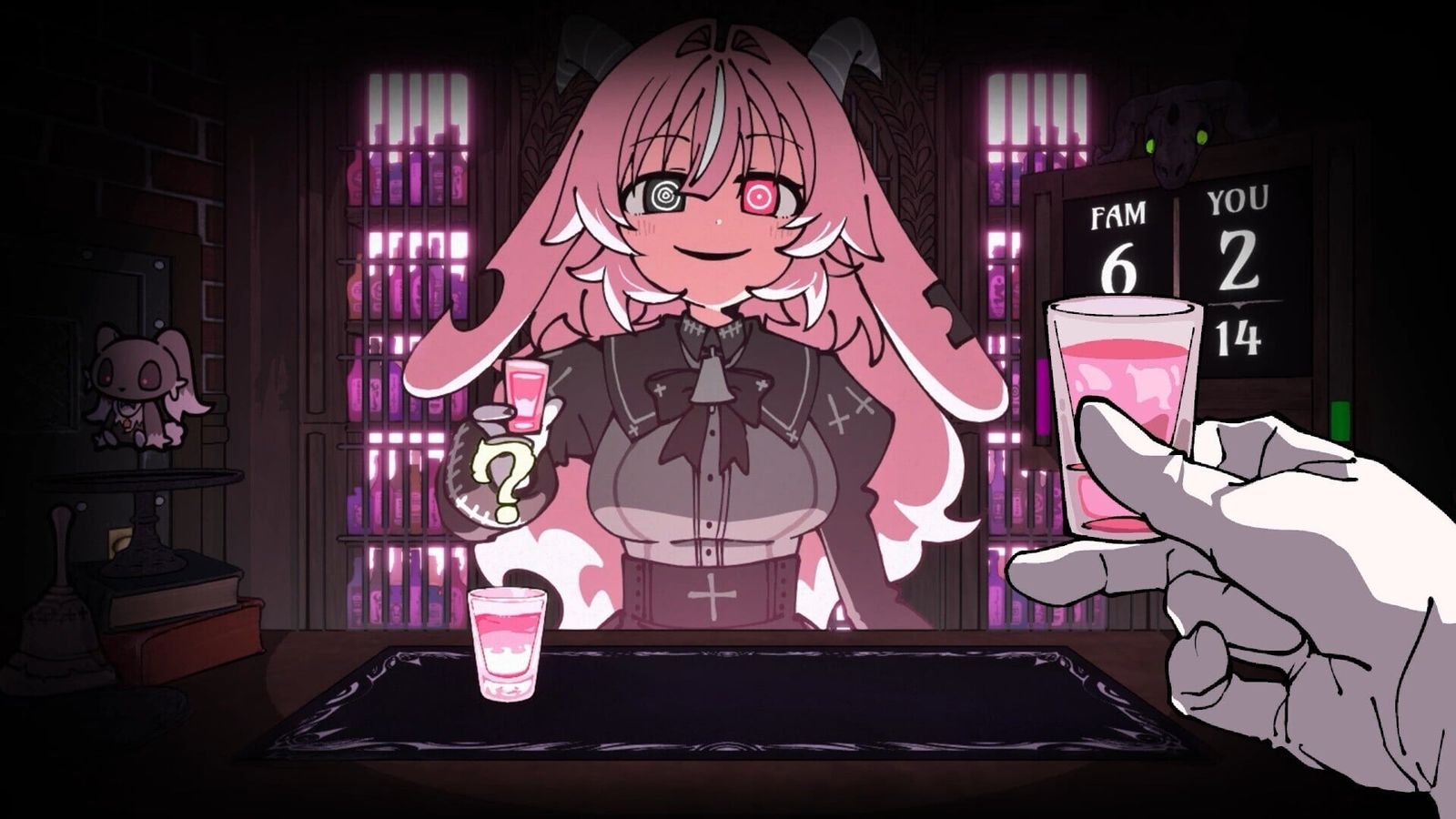
The first time I heard the word Drunken Goddess Reflux it was over a steaming cup of coffee with a fellow indie developer. He described a world where the player drinks until a demon disgorges its soula concept that feels almost impossible for an algorithm to conjure. Yet that very uniqueness, which should have been a shield, became the reason the game’s creators chose to pull their public demo before it even launched.
When Alliance Arts announced a public demo for the Steam release, excitement rippled through the community. Fans imagined a quirky, hand‑crafted experience that would set the indie scene apart. Instead, the team posted a terse note on X, explaining that the demo would be canceled. Their concern was clear: AI tools could replicate the gameplay and visuals so quickly that a copycat could hit the market before the original did. The developers feared that a cloned version could siphon sales and dilute their creative identity.
The decision reflects a broader anxiety gripping the industry. Earlier this year, Kotaku highlighted how AI can produce near‑identical copies of indie titles in a matter of hours. Steam’s catalog is already littered with games that rely on AI for asset generation. In this climate, a single demo can become a blueprint for a competitor. Alliance Arts’ warning that “the demo's content could be used to quickly imitate or replicate the game's presentation and gameplay with AI or other tools” underscores the speed at which these tools operate. A cloned version could launch before the original, confusing consumers and harming revenue.
Rather than shying away from exposure, the studio opted for a controlled approach. They will host closed sessions with a limited number of participants. This strategy preserves the element of surprise while protecting the intellectual property that has been painstakingly crafted. It also sidesteps the challenge of policing live streams, another factor mentioned in their announcement. By keeping the demo in a smaller, vetted circle, the team can maintain the narrative around the game’s launch and ensure that the first experience remains theirs.
This incident is not isolated. The indie scene has long prided itself on originality, but the rise of AI threatens that ethos. Developers now face a dilemma: share enough to build hype, yet not enough to give away a blueprint. The decision by Alliance Arts signals a new era where creative control is negotiated against the speed of technology. It also raises questions about how platforms like Steam will adapt to protect small studios from being outpaced by algorithmic replication.
Watching this unfold, I see a microcosm of the tension between innovation and protection that defines modern creative industries. The choice to cancel a demo feels counterintuitive, yet it is a pragmatic response to a reality where a single line of code can spawn a full‑blown copy. It reminds us that the tools we celebrate can also erode the very uniqueness that fuels our passion.
The next step for Alliance Arts will be to release Drunken Goddess Reflux with a launch that feels fresh and unassailable. Whether their guarded approach will set a precedent for other indie developers remains to be seen, but it is clear that the battle over intellectual property in the age of AI is only beginning.


