Tech
Global smartphone market sinks to lowest level in 14 years
The global smartphone market has slipped into a decade‑old low, with shipments falling 20 percent year‑over‑year in the third quarter of 2026.
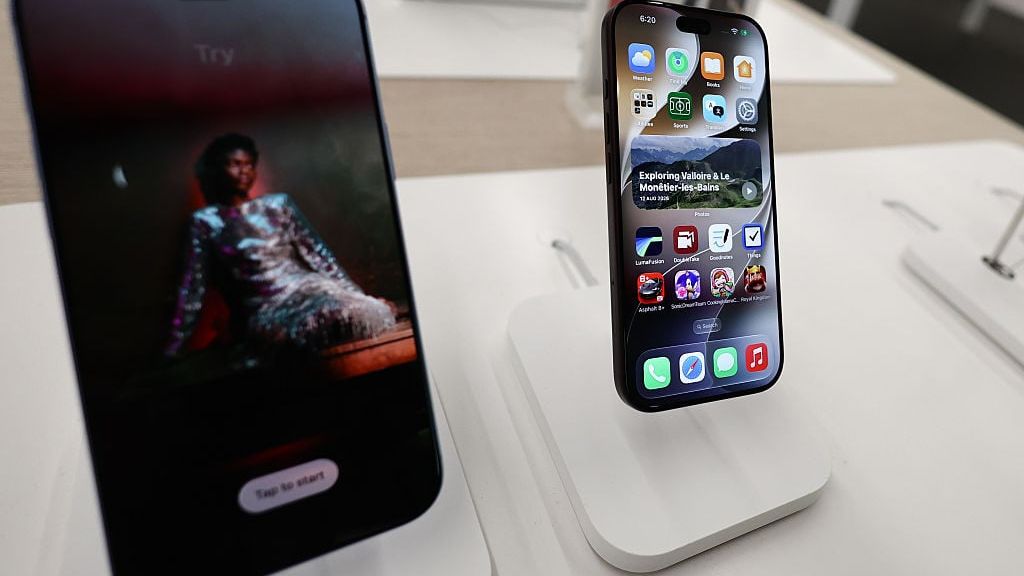
The global smartphone market has slipped into a decade‑old low, with shipments falling 20 percent year‑over‑year in the third quarter of 2026. This drop, the sharpest since 2012, forces consumers to hold onto older devices longer and pushes manufacturers to rethink pricing strategies. The stakes are high for every stakeholder: consumers face higher prices, brands must adjust supply chains, and investors watch for shifts in market dominance.
Memory costs have surged relentlessly, a trend that Counterpoint pinpoints as the primary culprit behind the slump. As DRAM and NAND prices climb, manufacturers such as Samsung and Apple are compelled to raise retail prices by 20 percent. The cost burden is not evenly spread; premium models absorb more of the hike, while mid‑range devices struggle to maintain margins. This price inflation discourages new purchases, especially among price‑sensitive segments, and accelerates the cycle of device retention.
With smartphones becoming pricier, buyers are opting to extend the life of their current phones. The data show a clear trend: older models remain in circulation longer, and consumers are prioritising high‑end devices over mid‑range alternatives. This behavioural shift indicates a market where brand loyalty and perceived value outweigh the allure of new features. For manufacturers, it means a potential plateau in demand for mid‑tier devices and a need to justify premium pricing through innovation and ecosystem integration.
Despite the overall downturn, Samsung has managed to increase its market share to 23 percent. The company’s steady demand for the Galaxy A‑series, coupled with robust sales of the Galaxy Z Fold 8, demonstrates a successful balance between affordability and flagship appeal. Samsung’s ability to maintain a diverse portfolio allows it to capture consumers across price points, mitigating the impact of memory cost inflation. This strategy suggests that a well‑segmented product line can weather commodity price shocks better than a narrower focus on premium devices alone.
Apple’s situation is more nuanced. While shipments fell 22 percent year‑over‑year, the company’s market share actually rose. Counterpoint attributes this to the absence of a base iPhone 18 model in September, a launch that is expected in early 2027. The delay has likely compressed the sales window for the current iPhone line, pushing consumers to purchase later or hold onto older models. Nevertheless, Apple’s brand equity and ecosystem lock‑in have kept demand steady enough to preserve its share. This indicates that, even in a price‑sensitive environment, a strong brand can sustain market position.
The smartphone slump mirrors a larger cultural shift towards “slow tech,” where longevity and sustainability become selling points. As memory prices rise and consumer patience wanes, brands are increasingly highlighting repairability, modularity, and software support longevity. This trend is already visible in Samsung’s extended warranty offers and Apple’s commitment to longer iOS update cycles. The movement could redefine value propositions, moving away from frequent upgrades toward durable, high‑quality devices.
Looking ahead, I foresee a surge in mid‑range innovation as manufacturers pivot to offer more compelling features without escalating costs. Samsung’s Galaxy A‑series will likely receive incremental upgrades in camera and battery technology, while Apple may introduce a more affordable iPhone variant to bridge the gap left by the delayed iPhone 18 launch. If memory prices stabilize, we could see a rebound in shipments, but only if brands can deliver tangible value that justifies the higher price tags.
The smartphone market’s current contraction is a wake‑up call for manufacturers to rethink pricing, product segmentation, and sustainability. As consumers grow more price‑aware and environmentally conscious, the next wave of innovation will hinge on delivering longevity and value, not just flash and novelty.