News
Grace Campbell: 'I had sex just outside the Vatican'
Grace Campbell stood on the pavement outside the Vatican’s marble gates, the city’s ancient stones echoing the hum of tourists.
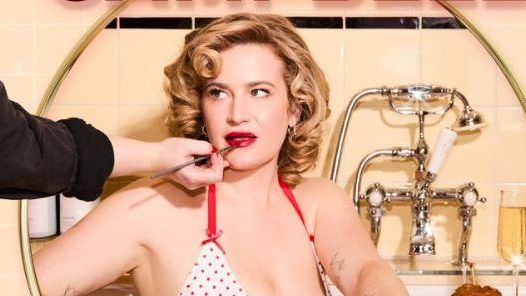
Grace Campbell stood on the pavement outside the Vatican’s marble gates, the city’s ancient stones echoing the hum of tourists. A breath of crisp air carried the scent of espresso and the distant call of street vendors. She was there not for pilgrimage but for a moment of candid self‑reflection that would later become the backbone of her stand‑up set. The memory of that day, when she admitted to having sex just outside the Vatican, would later be woven into her comedy, turning a personal anecdote into a broader commentary on modern intimacy and faith.
At twenty‑four, Grace stepped onto the stage in Edinburgh, clutching a notebook filled with jokes and a nervous heartbeat that matched the applause of a tiny audience. She had only two people in the front row: her best friends. The rest of the room was empty, a silent testament to the courage it takes to perform when the world feels like a stage of its own. That night, the laughter that bubbled up was raw and unfiltered, a signal that her voice was ready to cut through the noise of the comedy circuit.
Her father, Alastair Campbell, the former Labour spin doctor and Tony Blair’s right‑hand man, had long been a figure of controversy. When Grace first addressed the “nepo baby” label, she did so with a mix of humor and honesty. “I had to acknowledge it,” she said. “I was 24 when I first ever performed at Edinburgh so what else did I have to talk about? I had no other life experience at that point.” Her willingness to own the narrative turned what could have been a hurdle into a platform for authenticity.
While Grace was carving her niche, Alastair Campbell was reinventing himself. No longer the cut‑throat voice in the Prime Minister’s ear, he was now the gentle, rational commentator on politics, co‑hosting The Rest Is Politics with Rory Stewart. The show became the most‑listened‑to podcast in the UK, attracting a younger audience that found his voice surprisingly relatable. “It’s so weird. Teenagers love him,” Grace laughed, highlighting the generational shift in how political discourse is consumed.
The confidence that bloomed from that first small audience led to a rapid rise. Her second gig was a competition, and the stakes were higher: the winner would advance to a larger show. The night before, she had a few too many drinks, a decision she would later regret. “I poured a glass of wine on them,” she recounted, a moment that underscored the fine line between bravado and self‑respect. That incident became a running joke in her set, a reminder that even rising stars stumble.
Her latest tour, The Lady Is a Tramp, delves into the complexities of being a Millennial woman. The show tackles non‑monogamy, mental health, and the visibility of women online. During the writing process, Grace experienced an abortion, a painful event that reshaped the narrative of the show. She transformed personal grief into a broader conversation about depression and resilience, celebrating the women who supported her through that time. “My dog had come on heat, then I got pregnant, had an abortion and was like, ‘Oh, perfect! The name really does fit the show,’” she jokes, turning a tragic moment into a punchline that resonates with audiences.
Grace Campbell’s journey from a nervous teenager in Edinburgh to a touring comedian who turns intimate experiences into social commentary illustrates the power of vulnerability in comedy. By refusing to shy away from her lineage or her personal struggles, she has carved a space where authenticity triumphs over expectation. As she continues to tour, her story reminds us that the most compelling performances often arise from the honest acknowledgment of our own humanity.


