News
Great Job, Internet!: Wedding Crashing DVDs are uncorking all over Little Free Libraries
The first time a Minneapolis resident walked into a Little Free Library, she didn’t expect to find a pile of Wedding Crashers DVDs tucked behind a stack of Rich Dad, Poor Dad.
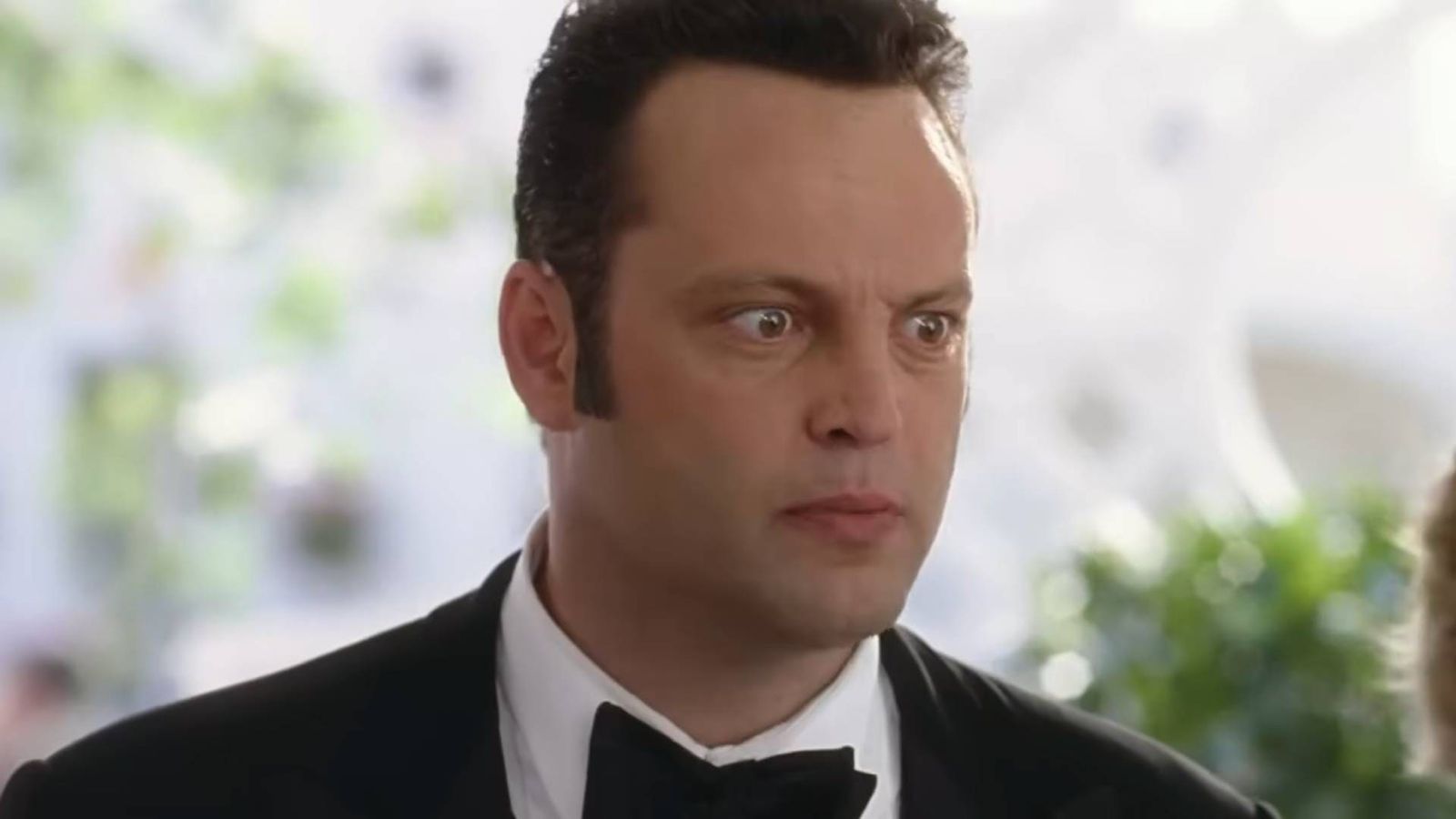
The first time a Minneapolis resident walked into a Little Free Library, she didn’t expect to find a pile of Wedding Crashers DVDs tucked behind a stack of Rich Dad, Poor Dad. The second time, she was reminded that the city’s public shelves can double as an impromptu comedy club, a queer art installation, and a community balm. Sable Adelaide, a Minnesotan with a penchant for collecting cheap DVDs, turned 1,200 copies of the Owen Wilson‑Vince Vaughn romp into a public‑service campaign that has sparked both laughter and debate across local Facebook groups and TikTok threads. Why does a pile of comedy discs matter? Because in a neighbourhood that has weathered economic shifts, gentrification, and the COVID‑19 pandemic, a sudden, free dose of humor can act as a social lubricant, easing tensions and reminding residents that joy is still accessible.
Adelaide’s mission began as a joke: a box of Wedding Crashers discs bought for less than $7. From there, the collection grew into a 1,200‑piece library that she began placing in every Little Free Library she could find. She documented the process on her website, noting that the film “has been described as a prank, but I see it as 100 % queer art.” The act of stuffing public libraries with a single movie is, on its surface, a subversive prank. Yet Adelaide frames it as an act of generosity, a way to “give back to the community.” The DVDs, once hidden behind other books, become a surprise for anyone looking for The Bible or Rich Dad, Poor Dad. The act is a reminder that the public sphere can be repurposed for collective enjoyment, even if that enjoyment comes from a pop‑culture staple.
Adelaide’s first public screening of Wedding Crashersthe film she had never seen beforewas a “big trans joy event,” drawing attendees in wedding gear and cross‑dressed in various styles. The choice of a mainstream comedy for a queer gathering is deliberate. It signals that queer spaces need not be confined to niche venues; they can exist in everyday settings like Little Free Libraries. By turning a widely known film into a queer-friendly event, Adelaide challenges the idea that queer culture must be separate from the mainstream. It also underscores how the Midwest, often perceived as conservative, can host inclusive, playful moments that defy stereotypes.
When the DVDs appeared in local libraries, the reaction was immediate. TikTok commenters noted that the “meatloaf” of the filmpresumably a meme referencewas sending local Facebook groups into a frenzy. Some saw Adelaide’s stunt as a harmless prank; others celebrated it as a creative act of community building. The fact that a single Polish man donated 40 to 70 copies through her PO Box shows that the initiative resonated beyond Minneapolis, attracting donors from afar. Adelaide’s candid admission that she feels bad for whoever now has her PO Box adds a layer of humility to the narrative, reminding readers that even well‑meaning projects can have unintended consequences.
In a city that has faced gentrification pressures and a pandemic‑induced isolation, Adelaide’s DVDs offer more than a laugh. They provide a tangible reminder that shared humor can bridge divides. The act of placing a comedy in a place where people expect self‑help or religious texts subtly rewrites the narrative of what community resources should look like. It signals that the city’s residents can find solace not only in traditional support systems but also in unexpected, joyous encounters. Adelaide’s project proves that pop culture, when repurposed thoughtfully, can serve as a therapeutic toolan antidote to the gloom that has settled over many neighbourhoods.
If this trend continues, we may see other communities adopting similar guerrilla art installations in public spaces. The next wave could involve local artists distributing free copies of indie films, documentaries, or even culturally significant music compilations. By leveraging the accessibility of Little Free Libraries, these projects could create a national network of spontaneous, community‑driven cultural exchanges. I predict that within the next year, the concept of “free‑to‑take” cultural artefacts will become a staple in urban planning discussions, especially in cities looking to rebuild social cohesion post‑pandemic.
The story of Wedding Crashers in Minneapolis is more than a quirky anecdote; it is a blueprint for how ordinary objects can become extraordinary tools for community engagement. Adelaide’s initiative reminds us that joy can be found in the most unexpected placesand that sometimes, the best way to heal a community is to give it a good laugh.


