News
GTA 6 follow-up will be sooner than you think confirms Rockstar
The first rumour‑filled morning after the press conference, a line of reporters crowded the glass‑paneed foyer of Rockstar’s London office, phones poised, pens ready.
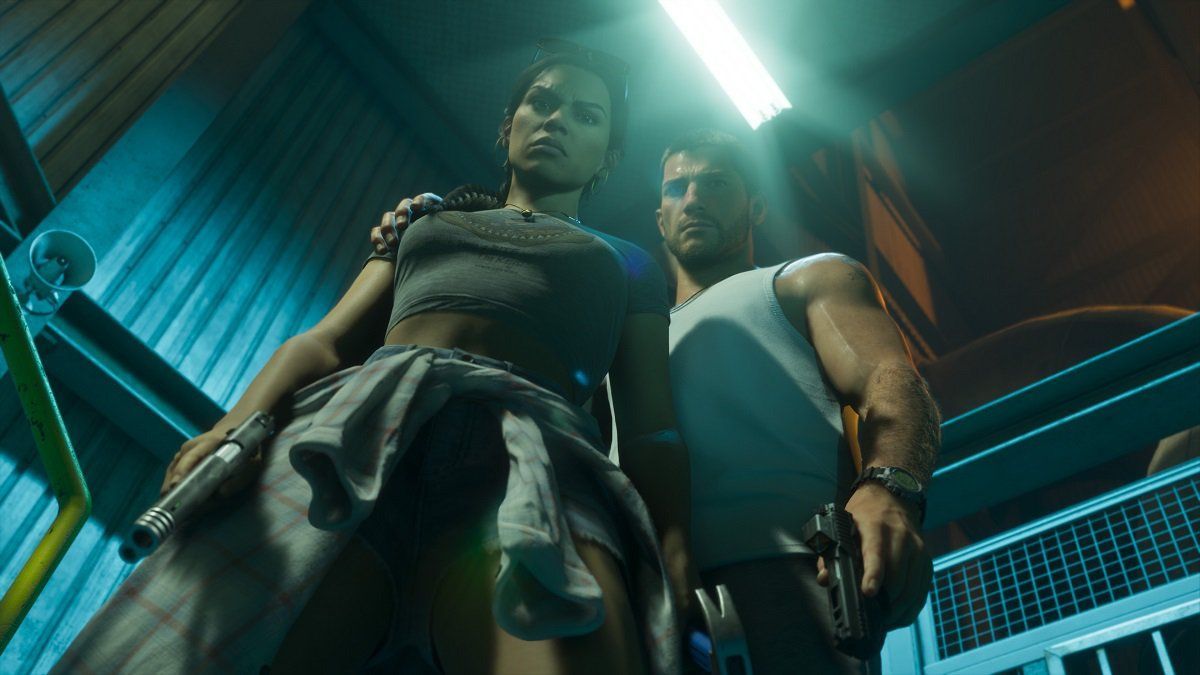
The first rumour‑filled morning after the press conference, a line of reporters crowded the glass‑paneed foyer of Rockstar’s London office, phones poised, pens ready. Phil Hooker, head of development, stepped onto the stage and, with a calm confidence, said the studio would not wait another eight years for its next big title. The room, thick with anticipation, held its breath as he explained that the engine, tools, and team birthed during GTA 6 would now be the foundation for future projects.
Hooker’s words carried more than a promise; they hinted at a shift in Rockstar’s creative rhythm. “The engine, the tools, and the team we’ve built during this project will allow us to do things more quickly,” he told Bloomberg. The implication was clear: the next gamewhether an expansion or a new IPwould emerge sooner than the industry’s eight‑year cycle.
When Rockstar released Red Dead Redemption 2 in 2018, it felt like the end of an era. Now, the same engine that powered that western saga is being repurposed for a new venture. The studio’s own comments suggest that the groundwork laid for GTA 6the sprawling cityscape, the dynamic weather, the physics enginewill be carried forward. This reuse of core technology mirrors the transition from GTA 3 to GTA: Vice City, where the same engine and many assets were re‑used, leading to a fresh yet familiar experience.
Beyond the engine talk, whispers have floated that Rockstar might revive the mystery‑drama of L.A. Noire. While no official confirmation has surfaced, the speculation adds a layer of intrigue. If Rockstar does indeed craft a sequel, it would represent a notable step away from the open‑world formula that has defined its recent successes.
The path to GTA 6 was not without its bumps. Initially slated for 2025, the launch was pushed to May 2026 and then to November 19, 2026. Jennifer Kolbe, studio director, recalled Take‑Two CEO Strauss Zelnick’s reaction to the second delay: “You’re kidding. Please tell me you’re kidding. But once we talked through why, he got it.” Kolbe’s recollection underscores the delicate balance between creative ambition and business expectations.
Hooker’s mention of “going more sideways than upwards” speaks to Rockstar’s ambition to broaden its storytelling horizons. The studio is not just looking to create another open‑world title; it aims to deliver compelling content that can be expanded, adapted, or spun into new narratives. This strategy could mean a standalone title in the vein of Vice City, a DLC that isn’t a direct sequel, or an entirely different genre built on the same technical core.
As a writer who follows the pulse of the creator economy, I see this as a turning point for Rockstar. The company’s willingness to share its internal timelines and the transparency about its developmental process signal a shift toward a more collaborative relationship with its audience.
Looking ahead, the next major releasewhether a GTA 6 expansion, a L.A. Noire sequel, or a fresh IPcould arrive as early as next year. The studio’s confidence in its new foundation suggests that the next chapter will be written faster, perhaps with a different narrative focus, but still rooted in the same meticulous craftsmanship that has earned Rockstar its reputation.


